
Nanotech 2025: Tiny Tech, Big Impact
Nanotechnology in 2025 is revolutionizing medicine, electronics, and energy with microscopic innovations that drive massive change.
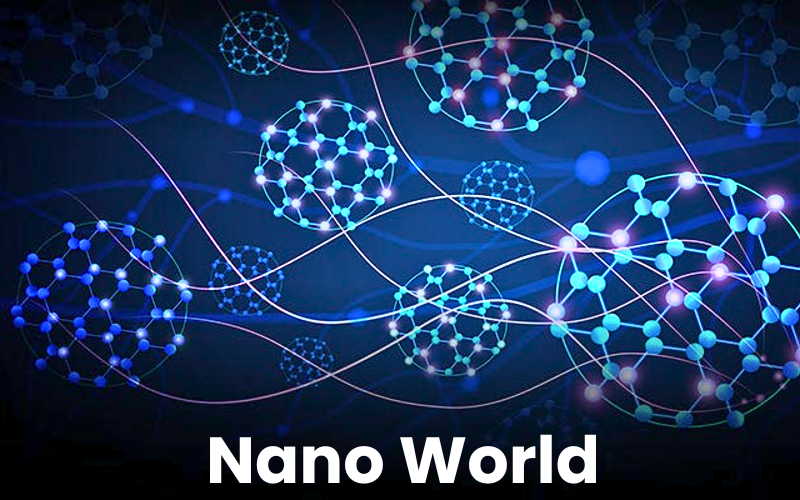
In 2025, a silent revolution is happening at the smallest scale imaginable. We’re talking about nanotechnology — the manipulation of matter at an atomic or molecular scale. While still in its developmental stages, nanotech is now reshaping industries as diverse as healthcare, energy, manufacturing, and even environmental sustainability.
Ever wondered how Iron Man’s suit assembles around him at lightning speed? That’s the kind of nanotech-inspired future we're heading toward. While we may not yet have superhero suits, nanotechnology is making incredible strides, and its impact is already visible in ways we could have never predicted just a few years ago.
🧬 What Is Nanotechnology?
Nanotechnology refers to the science of working with materials at the nanoscale — typically between 1 and 100 nanometers (1 nanometer is a billionth of a meter). This scale allows scientists to manipulate atoms and molecules with exceptional precision, enabling the creation of materials and devices with extraordinary properties.- Nanoparticles can exhibit unique behaviors compared to bulk materials, such as increased strength, improved chemical reactivity, or enhanced electrical properties.
- The power of nanotech lies in its ability to engineer materials with novel properties, which can be tailored for specific functions.
🕰️ A Quick History of Nanotechnology
- 1981: The invention of the Scanning Tunneling Microscope allowed scientists to visualize atoms, marking a milestone in nanotechnology.
- 1985: Discovery of fullerenes (carbon molecules) introduced the concept of carbon-based nanomaterials.
- 1986: Eric Drexler’s book, Engines of Creation, popularized nanotechnology and its potential applications.
- 2000s: As governments began funding nanotech research, debates on its risks and ethical concerns began to surface.
- 2020s: We saw rapid commercialization of nanotechnology in industries like medicine, energy, and material science. By 2025, the scale of these breakthroughs is truly transformative.
🚀 Nanotech Breakthroughs in 2025
💉 Medicine: Revolutionizing Healthcare
Nanotechnology is already making its presence felt in the medical field. From drug delivery systems to early detection tools, it’s providing solutions that were previously science fiction.- Targeted drug delivery: Nanodevices now deliver medications directly to tumor cells or infected areas, ensuring the drugs don’t harm healthy tissue. This is a game-changer for cancer treatments and autoimmune diseases.
- Nanobots in surgery: Tiny machines capable of performing precision surgery without the need for invasive procedures. These nanobots could enter the body to clear blockages, repair cells, or deliver medication on a molecular level.
- Nano-based diagnostics: Nanotech is being used to detect biomarkers of diseases (e.g., cancer, Alzheimer's) in blood or saliva, enabling earlier diagnosis and better prognostic outcomes.
- Nanomedicine: Using nanoparticles as drug carriers to increase the bioavailability and targeted action of medications, reducing side effects.
🧪 Smart Materials: Changing Everyday Products
Nanotechnology is enabling the development of smart materials that can revolutionize not just industrial applications but everyday consumer products.- Self-healing materials: Nanomaterials with self-repairing properties are now being used in electronics, fabrics, and automobiles. These materials can detect damage and fix themselves without human intervention.
- Nanocoatings: Superhydrophobic and self-cleaning coatings are used on surfaces like windows, cars, and clothing to resist dirt, water, and scratches. This makes products more durable and maintenance-free.
- Flexible electronics: Wearable tech is becoming smarter, lighter, and more efficient, thanks to flexible nanomaterials. From health-monitoring devices to smart clothing, these innovations are driving the future of wearable technologies.
🌱 Sustainable Energy Solutions: A Cleaner Future
Nanotech is a driving force behind cleaner, more efficient energy systems, which are key to addressing the global energy crisis and climate change.- Nanostructured solar cells: Nanotech-based solar cells can capture more energy from the sun and are cheaper and more efficient than traditional silicon-based cells. In 2025, nanotechnology in solar power is setting the stage for widespread, affordable solar energy.
- Thermophotovoltaics: Researchers have created nano-structured devices that harvest infrared radiation, even in the dark. These devices can generate clean energy with far higher efficiency than traditional solar cells.
- Nano batteries: Solid-state lithium-glass batteries are under development, offering faster charging, longer lifespan, and increased storage capacity. These could revolutionize electric vehicles (EVs) and renewable energy storage.
⚙️ Microscopic Manufacturing: The Next Industrial Revolution
The 2020s have seen the rise of nanoscale manufacturing, where 3D printing and nanomaterials enable the creation of microscale devices with unprecedented precision.- Nano-manufacturing: Companies are now using nanoparticle-infused inks to print tiny devices like batteries, sensors, and medical implants. These tiny components could lead to massive advances in fields like healthcare, sensing technology, and electronics.
- Nano-optics: Nanomaterials are enabling new types of optical devices, such as invisible cloaks and super-resolution lenses that could replace traditional optical components in microscopes and cameras.
📱 Real-World Nanotech Gadgets in 2025
Nanotechnology has already given us real-world applications that are changing how we interact with technology. Some of the most exciting gadgets of 2025 include:- Nanorepel coatings: Nanotechnology-based coatings are applied to surfaces like electronics, buildings, and cars to make them resistant to chemicals, wear and tear, and extreme temperatures. For example, phones and laptops are now more scratch-resistant and waterproof.
- Microneedle patches: These patches, which use tiny needles, can painlessly deliver drugs, including vaccines and treatments, through the skin. This technology is revolutionizing how we approach medical treatments and vaccination campaigns.
- Flexible displays: Flexible screens that are lightweight, durable, and can be folded or rolled up. These are used in smartphones, tablets, and even wearable tech like smartwatches and fitness trackers.
🔮 The Future of Nanotechnology: What’s Next?
While we are still far from creating self-replicating nanobots à la science fiction, the real-world advancements we’re witnessing are equally world-changing.Predictions for 2025 and Beyond:
- Energy-harvesting nanomaterials: Nanomaterials that can capture body heat, glucose, or motion and convert them into electricity for devices like wearables or implants. This could make future technologies self-sustaining without needing external charging.
- Smart agriculture: Nano-sensors embedded in soil could monitor water levels, nutrient content, and crop health, allowing for more efficient farming while reducing the use of pesticides and fertilizers.
- Personalized medicine: Nanotechnology could enable real-time, personalized medical treatments based on an individual’s biological profile. For example, nanoparticles might deliver drugs tailored specifically to your genetic makeup, providing the most effective treatment.
🏁 Conclusion: Why Nanotechnology Matters in 2025
In 2025, nanotechnology has transitioned from an experimental science to a foundational technology that is reshaping multiple industries:- Medicine: More personalized, effective, and minimally invasive treatments are being developed.
- Energy: Nanotech is powering cleaner, cheaper, and more sustainable energy solutions.
- Materials: Smarter, stronger, and self-healing materials are creating more durable and efficient products.
- Technology: Devices are getting smaller, faster, and more powerful than ever before.

Comments
Leave a comment Replying to
Comments are reviewed before they appear. Your email is never published.