
Can AI Read Minds? Inside Brain-Computer Tech
Explore the real science behind brain-computer interfaces and how AI is getting closer to understanding human thoughts.
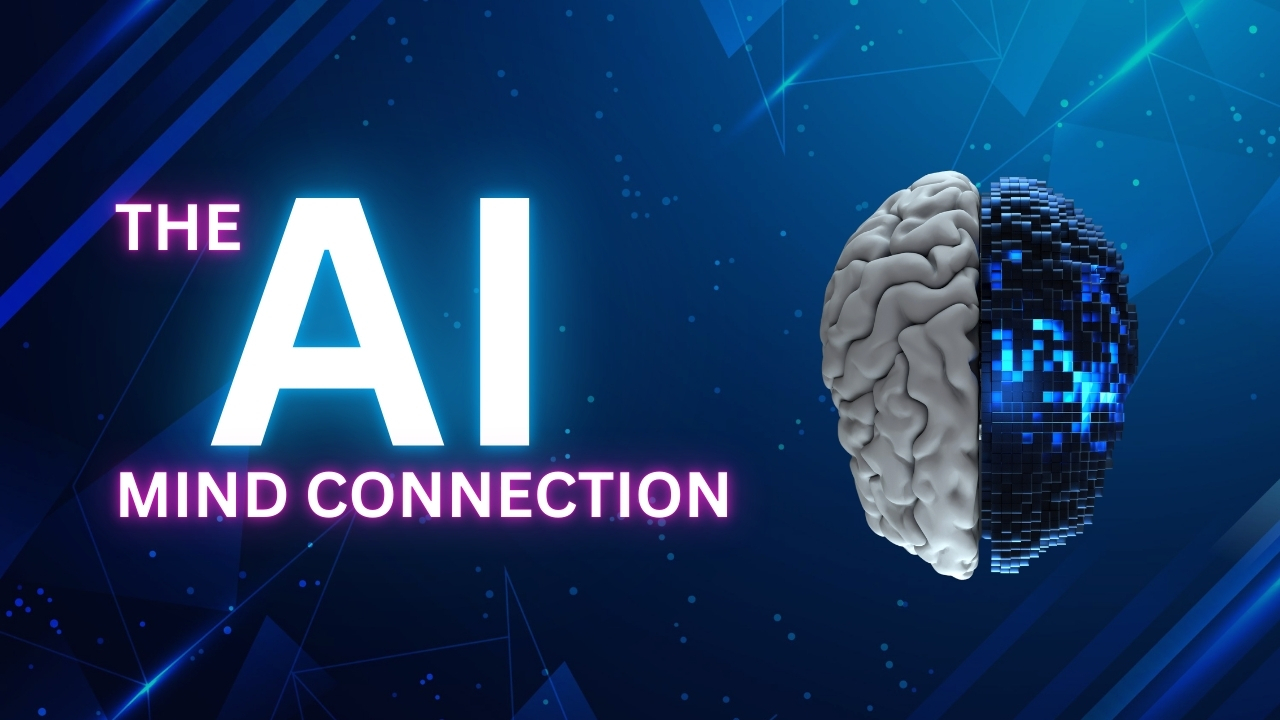
In a world where technology keeps pushing boundaries, one development sounds more like a scene from a sci-fi movie than reality: the ability to control machines using just your thoughts. No hands. No screens. Just your brain. This is not some distant dream. It’s happening now through a rapidly evolving field known as Brain-Computer Interfaces (BCIs). And while it may seem futuristic, it’s built on real science that’s easy to understand—and even more fascinating to explore.
So, what exactly is a BCI, how does it work, and what does it mean for your future? Let’s dive in.
What Is a Brain-Computer Interface?
A Brain-Computer Interface is a system that allows your brain to communicate directly with a computer. Instead of using a keyboard, mouse, or touchscreen, BCIs allow you to control devices simply by thinking. Here’s how it works: Your brain is constantly sending out electrical signals—every time you think, feel, or move. These signals can be picked up by sensors placed on your scalp or, in more advanced versions, implanted inside your skull. The BCI reads those signals, interprets what you're trying to do, and converts them into commands that control a device. It might sound complicated, but the core idea is simple: translate thoughts into action without physical movement.Real-Life Examples You Should Know
This isn’t a theory—it’s already being tested and used. Neuralink, the brainchild of Elon Musk, is one of the most talked-about BCI projects. In 2024, Neuralink successfully implanted its device in a human patient who could move a cursor on a screen with just their mind. That breakthrough isn’t just a tech stunt—it offers real hope for people who’ve lost movement due to injury or disease. Another company, Synchron, has created a device that can be inserted via blood vessels, making it less invasive. It’s already helping patients with paralysis perform tasks like texting or browsing the internet just by thinking. Even in India, research in BCI is gaining momentum. Institutes like IIT Madras and AIIMS are exploring how BCIs could assist in rehabilitation therapy, especially for stroke patients.What Could This Mean for Everyday Life?
The initial applications are medical, but the future reaches much further. Imagine:- Sending a message just by thinking the words
- Controlling your home appliances with your brain
- Playing video games with your thoughts instead of a controller
- Learning new skills by “uploading” knowledge into your brain



Comments
Leave a comment Replying to
Comments are reviewed before they appear. Your email is never published.