
Shampoo Ingredients Guide: What to Know Before You Buy
Discover what shampoo ingredients really do and learn how to choose the right shampoo for your hair type. Avoid sulfates, parabens, and more.
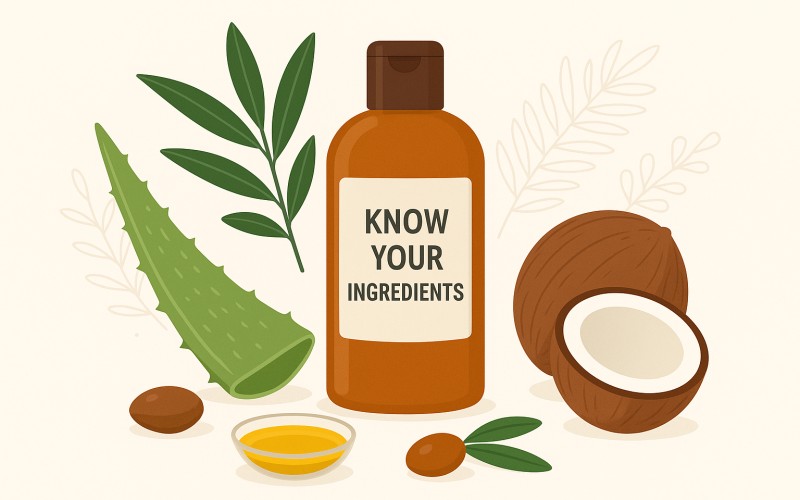
Walking down the hair care aisle can be overwhelming. Rows of shampoo bottles promise shinier, stronger, healthier hair — but with so many options, how do you really know which one is best for you? Understanding shampoo ingredients is the key to choosing the right product for your hair type and needs. In this blog, we break down what’s inside most shampoos, how those ingredients affect your hair, and how to choose the right shampoo without falling for flashy marketing.
Common Shampoo Ingredients and What They Do
Most shampoos include a mix of cleansers, moisturizers, preservatives, and fragrance agents. Here's what each category does — and what to watch out for.
1. Carrying Agents (Water & Alcohol)
These form the base of most shampoos and appear at the top of the ingredient list.
-
Aqua (water): The most common carrier, used to dissolve other ingredients.
-
Alcohols:
-
Bad alcohols (drying): Propanol, ethanol, isopropyl alcohol, and propyl alcohol can strip moisture and make hair brittle.
-
Good alcohols (moisturizing): Cetyl alcohol, stearyl alcohol, Cetearyl alcohol — these help retain moisture and improve softness.
-
2. Surfactants (The Cleaners)
Surfactants are what make shampoo lather — and they do the heavy lifting when it comes to removing oil and dirt.
-
Common surfactants:
-
Sodium lauryl sulfate (SLS)
-
Sodium laureth sulfate (SLES)
-
Ammonium laureth sulfate
-
These are effective but can be harsh and drying, especially for color-treated or curly hair. If you prefer sulfate-free shampoos, look for gentler alternatives like:
-
Sodium cocoyl isethionate
-
Sodium methyl cocoyl taurate
Tip: The more a shampoo foams, the more likely it is to strip your hair’s natural oils.
3. Thickeners
Thickeners make shampoo feel creamy and luxurious but have no effect on hair health.
-
Examples: Stearic acid, xanthan gum, gelatin, cetyl alcohol
These are generally harmless and safe for regular use.
4. Preservatives
Since shampoo contains water, it needs preservatives to prevent bacteria or mold.
-
Common preservatives:
-
Sodium benzoate
-
Potassium sorbate
-
-
Parabens are also widely used but controversial:
-
Methylparaben
-
Propylparaben
-
Butylparaben
-
Some studies have found parabens in cancerous tissues, raising concerns about long-term use. For safety, consider paraben-free shampoos.
5. Emollients & Moisturizers
These ingredients help balance the drying effects of surfactants and protect hair from breakage.
-
Popular emollients:
-
Aloe vera
-
Mineral oils
-
Vegetable oils (like olive or coconut)
-
Silicones (e.g., dimethicone for smoothness and shine)
-
Note: While silicones can make hair appear shiny, they can build up over time. Look for water-soluble silicones or go silicone-free if you prefer a natural finish.
How to Choose the Right Shampoo for Your Hair
When selecting a shampoo, focus on your hair type, scalp condition, and any sensitivities you may have. Here's how to make an informed decision.
1. Choose Based on Hair Type
-
Dry or damaged hair: Look for moisturizing shampoos with glycerin, argan oil, shea butter, or coconut oil.
-
Oily scalp: Use clarifying shampoos with tea tree oil, salicylic acid, or lemon extract.
-
Curly or textured hair: Choose sulfate-free, silicone-free formulas with emollients like jojoba oil or aloe vera.
-
Color-treated hair: Use color-safe, sulfate-free shampoos with UV protection and antioxidants.
2. Avoid Harsh Additives
Look for clean beauty shampoos that avoid:
-
Sulfates
-
Parabens
-
Artificial fragrances
-
Phthalates
-
Harsh alcohols
3. Go Natural When Possible
Natural shampoos use plant-based ingredients that are gentler on the scalp and environment. Look for:
-
Essential oils: Peppermint, lavender, lemon
-
Plant oils: Coconut, jojoba, olive, hemp
-
Botanicals: Chamomile, aloe vera, green tea
-
Certified organic ingredients
4. Don’t Fall for Marketing Hype
Terms like “hydrating,” “volumizing,” or “detoxifying” are often vague. Read the ingredient list instead — it’s your best clue to what’s actually in the bottle.
Final Thoughts
Understanding shampoo ingredients can help you avoid products that damage your hair and choose ones that support healthy growth, moisture balance, and scalp care. The next time you shop, flip that bottle over and read the label — your hair will thank you.
Quick Checklist: What to Look For
-
Sulfate-free (gentle cleanser)
-
Paraben-free (safer preservatives)
-
Natural oils and botanical extracts
-
Moisturizing alcohols, not drying ones
-
pH-balanced formulas


Comments
Leave a comment Replying to
Comments are reviewed before they appear. Your email is never published.