
Mental Fitness Apps: Do They Really Work?
Explore the effectiveness of mental fitness apps—can they truly enhance well-being and mental health, or are they just a trend?
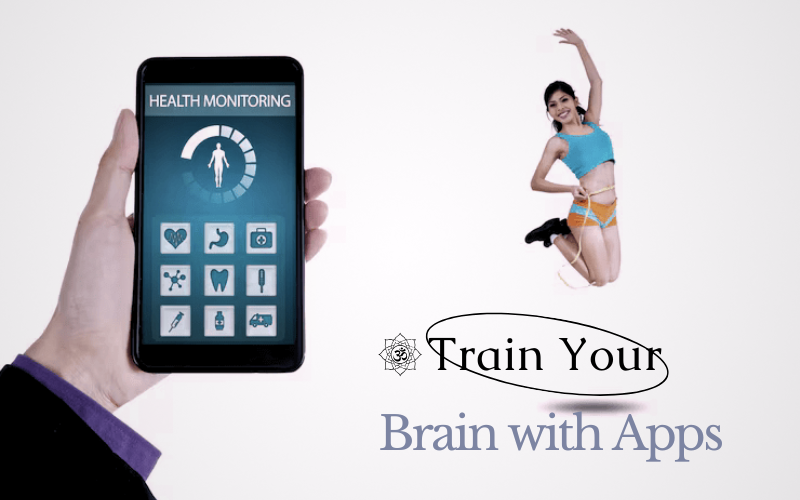
In an age where our phones know our heart rate, track our sleep, and even nudge us to breathe, it’s no surprise that mental fitness apps have become a popular tool for improving psychological well-being. From meditation and mood tracking to cognitive training and therapy chatbots, these apps promise sharper minds and calmer days. But how effective are they, really?
In 2025, with AI and neuroscience evolving rapidly, it's time we critically ask: do mental fitness apps truly enhance mental health—or are they just digital placebos?
What Are Mental Fitness Apps?
Mental fitness apps are digital tools designed to support emotional well-being, cognitive performance, and stress management. They include:- Meditation & mindfulness apps (e.g., Calm, Headspace)
- Cognitive training apps (e.g., Lumosity, Peak)
- Therapy & CBT-based apps (e.g., Woebot, BetterHelp)
- Mood trackers & journaling tools (e.g., Moodpath, Daylio)
- Habit & resilience builders (e.g., Fabulous, Happify)
The Science Behind Mental Fitness
Mental fitness is not about being happy all the time. It’s about cultivating resilience, focus, emotional regulation, and mental clarity—just as physical fitness isn't about six-pack abs but functional strength. Core elements of mental fitness include:- Mindfulness & meditation
- Cognitive flexibility
- Positive thinking patterns
- Emotional regulation
- Consistent sleep and self-care
The Benefits: What the Research Says
While not a replacement for professional care, mental fitness apps do show real, measurable benefits, particularly for users committed to regular use.- Mindfulness & Meditation Apps
- Reduce anxiety by 31% in just 10 days (Headspace, 2023)
- Improve sleep quality and focus
- Increase gray matter density in the brain (Harvard MGH)
- CBT-Based Apps & Therapy Bots
- A 22% reduction in depressive symptoms over 4 weeks
- High engagement among Gen Z and millennials
- Brain Training Apps
- Noticeable improvements in working memory and task-switching
- Greater benefits in older adults at risk of cognitive decline
- Personalized training yields better outcomes than generic games
The Limitations: Where They Fall Short
Despite their advantages, mental fitness apps are not a magic bullet. Their effectiveness varies based on user behavior, app quality, and mental health severity.- One-Size-Fits-All Approach
- Limited Emotional Depth
- Engagement Drop-off
- Only 17% of users maintain consistent usage after 3 months
- Notifications and gamification may create digital fatigue
- Data Privacy Concerns
Case Studies: Real-World Outcomes
Case 1: Corporate Wellness Program
A Fortune 500 company integrated Calm and Thrive Global into their employee wellness plan. After 6 months:- 38% reduction in reported workplace stress
- 19% increase in productivity
- Higher retention and morale among remote teams
Case 2: Students Using Woebot
A pilot program in a California university offered Woebot to first-year students. Results included:- Lower rates of panic attacks during exams
- Improved sleep hygiene
- Increased awareness about emotional regulation
Mental Fitness Apps in 2025: What's New?
As of 2025, several tech and neuroscience trends are transforming how these apps function:- AI Personalization
- Neurofeedback Integration
- VR Meditation Rooms
- Gamification with Purpose
How to Choose the Right Mental Fitness App
If you're considering using a mental fitness app, keep these points in mind:| Factor | What to Look For |
| Scientific Basis | Evidence-backed techniques (CBT, MBSR, ACT) |
| User Experience | Intuitive design, minimal ads, low friction |
| Customization | Personalized routines based on your mood, goals |
| Privacy & Security | Transparent data policies, GDPR/CCPA compliance |
| Integration | Syncs with wearables or health apps |
The Human Element Still Matters
Mental fitness apps can act as digital allies, but they shouldn't replace human connection or clinical care. For those with depression, PTSD, or anxiety disorders, apps should be seen as complementary tools, not substitutes. "Think of mental fitness apps like vitamin supplements—they work best when you're already maintaining a healthy lifestyle."Conclusion: So, Do They Really Work?
✔️ Yes, if…
- Used consistently and intentionally
- Aligned with your mental fitness goals
- Part of a larger well-being strategy
❌ No, if…
- Used as a replacement for therapy during crises
- Expected to deliver instant results
- Downloaded and forgotten
Final Thought
Mental fitness, like physical health, is a lifelong journey. Apps can guide us, but it's up to us to take the first mindful breath, make the first journal entry, or complete that 3-minute meditation. In a noisy, fast-paced digital world, pausing to nurture our minds may be the most radical act of self-care.

Comments
Leave a comment Replying to
Comments are reviewed before they appear. Your email is never published.