
Gaming Hostel: Where Gamers Live, Train, and Go Pro
Discover the world of gaming hostel, where gamers live, train, and go pro, creating a community of passion and competitive spirit.
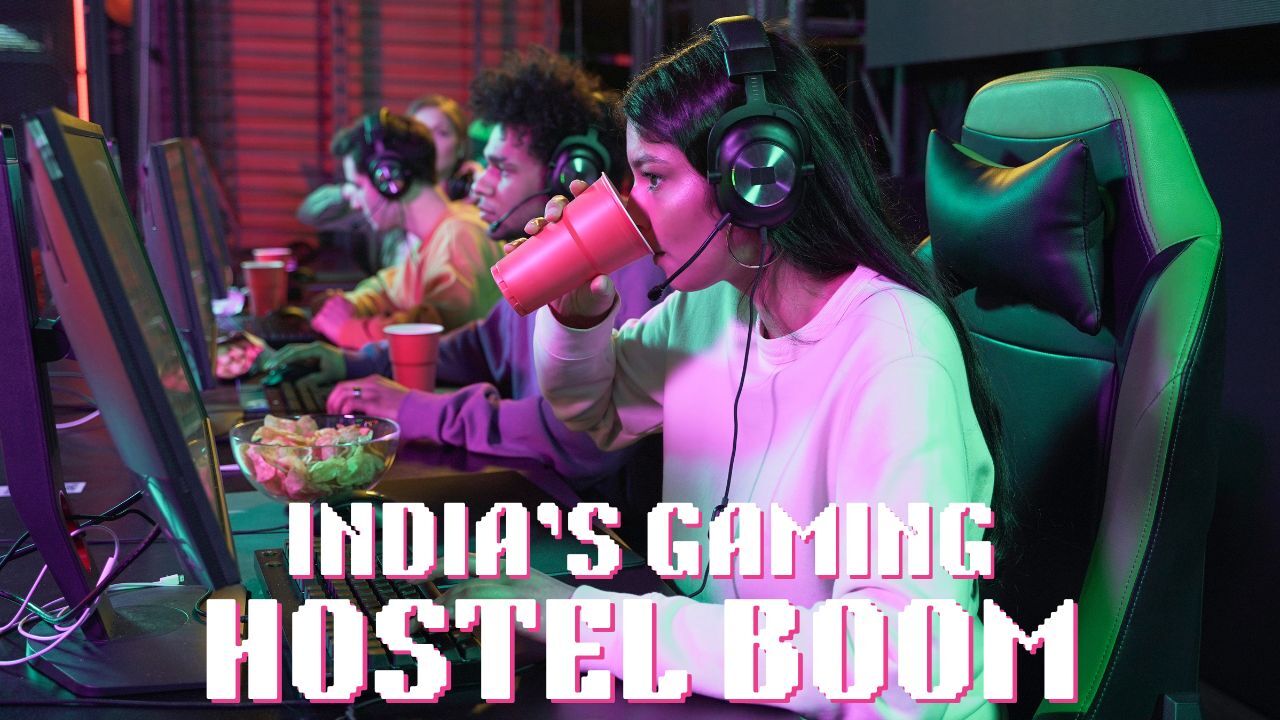
Until recently, the idea of a “gaming hostel” in India might have sounded like fiction—something out of a movie or a western esports documentary. But in 2025, this concept is rapidly becoming reality. Across cities and even small towns, shared spaces for gamers are popping up, creating a whole new world where young players live together, train together, and pursue full-time careers in gaming.
What was once a solo, late-night activity at home has now turned into a community-driven, professionally structured lifestyle. Welcome to India’s gaming hostel boom.
What Is a Gaming Hostel?
A gaming hostel is a shared residential space designed specifically for competitive gamers, streamers, and content creators. It combines the functionality of a co-living space with the infrastructure of an esports bootcamp. That means players sleep, eat, train, stream, and bond—all under one roof. These aren’t just internet cafés with beds. They are tech-enabled environments built with the gamer’s needs in mind: high-performance PCs or laptops, strong broadband connections, streaming setups, ergonomic seating, and sometimes even coaching staff and team managers.Why Are They Booming in India?
The growth of gaming hostels in India is no accident—it’s the result of a perfect storm of social, technological, and economic trends. First, gaming is now a viable career. Esports titles like BGMI, Valorant, Free Fire, and CS:GO offer prize pools, sponsorships, and massive online audiences. With real money and fame on the line, young players are taking it seriously. Second, not everyone can afford expensive gaming setups at home. In many middle-class households, space, hardware, and stable internet are limitations. Hostels make high-end setups accessible while lowering the cost barrier. Third, teams benefit greatly from living together. Whether you're a streamer or a competitive esports player, constant interaction builds synergy, discipline, and trust. In team-based games, that kind of chemistry can make or break a tournament. And finally, there’s the content angle. These hostels double up as content houses where players shoot vlogs, record gameplay, and stream live to massive fan bases.What’s Inside a Gaming Hostel?
While each hostel differs depending on location and budget, here’s what most offer:- High-performance PCs or laptops with gaming peripherals
- 24/7 high-speed fiber internet
- Dedicated spaces for live streaming and content creation
- Shared rooms or dorm-style accommodation
- Access to food (either in-house or delivery tie-ups)
- Communal areas for team discussions, viewing matches, or relaxing
- In some cases, in-house coaching or analytics support
Where Are They Located?
Gaming hostels are now emerging in major metros like Bangalore, Mumbai, Delhi, and Hyderabad. In areas like HSR Layout (Bangalore), Noida Sector 62, and Navi Mumbai, you’ll find shared spaces fully dedicated to gaming. But the trend isn’t limited to Tier 1 cities. Towns like Indore, Jaipur, and Guwahati are seeing similar models. Some are sponsored by local esports startups; others are created by gamers themselves pooling resources to rent and furnish apartments.Real Stories, Real Success
The rise of gaming hostels is closely tied to the success of India’s top esports personalities. Players like Mortal, Scout, and Jonathan started from small setups and went on to lead sponsored teams, live in content houses, and build massive online followings. Teams like S8UL, GodLike, Global Esports, and Revenant not only house their players but also help manage their daily routines, content calendars, and brand deals. Their hostel life has become part of their identity—and fans love getting a behind-the-scenes look at how their favorite players live.Social Media Is Fueling the Trend
One of the biggest drivers of the gaming hostel boom is content. Vlogs, reels, and shorts filmed in these spaces are racking up millions of views. From routine day-in-the-life videos to intense bootcamp preparations, fans are hooked on the authenticity and camaraderie. This kind of organic marketing is attracting new players and also convincing brands to get involved.Who Pays for It?
There are two models here:- Self-funded: A group of gamers rents an apartment, invests in gear, and splits costs. This is common among beginners or semi-pro teams.
- Sponsored: Esports organizations fund housing for players, often providing food, gear, and even salaries. These players are typically under contract and represent the org in tournaments and streams.
The Flip Side
It’s not all easy. Life in a gaming hostel requires discipline and adaptability. Long hours of practice can lead to burnout. Conflicts can arise when multiple players share living space. Pressure to perform—both in games and on social media—is constant. Also, not everyone who enters this lifestyle becomes a star. The risk is real, and success depends on consistency, talent, and timing.What’s Next?
As demand grows, we could see:- Larger co-living brands entering the space
- Gaming academies partnering with hostels
- Women-focused gaming hostels
- Regional language-specific content houses
- Hybrid setups that combine gaming with digital skills training


Comments
Leave a comment Replying to
Comments are reviewed before they appear. Your email is never published.