
Geek Culture: From Subculture to Mainstream Powerhouse
Explore how geek culture evolved from a niche subculture to a global mainstream powerhouse, influencing entertainment, fashion, and more.
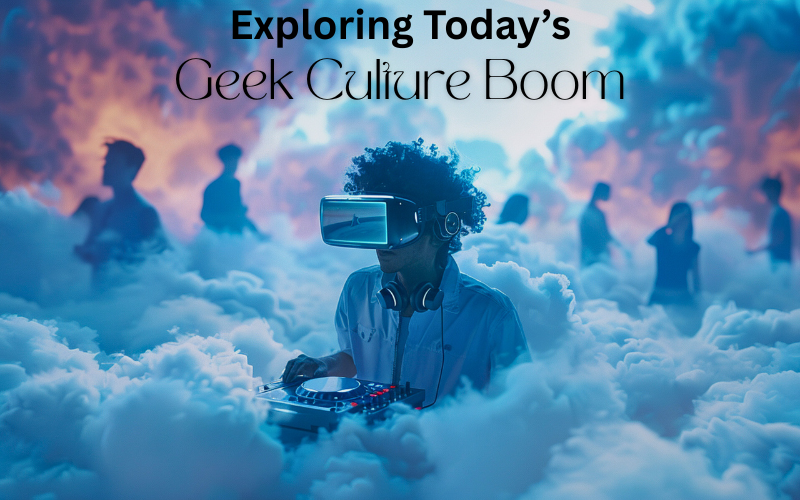
Once ridiculed, now revered—geek culture has taken a fascinating journey from the fringes of social life to the very core of global pop culture. What was once confined to comic book stores, obscure conventions, and basement LAN parties is now a multi-billion-dollar force influencing entertainment, technology, fashion, and even politics.
This blog dives deep into the world of geek culture, exploring its origins, evolution, major communities, and its profound impact on how we interact with media and identity today.
What Is Geek Culture?
Geek culture refers to the collective social practices, values, and creative output associated with people who are deeply passionate about specific subjects—often tech, science fiction, fantasy, video games, anime, comics, or computing. It’s a fandom-driven, knowledge-centered, and often obsessive engagement with a particular area of interest. Unlike surface-level pop culture fandom, geek culture often involves:- In-depth knowledge and trivia
- Community involvement (forums, cons, fan art)
- Creative expression (cosplay, fan fiction, mods)
- DIY and maker mentalities
- Celebration of 'outsider' interests
A Brief History of Geekdom
- Origins in Obsession and Outsider Identity
- Star Trek conventions began in the early '70s.
- Dungeons & Dragons (1974) gave rise to role-playing game communities.
- Home computers and early programming were embraced by “geeks” long before they went mainstream.
- Comic books formed the backbone of many early fandoms.
- The 1990s and the Internet Era
- Forums like Reddit, Something Awful, and 4chan
- Fan fiction hubs like FanFiction.net
- MMORPGs like EverQuest and World of Warcraft
- 2000s: Entering the Mainstream
- The Lord of the Rings and Harry Potter became critical and commercial blockbusters.
- Comic-Con International in San Diego transformed into a celebrity-filled pop culture extravaganza.
- Tech billionaires like Bill Gates, Steve Jobs, and later Elon Musk became cultural icons.
Core Elements of Geek Culture
- Fandoms and Shared Universes
- Technology and Innovation
- Coders, hackers, and gamers led the digital revolution.
- Open-source movements (like Linux or GitHub) emerged from geek communities.
- Maker culture (Arduino, 3D printing) exemplifies geek DIY ethics.
- Role-Playing and Cosplay
- Memes and Humor
Geek Culture and Identity
- A Safe Space for Outsiders
- Gender and the Rise of the Fangirl
- Women make up a large portion of fandoms—from Supernatural and anime to comic books and cosplay.
- Shows like Doctor Who and The Mandalorian are led by diverse fanbases.
- Platforms like Tumblr and TikTok highlight fangirl creativity and commentary.
- Race and Representation
- Characters like Miles Morales (Spider-Man) and Kamala Khan (Ms. Marvel) bring representation into comics.
- Shows like Arcane, Invincible, and Black Panther challenge old norms.
- Creators of color in indie comics, Afrofuturism, and anime fandoms are reshaping geek storytelling.
Geek Culture’s Economic Power
- Billion-Dollar Franchises
- The MCU has grossed over $29 billion globally.
- Game of Thrones, The Witcher, and other fantasy series dominate streaming.
- eSports and gaming outpace traditional sports in youth engagement and revenue.
- Merchandising and Collector Economies
- Retro gaming markets
- NFTs and digital collectibles
- Streaming and Let’s Play economies (YouTube, Twitch)
- Tech Entrepreneurship
- Mark Zuckerberg (Meta) began as a coder building platforms for niche use.
- Elon Musk is often viewed as the real-life Tony Stark.
- Startups from VR to AI often emerge from gamer or hacker subcultures.
Geek Culture as a Global Phenomenon
- The Rise of Anime and Manga
- Crunchyroll and Netflix have globalized anime consumption.
- Cosplay is inspired heavily by anime characters.
- Global hits like Attack on Titan, Demon Slayer, and Jujutsu Kaisen are part of mainstream youth culture.
- K-pop and Geek Synergy
- Dedicated online communities
- Fan events and conventions
- Lore, aesthetics, and collectibles
- Global Conventions and Online Communities
Challenges Within Geek Culture
Despite its successes, geek culture faces real internal tensions:- Toxicity and Gatekeeping
- “Fake geek girls” tropes
- Racist or sexist backlash against diverse casting
- Hostility in online gaming spaces
- Over-Commercialization
- Franchises become profit-driven rather than story-driven
- Collector culture turns into scalper culture
- Indie creators get overshadowed by massive IPs
- Burnout and Fandom Fatigue
- Overwhelm
- Nostalgia fatigue
- A longing for new, original worlds
The Future of Geek Culture
Where is geek culture headed?- The Blurring of Virtual and Real
- Virtual cosplay
- AI-generated NPC companions
- Entire fandoms born in virtual worlds
- Return to Indie and DIY
- Cross-Cultural Fusion
- K-pop with Marvel aesthetics
- Africanfuturism with cyberpunk
- Indigenous storytelling with fantasy gaming
Final Thoughts: From the Margins to the Center
Geek culture’s journey is a testament to how passion, community, and creativity can rewrite the rules of what’s “cool.” No longer mocked, geeks are now architects of the digital age—shaping the stories we tell, the games we play, and the technologies we rely on. But at its core, geek culture remains a space for those who care—deeply and unapologetically—about the things they love. And in a world often marked by indifference, that might be its most powerful legacy.


Comments
Leave a comment Replying to
Comments are reviewed before they appear. Your email is never published.