
Wildfires: How to cope when smoke affects air quality and health
Learn how to cope with wildfires and their impact on air quality and health, from protective measures to managing symptoms.
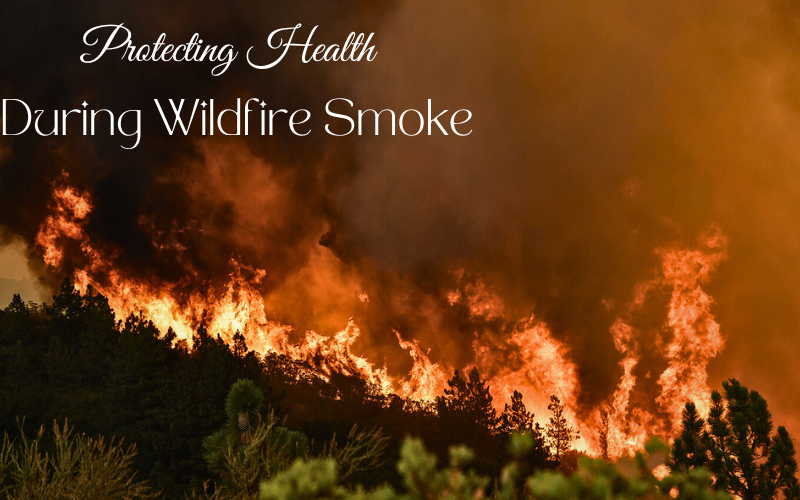
When wildfires rage, the resulting smoke doesn’t just darken our skies—it invades our lungs, homes, and minds. Exposure to fine particulate matter (PM₂.₅) in wildfire smoke is linked to respiratory irritation, exacerbation of asthma, cardiovascular stress, and even long-term health issues like dementia and reduced birth outcomes. This blog explores practical steps to safeguard your physical and mental wellbeing during smoky days, backed by expert guidance from the CDC, Harvard, and EPA.
- Understand the Threat
- Stay Informed: Monitor the Air
- Seal and Purify Indoors
- Keep windows and doors shut, and block leaks with weather stripping or towels .
- Designate a clean room: a space with minimal outdoor openings, equipped with a HEPA filter or high-efficiency air purifier.
- Run your HVAC system with MERV 13+ filters on recirculation mode to avoid outdoor air intake.
- Avoid indoor pollution: skip vacuuming, frying food, burning candles, or smoking—these actions worsen air quality .
- Use Protective Gear Outdoors
- Wear a well-fitting N95 or P100 respirator. Cloth or surgical masks don't offer sufficient protection from PM.
- Use respirators for young children with caution—NIOSH-approved sizes may not fit perfectly; ensure proper fit.
- Limit or avoid outdoor exercise, substituting for indoor workouts in filtered environments.
- In vehicles, keep windows up and use air conditioning on recirculation to avoid pulling in smoke.
- Prepare Supplies & Evacuation Plans
- Fund a "go bag": include masks, medications, water, important documents in case of evacuation .
- Set emergency alerts from local agencies, NOAA, or fire maps to stay informed .
- Protect children and pets: extra care for sensitive groups; keep them indoors, monitor symptoms, and design safe play spaces .
- Support Your Mental Health
- Practice grounding techniques (5‑4‑3‑2‑1 method, deep breathing).
- Stay socially connected, share feelings, reach out for support.
- Maintain routines—indoor physical activity, structure, engaging hobbies.
- Limit media exposure on fires to prevent overwhelm, especially for children.
- Seek professional help if sleep, mood, or anxiety become persistent concerns .
- Stay Engaged Community-Wise
- Smoke‑ready initiatives include shared clean‑air centers and public mask distribution.
- Advances in air‑sensor networks help track pollution exposure and inform cleaner‑air guidelines .
- Pressure local governments to amplify emergency alert systems, offer support for vulnerable residents, and maintain accessible public shelters.
- Long‑Term Resilience
- Invest in HVAC upgrades and HEPA filtration—studies show HEPA can halve household indoor pollution compared to untreated air .
- Adopt SMART forest management to reduce future smoke events and preserve air quality .
- Support equitable resource distribution, ensuring rural and low-income communities receive masks, filters, and clean-air access.
Quick Reference Table
| Condition / AQI Alert | Recommended Action |
| AQI > 150 (Unhealthy) | Stay indoors, use clean air room & HEPA purifier |
| AQI > 200 (Very Unhealthy) | No outdoor exercise; mask first thing outdoors |
| AQI > 300 (Hazardous) | Avoid all outdoor exposure; activate evacuation plan |
Final Thoughts
Wildfire smoke poses serious threats that touch on our physical health, mental wellbeing, and community cohesion. By arming ourselves with knowledge—of AQI levels, indoor air strategies, respirators, emotional coping techniques, and preparedness plans—we can build resilience that carries us through smoky skies. Individually and collectively, these steps help us transform vulnerability into strength, turning an environmental emergency into a catalyst for healthier living and stronger bonds.Resources to Explore
- AirNow.gov & PurpleAir – live AQI & pollution data
- CDC Smoke Safety Guide, EPA Smoke‑Ready Toolbox, AirNow Wildfire Guide
- Harvard Health – practical indoor air & stress techniques
- Public health & academic studies – insights on air filters, mental health, and environmental justice


Comments
Leave a comment Replying to
Comments are reviewed before they appear. Your email is never published.