
Why Every Indian Teen Is Talking About Valorant Again in 2025
Discover Why Every Indian Teen is talking about Valorant again in 2025, as it regains popularity with thrilling gameplay and esports growth.
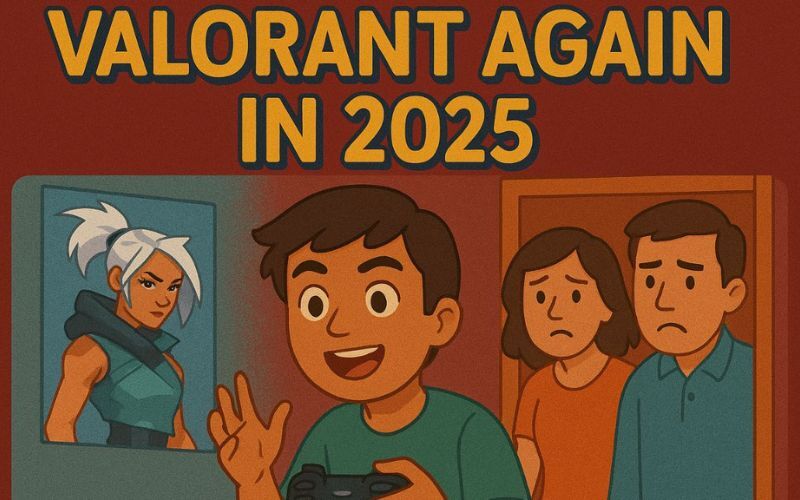
Just when everyone thought the hype had settled, Valorant is back in India—and it’s bigger, bolder, and louder than ever. From school computer labs to college hostel rooms, the buzz is unmistakable. Whether it’s memes, tournament watch parties, or late-night 5-stacks, Valorant has reclaimed its crown among Indian teens in 2025. Why Every Indian Teen is talking about Valorant again is clear—it’s the game that unites them, fuels their competitive spirit, and keeps them engaged in the esports community.
But the real question is: Why now? Why has this tactical shooter, originally released in 2020, suddenly shot back into the spotlight in India?
Let’s break it down.
A Quick Recap: What Is Valorant?
For those unfamiliar, Valorant is a free-to-play first-person tactical shooter by Riot Games. Think of it as a mix of Counter-Strike and Overwatch—you get tight gunplay mechanics, strategic planting/defusing of bombs, and agents with unique abilities. It launched globally in 2020 and quickly found a fan base in India. However, like all games, the initial excitement dipped after a few years… until now.So, What Changed in 2025?
1. Mobile Version Launched – Finally!
The single biggest reason for Valorant’s renewed popularity in India? The official Valorant Mobile launch. For years, Indian gamers had been waiting for a mobile version. And Riot finally delivered in early 2025. With mobile gaming dominating the Indian market, this move instantly opened the gates for a new wave of players, especially school and college students who don’t have access to high-end PCs. The mobile version is smooth, optimized for mid-range phones, and retains all the competitive edge of the PC game. That means teens can now grind ranked matches on the go—whether on a train ride, during lunch break, or in hostel common rooms.2. Regional Language Support
Riot Games clearly paid attention to India’s diversity. Valorant now comes with voiceover packs and menu options in Hindi, Tamil, Bengali, and more. This small but powerful addition made the game more accessible and relatable for younger players who prefer to play in their native languages. Streamers are now creating content in these languages, making it easier for new players to learn the game and join the community.3. College-Level Tournaments and Campus Leagues
In 2025, we’re seeing a dramatic rise in campus esports culture. Riot India has partnered with colleges and student organizations to roll out inter-college Valorant tournaments across major cities. From Delhi University to Manipal to IITs, students are forming teams, designing jerseys, and competing for real prizes. For many students, this is their first taste of esports. The energy is real, the competition is fierce, and the sense of community is electric.4. Return of Popular Indian Streamers and Teams
The return of Valorant hype also comes with the comeback of legendary Indian streamers who originally made the game popular:- SkRossi is back with high-level ranked games and coaching sessions.
- HellrangeR and Amaterasu are hosting regular content, with VODs of top plays.
- New female streamers are also entering the space, bringing fresh vibes and inclusive commentary.
5. Customization, Skins, and Indian Collaborations
Valorant’s new in-game cosmetic drops and collaborations with Indian designers and artists have also drawn attention.- You can now equip gun skins inspired by Indian art styles.
- There are graffiti packs featuring Indian slang and street art.
- Rumors are swirling about a possible India-based agent being added in the next season.
Why Teens Love It—Again
So, what makes Valorant the go-to game for Indian teens in 2025?- Competitive yet rewarding: Wins feel earned, and ranking up is a badge of honor.
- Fast-paced but strategic: It’s not just reflexes—you need communication, planning, and teamwork.
- Cool, stylish, and social: The skins, voice chats, and memes all feed into teen culture.
- Esports-ready: Teens don’t just want to play; they want to compete, stream, and be seen.
Comments
Leave a comment Replying to
Comments are reviewed before they appear. Your email is never published.