
Burnout in Your 20s: 7 Warning Signs You Shouldn't Ignore
Burnout in your 20s can show up as constant exhaustion, loss of motivation, difficulty concentrating, and feeling overwhelmed by everyday responsibilities. Discover seven warning signs to watch for and practical ways to manage stress, protect your mental well-being, and build healthier habits with Digital Dopamine.
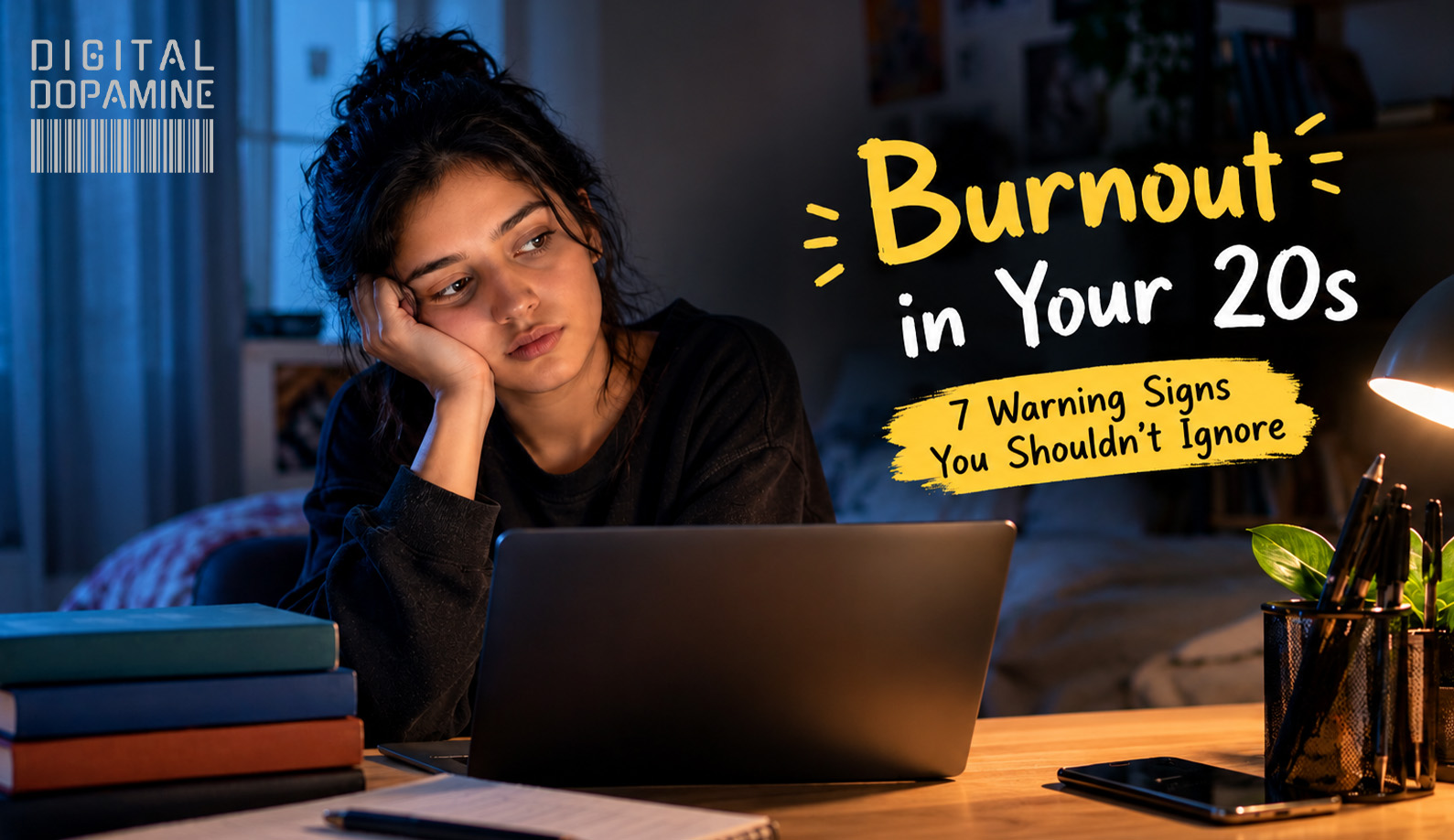
Your twenties are often described as the best years of your life. It is the time to build a career, learn new skills, make money, explore opportunities, and work towards your dreams. But behind the excitement of starting a new chapter, many young adults face a different reality: constant pressure, emotional exhaustion, and the feeling that they are never doing enough.
You might wake up tired even after sleeping, struggle to concentrate at work, or feel guilty whenever you take a break. You may tell yourself that you simply need to work harder. But when stress continues for a long time without enough recovery, it can affect your energy, motivation, relationships, and overall well-being.
This is where burnout becomes an important topic to understand. At Digital Dopamine, we explore the everyday health and lifestyle issues that deserve more attention. Here are seven warning signs you shouldn't ignore, along with practical steps that may help you protect your well-being.
What Is Burnout?
Burnout is more than having a difficult day or feeling tired after a busy week. The World Health Organization describes burnout as a phenomenon resulting from chronic workplace stress that has not been successfully managed. It involves exhaustion, increased mental distance or negativity towards work, and reduced professional effectiveness.
Burnout is not classified by the WHO as a medical condition, and not every period of tiredness means someone is experiencing it. However, recognising persistent changes in how you feel and function can help you decide when to make changes or seek professional support.
7 Warning Signs of Burnout in Your 20s
1. You Feel Exhausted Even Before the Day Begins
Do you wake up feeling drained before your work or studies have even started? Constant tiredness can make ordinary responsibilities feel unusually difficult. You may depend on caffeine to get through the day or feel that your energy disappears quickly.
Ongoing exhaustion is one of the key features associated with burnout. However, persistent fatigue can also have other causes, including sleep problems and medical conditions.
What you can do: Maintain a regular sleep schedule, make time for recovery, and avoid treating rest as something you must earn. If fatigue continues despite adequate rest, consider speaking with a healthcare professional.
2. Work That Once Excited You Now Feels Meaningless
Perhaps you once enjoyed learning new things, completing projects, or achieving your goals. Now, even tasks you used to find interesting may feel like obligations.
You might start questioning why you are working so hard or feel increasingly negative about your responsibilities. This growing distance from work can be a warning sign of burnout.
What you can do: Identify what is making work feel overwhelming. It could be an unrealistic workload, unclear expectations, a lack of support, or insufficient time away from work. Where possible, discuss manageable changes with your manager or supervisor.
3. You Struggle to Concentrate on Simple Tasks
You sit in front of your laptop, open a document, and find yourself staring at the screen without making progress. Tasks that once took thirty minutes may now take much longer because your attention keeps drifting.
Long-term stress can affect concentration, decision-making, and your ability to organise tasks. This can create a frustrating cycle: you struggle to work, fall behind, and then feel even more pressure.
What you can do: Break large tasks into smaller steps, take short breaks, and focus on one priority at a time. If concentration difficulties persist or affect everyday life, seek professional advice rather than assuming stress is the only cause.
4. Small Problems Trigger Unusual Frustration
A minor mistake, an unexpected message, or a small change in plans may suddenly feel overwhelming. You might become impatient with colleagues, friends, or family members, even when they have done nothing wrong.
Stress can affect emotions and behaviour, sometimes leaving people more irritable, sensitive, or withdrawn than usual.
What you can do: Notice when frustration appears and identify the situations that trigger it. Give yourself time to pause before reacting, and make room for activities that help you unwind. If irritability or emotional changes persist, consider seeking support.
5. You Feel Guilty Whenever You Take a Break
You finish work but continue checking emails. You spend your weekend thinking about Monday's deadlines. Even when you sit down to relax, you feel that you should be doing something more productive.
This pattern can make it difficult to recover from ongoing pressure. Rest is not a reward reserved for people who have completed every task; it is a normal part of maintaining well-being.
What you can do: Set realistic working hours, take breaks during the day, and create a clear boundary between work and personal time. Remember that being productive does not mean being available every minute.
6. You Stop Making Time for People and Activities You Enjoy
You may begin cancelling plans, avoiding conversations, or losing interest in hobbies that previously helped you relax. Work or other responsibilities gradually take up more space, leaving little time for friendships and personal interests.
Although needing occasional solitude is normal, a persistent pattern of withdrawal can indicate that you are struggling to cope.
What you can do: Start small. Arrange a short conversation with someone you trust, take a walk, or return to an activity you once enjoyed. You do not need to maintain a packed social calendar, but supportive connections can help you feel less isolated.
7. You Feel Like Nothing You Do Is Ever Enough
You complete an important task but immediately focus on what remains unfinished. You achieve a goal and compare yourself with someone who appears to be doing better. Over time, you may feel ineffective even when you are putting in considerable effort.
This can be especially challenging in your twenties, when career expectations, financial pressures, and comparisons with other people's achievements can feel intense.
What you can do: Set achievable goals and recognise progress instead of measuring yourself only against other people. Review your workload and identify what genuinely needs attention. If persistent low mood, hopelessness, or anxiety is affecting your daily life, speak with a qualified mental-health professional.
How Can You Reduce the Risk of Burnout?
There is no single solution that works for everyone, but a few practical habits can help you manage stress and support recovery:
Protect your sleep: Keep a consistent bedtime and allow enough time for rest.
Move regularly: Walking, stretching, or another activity you enjoy can provide a useful break from work.
Set boundaries: Avoid making overtime and constant availability your everyday routine.
Make time for yourself: Keep some space for hobbies, friendships, and activities unrelated to achievement.
Talk about the pressure: Reach out to someone you trust or discuss workload concerns with your workplace.
Seek professional support when needed: If symptoms persist, worsen, or interfere with daily life, consult a healthcare or mental-health professional.
It is also important to recognise that burnout is not simply a personal failure to manage time. Workload, workplace culture, lack of control, and inadequate support can all contribute to chronic work-related stress. Addressing the underlying pressures matters just as much as developing individual coping strategies.
Final Thoughts
Your twenties do not have to be a constant race to achieve more, earn more, or prove your worth. Ambition can help you grow, but consistently ignoring your physical and emotional needs can make it harder to sustain that growth.
Recognising these seven warning signs does not mean diagnosing yourself with burnout. Instead, it gives you an opportunity to notice changes, reassess your routine, and seek support before the situation becomes more difficult to manage.
At Digital Dopamine, we believe that looking after your well-being deserves as much attention as building your career and pursuing your goals. You do not have to wait until you feel completely exhausted to make a change.
Your health is part of your progress, not something you should sacrifice to achieve it.


Comments
Leave a comment Replying to
Comments are reviewed before they appear. Your email is never published.