
How to Build a Sustainable Healthy Lifestyle
Build a sustainable healthy lifestyle with balanced habits, mindful eating, regular exercise, and lasting motivation.

In today’s fast-paced world, the pursuit of health and wellness can often feel overwhelming. With endless diet fads, fitness trends, and wellness gurus vying for your attention, it’s easy to feel confused about what really matters. But here’s the good news: creating a sustainable healthy lifestyle doesn’t have to be complicated or extreme. In fact, the most impactful changes are often the simplest. Let’s dive into practical strategies to help you build habits that last a lifetime.
1. Start with Small, Manageable Changes
One of the biggest pitfalls people face when trying to get healthier is doing too much, too soon. While enthusiasm is great, massive overhauls can quickly lead to burnout. Instead, focus on small, achievable goals. For example:- Swap soda for water instead of quitting all sugar at once.
- Add one vegetable to your meals each day instead of revamping your entire diet.
- Go for a 10-minute walk instead of forcing yourself into hour-long workouts immediately.
2. Prioritize Balanced Nutrition
A sustainable healthy lifestyle includes nourishing your body with foods that make you feel good—both physically and mentally. Aim for balance, not perfection. Some simple guidelines include:- Fill half your plate with vegetables whenever possible.
- Choose whole grains over refined grains for better digestion and longer-lasting energy.
- Include a source of protein in every meal to support muscle health and keep you feeling full.
- Enjoy treats mindfully—completely cutting them out can lead to cravings and overeating later.
3. Move Your Body Regularly
Exercise isn’t just about burning calories—it’s about improving your overall health and boosting your mood. The key is to find movement you genuinely enjoy. If you dread the gym, consider alternatives like:- Dancing at home to your favorite playlist
- Taking a brisk walk in nature
- Trying out a beginner-friendly yoga video
- Joining a local sports league or class
4. Prioritize Sleep and Stress Management
Often overlooked, sleep and stress play crucial roles in your overall health. Lack of sleep can affect everything from your immune system to your mood, while chronic stress can wreak havoc on your body.- Aim for 7-9 hours of quality sleep by creating a relaxing bedtime routine and keeping screens out of the bedroom.
- Incorporate stress-reducing activities like meditation, journaling, or spending time with loved ones.
- Practice saying no to commitments that drain you—it’s okay to set boundaries!
5. Find Your Why
A sustainable healthy lifestyle is about more than just looking good—it’s about feeling good, too. Take some time to reflect on why you want to make these changes. Is it to have more energy to play with your kids? To feel more confident? To improve your long-term health? When you connect with your “why,” it becomes much easier to stay motivated, even when things get tough.6. Let Go of Perfectionism
It’s easy to get caught up in the idea of “perfect” health. But perfection isn’t sustainable. Life happens—there will be days when you eat takeout or skip your workout, and that’s okay! What matters most is consistency over time, not perfection in every moment. Give yourself grace and celebrate small victories. Progress is progress, no matter how small.7. Make It Social
Humans are social creatures, and our relationships can have a big impact on our health. Surround yourself with people who support your healthy lifestyle, whether it’s:- Finding a workout buddy
- Cooking healthy meals with friends
- Joining an online community for accountability and support
8. Embrace Flexibility
Life is unpredictable, and rigid rules can lead to frustration. Instead of strict guidelines, think of your healthy lifestyle as a flexible framework. Adjust your habits as needed:- Busy week? Focus on quick, nutritious meals.
- On vacation? Explore local foods and enjoy new activities.
- Feeling low-energy? Gentle movement and rest are still valuable.
Final Thoughts
Building a sustainable healthy lifestyle isn’t about quick fixes—it’s about creating habits that you can maintain for years to come. By focusing on small, positive changes, prioritizing balance, and listening to your body, you can transform your health in a way that feels good and lasts.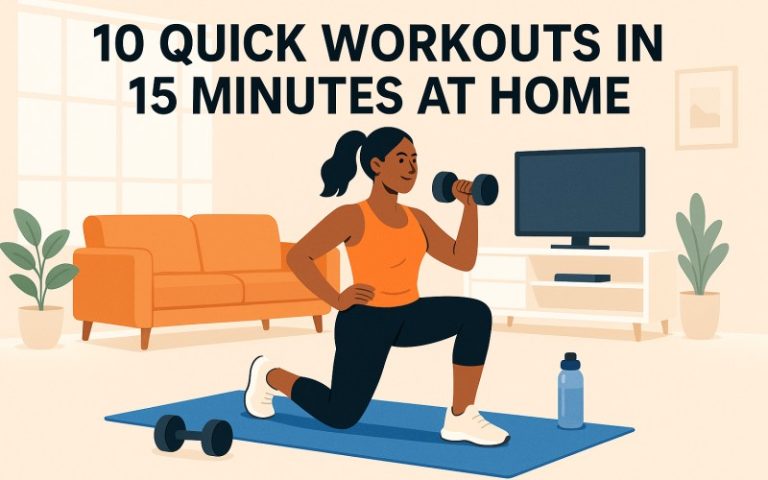
Comments
Leave a comment Replying to
Comments are reviewed before they appear. Your email is never published.