
Microplastics and Ocean Pollution: A Hidden Crisis
Uncover the hidden crisis of microplastics and ocean pollution, and understand their devastating impact on marine life and the environment.
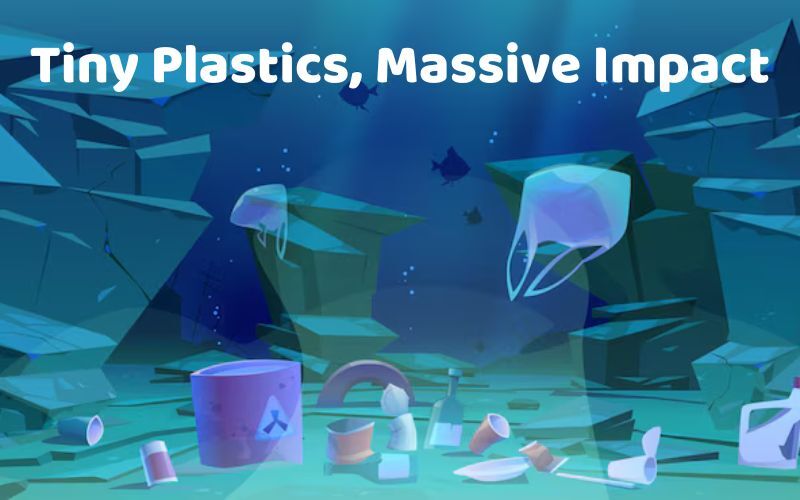
Our oceans—once vast, pristine, and teeming with life—are now under silent siege. While oil spills and overfishing often dominate environmental headlines, a quieter but equally devastating threat has emerged: microplastics. These tiny plastic fragments are polluting marine ecosystems on an unprecedented scale, disrupting food chains, harming aquatic life, and even making their way into human bodies. The fight against ocean pollution is incomplete without addressing this microscopic menace, which is now found from Arctic ice to the Mariana Trench.
What Are Microplastics?
Microplastics are plastic particles less than 5 millimeters in diameter. They originate from two main sources:- Primary microplastics: These are intentionally manufactured small plastics, used in products like cosmetics, industrial abrasives, and microbeads in personal care items.
- Secondary microplastics: These form when larger plastic debris, such as bottles and bags, degrade over time due to exposure to sunlight, waves, and friction.
How Microplastics Enter the Oceans
Microplastics find their way into oceans through a wide array of channels:- Wastewater and runoff: Many microplastics from washing machines (microfibers from synthetic clothing), cosmetics, and household items slip through filtration systems and enter water bodies.
- Improper waste disposal: Littered plastic is swept by wind or rain into streams and rivers, which eventually flow into oceans.
- Marine industry waste: Lost or discarded fishing nets, ropes, and packaging materials directly pollute the sea.
- Atmospheric fallout: Recent research shows microplastics can be carried by wind and fall into the ocean with rain or dust particles, even in remote regions.
The Impact on Marine Life
For marine creatures, microplastics are a deadly trap. Their bright colors and shapes often resemble plankton or other food sources. Animals that ingest them suffer various harmful effects:- Physical damage: Swallowing plastic can block digestive tracts, cause internal injuries, and lead to malnutrition or death.
- Chemical exposure: Microplastics absorb toxic chemicals like pesticides and industrial pollutants from surrounding water. Once ingested, these toxins enter the animals' tissues.
- Bioaccumulation: As contaminated prey is eaten by predators, toxins climb the food chain, magnifying in concentration at each level.
Human Health at Risk
Humans are not immune to the consequences. Microplastics have been found in:- Drinking water (bottled and tap),
- Seafood (especially shellfish, which are consumed whole),
- Salt, beer, and even breast milk.
- Endocrine disruption: Chemicals in plastics may interfere with hormones, potentially impacting fertility, growth, and metabolism.
- Inflammation and oxidative stress: Lab studies show that plastic particles can damage human cells and cause chronic inflammation.
- Unknown long-term effects: The cumulative impact of lifelong exposure to microplastics is still unclear, but early findings are troubling.
Why Is This Problem So Complex?
Microplastics are challenging to combat for several reasons:- Minuscule size: Their small size allows them to bypass most filtration systems.
- Massive scale: Billions of plastic items are discarded every year. Even a small percentage degrading into microplastics causes a vast problem.
- Slow degradation: Unlike organic materials, plastic doesn’t biodegrade—it just gets smaller.
- Consumer culture: Modern society relies heavily on plastic for packaging, clothing, electronics, and more.
Solutions: What Can Be Done?
Despite the scale of the problem, there are meaningful steps we can take:1. Reduce Plastic Consumption
- Use reusable bags, bottles, and containers.
- Avoid single-use plastics like straws, cups, and wrappers.
- Choose clothing made from natural fibers like cotton, wool, or bamboo.
2. Improve Waste Management
- Upgrade wastewater treatment to better filter microplastics.
- Encourage extended producer responsibility (EPR), where manufacturers manage the full lifecycle of their products.
- Enforce better recycling protocols and community waste sorting programs.
3. Support Plastic Bans and Regulations
- Ban microbeads and restrict the production of non-essential plastic products.
- Enact international treaties to regulate plastic waste exports and marine pollution.
- Promote eco-friendly alternatives through subsidies and innovation grants.
4. Encourage Scientific Research
- Fund studies on the health impacts of microplastics.
- Innovate biodegradable materials that don’t persist in ecosystems.
- Explore effective ways to filter microplastics from water systems.
5. Raise Awareness
- Educate children and adults about the long-term risks of plastic pollution.
- Share knowledge on social media and participate in clean-up initiatives.
- Hold corporations accountable through activism and ethical consumption.
A Shared Responsibility
Tackling microplastics and ocean pollution requires global collaboration, technological innovation, and a cultural shift in how we view and use plastic. The oceans are a lifeline for biodiversity, climate regulation, and human survival. They deserve better.
Comments
Leave a comment Replying to
Comments are reviewed before they appear. Your email is never published.