
How Sports Unite Communities Around the World
Explore how sports unite communities together globally, fostering unity, culture, and shared passion across borders.
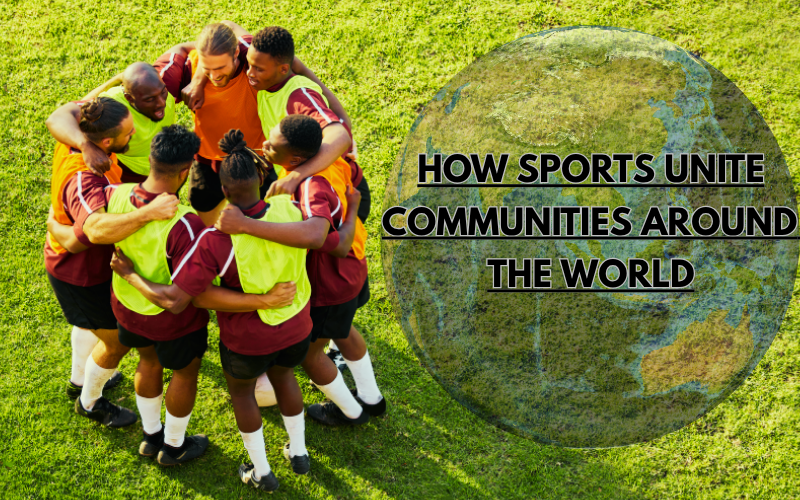
In a world often divided by borders, politics, languages, and beliefs, there’s one universal language that transcends it all — sports. Whether it’s a neighborhood football match, a cricket World Cup final, or the Olympic Games, sports have an unmatched power to bring people together. They create shared moments, collective memories, and a sense of belonging that few other things can offer. In 2025, this unifying power of sports is more visible and impactful than ever. Let's explore how sports unite communities, building bridges between individuals, cultures, and even nations.
A Common Ground for All
At the most basic level, sports provide a common interest. It doesn’t matter what your background is — if you're a fan of a team or a player, you automatically belong to a community. In stadiums, streets, or social media chats, fans from all walks of life chant together, celebrate victories, and mourn losses side by side. Think of the FIFA World Cup, where fans from over 200 countries come together with painted faces, national flags, and shared hopes. Or look at India during a cricket match — bustling cities come to a pause, strangers become instant friends, and the energy is electric.Local Games, Global Impact
You don’t need a massive tournament to feel the unity sports bring. Even at the grassroots level, sports act as a powerful social glue. Local tournaments, school competitions, and community leagues:- Build friendships across age groups and cultures
- Promote teamwork and mutual respect
- Offer a healthy outlet for stress and conflict
Sports as a Tool for Peace and Diplomacy
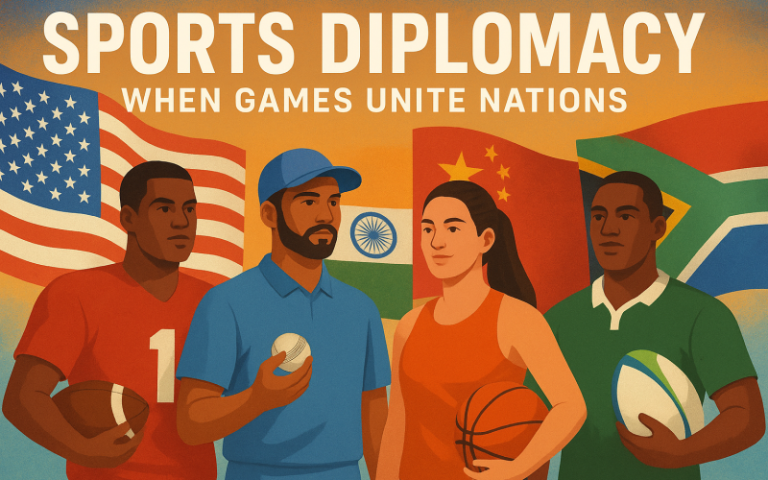
Throughout history, sports have played a surprising role in international relations and peacebuilding:- In 1971, Ping Pong Diplomacy helped thaw U.S.-China tensions during the Cold War.
- The Olympic Truce, an ancient tradition revived in modern times, encourages nations to halt conflicts during the Games.
- In 2018, North and South Korea fielded a joint women’s ice hockey team at the Winter Olympics — a powerful symbol of unity.
Uniting Through Tragedy and Triumph
Sports often bring people together in times of crisis and celebration alike. After natural disasters or global tragedies, sporting events provide hope and healing. For example:- After the 9/11 attacks, the return of baseball in the U.S. became a moment of national unity.
- During the COVID-19 pandemic, fans around the world found comfort in watching matches from their homes, even with empty stadiums.
Social Media and the Digital Arena
In 2025, the role of digital platforms has amplified the uniting power of sports. Fans from around the world connect instantly on Twitter, Instagram, and Reddit to share highlights, memes, and opinions. Supporters of FC Barcelona in India, Japan, and Brazil can all experience the same joy or heartbreak at the same time. A viral goal or a powerful moment — like athletes kneeling for social justice or helping an injured opponent — sparks global conversations and shows the good sports can inspire.Sports Promote Inclusion and Representation
Modern sports are increasingly becoming platforms for inclusion, diversity, and equality. The rise of women’s sports, para-sports, and LGBTQ+ representation has shown how sports give everyone a space to shine. Events like the Special Olympics and Paralympics bring global communities together to celebrate determination, resilience, and talent — regardless of physical or mental abilities. These inclusive movements show how sports help society move forward, embracing differences while celebrating unity.Education, Youth, and Hope
Sports programs in schools and youth communities play a critical role in uniting children early in life. Through team games, kids learn:- Empathy and respect
- Teamwork and problem-solving
- How to communicate across cultural lines
The Future of Unity Through Sports
As we look ahead, the future of sports as a uniting force seems brighter than ever:- Esports is bringing together gamers across countries, genders, and ages.
- Virtual and augmented reality are creating new shared experiences for fans.
- Global sports leagues are encouraging talent exchange and collaboration like never before.
Conclusion: More Than Just a Game
In the end, sports are far more than just games. They are a mirror of our societies — showing both our challenges and our hopes. They bring people together in ways that politics, economics, and even language often can’t. In 2025, as the world continues to face divisions and differences, sports remind us of our shared humanity. They teach us to cheer for each other, to support one another, and to believe that — no matter where we’re from — we’re all part of the same team. And that, truly, is the greatest victory.
Comments
Leave a comment Replying to
Comments are reviewed before they appear. Your email is never published.