


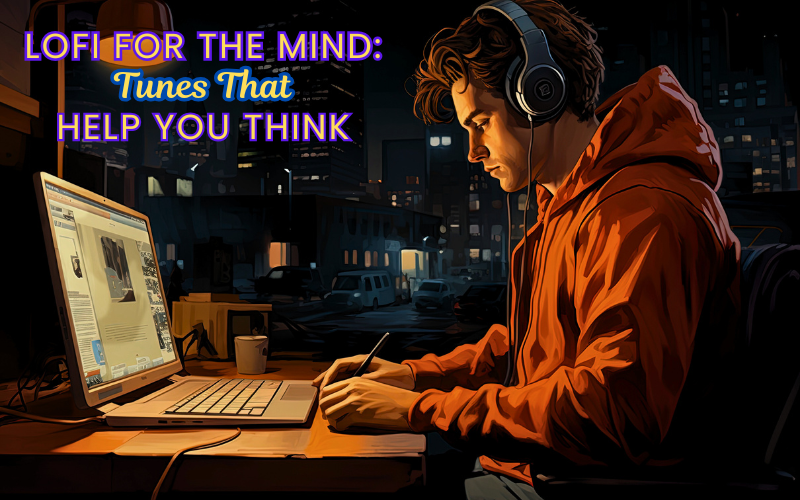
In today’s fast-paced world of constant distractions and the hustle culture, staying focused is one of the biggest challenges people face. Whether you’re a student racing against a deadline, a professional overwhelmed with tasks, or simply someone trying to enjoy a quiet moment, many turn to music to help foster productivity. Among various genres, “Lofi Beats & Study Playlists” have gained massive popularity for their calming effect. Lofi music (short for “low fidelity”) embraces imperfections—like tape hiss and ambient noise—to create a nostalgic, cozy atmosphere. More than just a trend, lofi study playlists have become a global cultural phenomenon, attracting millions who rely on them daily for focus, relaxation, and creativity.
So why exactly is everyone tuning in to lofi beats? Let’s explore.
What Are Lofi Beats?
Lofi music is characterized by its chilled, mellow, and repetitive sounds. Often instrumental, it combines elements of jazz, hip-hop, ambient sounds, and even nature noises like rain or flowing water. The tempo is usually slow to moderate, designed to relax the listener while maintaining just enough rhythm to prevent drowsiness.
Unlike highly polished studio tracks, lofi beats often feature:
- Vinyl crackles and tape hiss
- Muffled or ambient sounds
- Simple drum loops and jazz-inspired chords
- No lyrics or minimal vocal samples
It’s this stripped-back, raw quality that creates a cozy, intimate listening experience.
The Lofi Aesthetic
Beyond the music itself, lofi has created an entire aesthetic culture. You’ll often see playlists and live streams with visuals like:
- Anime-style animations (especially the iconic “study girl”)
- Urban night scenes with rain or city lights
- Cozy bedrooms with flickering lamps and books
These visuals are more than just decoration. They help set a mood—one of quiet concentration, introspection, and calmness.
Why Lofi Music Works for Studying and Focus
- No Lyrics = Fewer Distractions
Studies have shown that music with lyrics can interfere with reading and writing tasks, especially when processing complex material. Lofi’s instrumental nature eliminates this distraction, making it ideal for study or work sessions.
- Repetition Encourages Flow
Lofi beats typically use looped melodies and rhythms, which encourage a meditative state and cognitive flow. Unlike traditional songs with changing structures and dynamic shifts, lofi’s consistency helps keep your brain engaged without pulling your attention away.
- Soothing Sounds Reduce Stress
Lofi’s ambient textures and slow tempo mimic natural calming rhythms, which can help reduce cortisol levels (the stress hormone). The relaxing effect makes it great not only for studying but also for managing anxiety or decompressing after a long day.
- Enhances Productivity with Background Noise
Complete silence can feel isolating or unnerving for some. On the other hand, environments that are too noisy—like cafes or busy homes—can break concentration. Lofi beats provide the perfect background noise balance, offering a sonic cushion that helps mask external distractions without overwhelming the listener.
The Science Behind Lofi’s Popularity
While more formal research is still emerging, there are some key psychological and neurological reasons why lofi is effective:
- White Noise Effect: The gentle, consistent background noise of lofi mimics white or pink noise, which can improve focus and reduce the impact of sudden environmental sounds.
- Dopamine and Routine: Listening to the same playlist regularly (as many do with lofi streams) can trigger a dopamine response—your brain associates the music with productivity and satisfaction, reinforcing the habit.
- Cognitive Association: Students and remote workers have started using lofi as a cue for deep work. Just as a gym-goer gets pumped up with upbeat music, lofi acts as a signal to the brain that it’s time to focus.
Lofi in the Digital Era
- YouTube Live Streams
The most famous example is “Lofi Girl” (formerly ChilledCow), a 24/7 YouTube live stream that has become a go-to destination for millions. The study girl—a cartoon of a young woman endlessly writing in her notebook—has become an icon in her own right.
These live streams provide:
- A sense of community, with active chats
- Endless background music without the need to search for new tracks
- Visual comfort, thanks to cozy animations
- Spotify & Apple Music Playlists
Platforms like Spotify offer curated lofi playlists such as:
- “Lofi Beats”
- “Work From Home”
- “Deep Focus”
These playlists are algorithmically updated and tailored for different moods—study, sleep, focus, chill. Their popularity has exploded, with millions of followers and billions of streams.
- Social Media & TikTok
Lofi music has found a home on platforms like TikTok and Instagram, where creators use it for background music in study tips, journaling, or relaxing content. It’s short-form, soothing, and fits the gentle aesthetic that resonates with younger audiences.
Lofi for Mental Health and Self-Care
Aside from focus and productivity, lofi has become a tool for mental well-being.
- Creating Safe Spaces
For people dealing with anxiety, depression, or burnout, lofi playlists create a sense of emotional safety. The familiarity of sound, the absence of emotional lyrics, and the warm, nostalgic tones provide comfort.
- Mindfulness and Relaxation
Lofi beats can be used for:
- Meditation background
- Sleep aid
- Journaling or reflective writing
They help slow the mind, encourage introspection, and foster mindfulness without demanding active engagement like pop or rock music might.
The Rise of Independent Lofi Artists
One of the best parts about the lofi explosion is that it’s democratized music creation.
With just a laptop, a MIDI keyboard, and some production software, independent artists from around the world can now create and upload their own lofi tracks. Platforms like SoundCloud, Bandcamp, and even Reddit have given rise to a global community of bedroom producers.
Some notable independent lofi artists include:
- Jinsang
- Nymano
- Kudasai
- Idealism
- SwuM
These artists often release albums with minimal promotion, yet find millions of loyal listeners simply through word-of-mouth and playlist placements.
Criticisms and Challenges
Despite its popularity, lofi isn’t without critique:
- Over-Saturation: As the genre grows, some argue that lofi has become too formulaic, with similar sounds repeating across tracks.
- Lack of Innovation: Because of its minimalist, loop-based nature, critics say it can lack the dynamism of traditional genres.
- Burnout for Artists: Many creators feel pressure to produce endless content to stay relevant in the streaming era, leading to creative fatigue.
Still, for listeners, the simplicity and comfort of lofi remain unmatched.
Future of Lofi: More Than Just a Fad?
Lofi’s popularity shows no signs of slowing down. In fact, it’s evolving.
- AI-generated Lofi: Tools like Google’s Magenta or OpenAI’s MuseNet have begun exploring AI-composed ambient beats.
- Cross-genre Fusions: Lofi jazz, lofi bossa nova, and even lofi classical remixes are expanding the boundaries.
- Virtual Reality & Gaming Integration: Developers are incorporating lofi soundscapes into meditation apps, virtual workspaces, and indie games.
Lofi isn’t just background music anymore—it’s becoming part of the digital lifestyle for focus, relaxation, and self-expression.
How to Build Your Own Lofi Study Ritual
If you’re new to lofi or want to maximize its benefits, here’s how to create your own study ritual:
- Choose a Consistent Playlist: Stick with a specific playlist to build a cognitive habit loop.
- Set the Scene: Light a candle, use warm lighting, or open a cozy visual on your monitor (like a YouTube lofi animation).
- Minimize Distractions: Use headphones and silence notifications.
- Time-Block Your Sessions: Try the Pomodoro technique (25 minutes of work, 5-minute break) with lofi in the background.
- Reflect After Sessions: Journal how you feel after listening—this reinforces the emotional association with calm and productivity.
Conclusion: Tuning Into Peace and Productivity
In a world full of chaos, noise, and overstimulation, lofi beats offer a rare sense of calm. They’re not flashy or dramatic. They don’t demand your attention. And yet, they’re helping millions around the world concentrate, relax, and just breathe.
The rise of lofi music is more than just a trend—it’s a reflection of our collective need for stillness, focus, and comfort in a digital world.
So the next time you sit down to work, write, or just need a moment of peace, put on a lofi playlist, and let the soft beats carry you to clarity.
Call to Action:
Already a fan of lofi? Share your favorite playlist or artist with someone who needs it. New to the genre? Start with a YouTube stream or Spotify’s “Lofi Beats” playlist and discover your perfect background groove.