
Diwali 2026 Is Bringing Back Traditional Fashion - But With a Modern Twist
Diwali 2026 is bringing a fresh approach to traditional Indian fashion. From contemporary sarees and lighter lehengas to fusion wear, heritage textiles and modern menswear, discover how festive dressing is balancing cultural traditions with personal style.
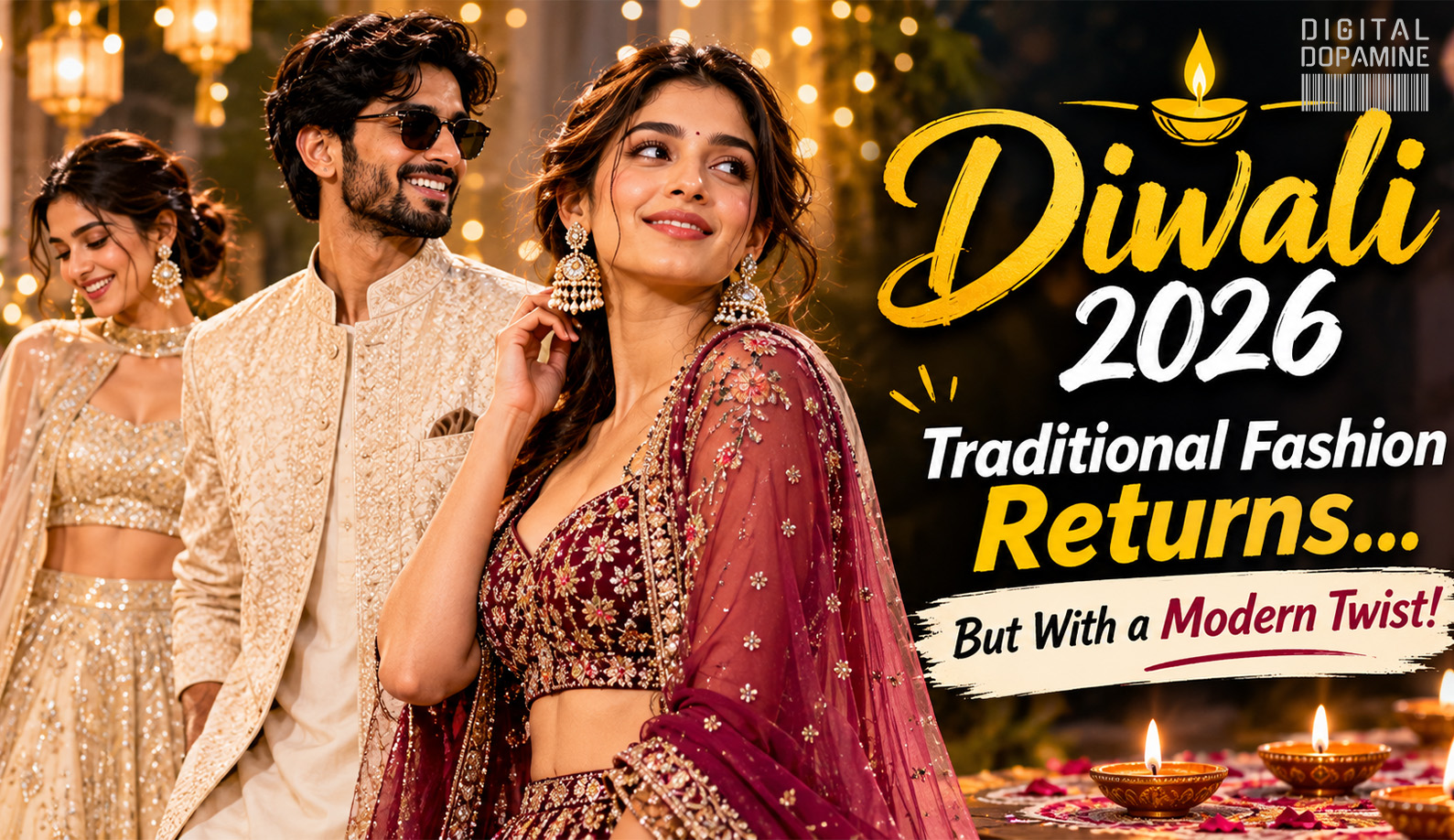
Diwali has always been a time when fashion becomes part of the celebration. From elegant sarees and embroidered lehengas to classic kurta sets, traditional Indian clothing has a special place in the festival. But in 2026, festive dressing is getting an interesting makeover. Instead of simply choosing heavily embellished outfits, people are finding new ways to combine traditional craftsmanship with modern designs.
The result? Fashion that celebrates Indian culture while reflecting today's lifestyle.
This year's festive fashion conversation is centred around individuality, comfort and creativity. Vintage sarees are returning to wardrobes, traditional textiles are appearing in contemporary silhouettes, and familiar outfits are being styled in ways that feel fresh. The idea is no longer just to look festive. It is to create a look that feels personal.
1. Traditional Sarees Are Getting a Contemporary Makeover
The saree remains one of India's most timeless outfits, but the way people wear it is changing. Pre-draped sarees, experimental blouse designs and unconventional styling are giving this traditional garment a modern identity.
Instead of the usual styling, sarees are being paired with structured blouses, jackets and contemporary accessories. Some designs also feature modern draping techniques that make them easier to wear during long celebrations.
Another interesting trend is the return of vintage sarees. Family heirlooms from mothers and grandmothers are finding their way back into festive wardrobes. Rather than leaving these beautiful pieces untouched, people are styling them with modern blouses and accessories.
It is a refreshing way to celebrate tradition without making it feel outdated.
2. Lehengas Are Becoming Lighter and More Versatile
For many people, Diwali dressing traditionally meant choosing elaborate lehengas with heavy embroidery and multiple layers. In 2026, the approach is becoming more flexible.
Flowing skirts, lighter fabrics and unconventional blouse designs are bringing a new feel to festive lehengas. Structured tops, corset-inspired blouses and statement sleeves are adding contemporary details without taking away the traditional appeal.
The focus is also shifting towards versatility. An outfit that can be styled differently for a family gathering, festive dinner or another celebration offers more value than something designed for just one occasion.
The modern lehenga is not necessarily about wearing more. It is about choosing the right details.
3. Fusion Wear Is Finding Its Place in Festive Fashion
One of the most noticeable changes in Indian festive fashion is the growing popularity of fusion wear.
Traditional kurtas are being paired with wide-leg trousers, tailored pants and contemporary bottoms. Jackets, capes and layered tops are also becoming interesting alternatives to conventional dupattas.
For women, a traditional embroidered top with modern trousers can create an elegant festive look. For men, shorter kurtas, wider trousers and layered jackets are offering a fresh alternative to the familiar kurta-pyjama combination.
These combinations allow people to experiment with their personal style while keeping Indian elements at the centre of the outfit.
4. Heritage Fabrics Are Becoming Fashion Statements
Traditional Indian textiles are receiving renewed attention, and this is one of the most meaningful developments in festive fashion.
Banarasi silk, Bandhani, Patola, Mashru and other heritage fabrics are being presented through updated designs and styling. Instead of using traditional textiles only in conventional outfits, designers are experimenting with jackets, contemporary skirts, fusion sets and modern silhouettes.
A recent example is Alia Bhatt's Diwali look, which featured a gold Banarasi jacket suit paired with tailored pencil pants. The outfit brought together traditional textile craftsmanship and a contemporary shape, showing how heritage clothing can work beautifully in modern wardrobes.
This trend is about more than appearance. It also creates an opportunity to appreciate the craftsmanship and stories behind India's textile traditions.
5. Comfort Is Becoming Just as Important as Glamour
Festive celebrations can last for hours. Between family gatherings, prayers, photographs, food and parties, an uncomfortable outfit can quickly become difficult to manage.
That is one reason lighter fabrics and more fluid silhouettes are receiving attention. Organza, tissue, georgette, satin and other textured materials are being used to create outfits that look festive without feeling unnecessarily heavy.
The same thinking applies to accessories. Rather than wearing several statement pieces together, many modern looks focus on one standout element, such as a bold necklace, distinctive earrings or an elegant choker.
The aim is to look dressed up while still feeling comfortable enough to enjoy the celebration.
6. Men's Festive Fashion Is Moving Beyond the Classic Kurta
The modern festive fashion conversation is not limited to women. Men's ethnic wear is also evolving through new proportions, layering and accessories.
Classic kurta-pyjama combinations are being updated with wider trousers, shorter kurtas, bandhgalas and contemporary jackets. Traditional embroidery and mirror work are also appearing in more experimental designs.
Accessories are adding another dimension. A statement ring, brooch or necklace can give a simple outfit a distinctive festive character.
These changes show that men's traditional fashion is becoming more expressive, with greater room for personal styling.
7. Personal Style Is More Important Than Following Every Trend
Social media has made festive fashion more visible than ever. Every celebration brings new outfit inspiration, celebrity looks and styling ideas. But following every trend can make fashion feel repetitive.
One of the strongest ideas emerging in 2026 is the importance of individual style. A vintage saree from a family wardrobe, a simple kurta with an interesting jacket or a traditional outfit styled with modern accessories can create a memorable look without requiring an entirely new wardrobe.
Instead of buying something new for every occasion, people can experiment with clothes they already own. Repeating an outfit with a different blouse, jacket or accessory can make it feel completely different.
That approach also makes festive fashion more thoughtful and sustainable.
The Future of Diwali Fashion: Tradition Meets Individuality
Diwali 2026 highlights an interesting shift in Indian fashion. Traditional clothing is not disappearing or being replaced by Western styles. Instead, it is evolving through new silhouettes, creative combinations and changing lifestyle preferences.
From contemporary sarees and lighter lehengas to heritage fabrics and modern menswear, the focus is on finding a balance between cultural identity and personal expression.
Perhaps that is what makes this year's fashion conversation interesting. Looking festive does not have to mean following a fixed dress code or choosing the heaviest outfit. Sometimes, a traditional piece styled in an unexpected way can make a much stronger statement.
At Digital Dopamine, we believe the most interesting trends are the ones that connect culture with the way people live today. And this Diwali, fashion is proving that tradition never has to stand still to remain timeless.
Comments
Leave a comment Replying to
Comments are reviewed before they appear. Your email is never published.