
Cities: Skylines 2: Ultimate Guide to Building a Powerful City
Master Cities: Skylines 2 with expert tips on planning, zoning, traffic, services, and climate strategy for a thriving metropolis.
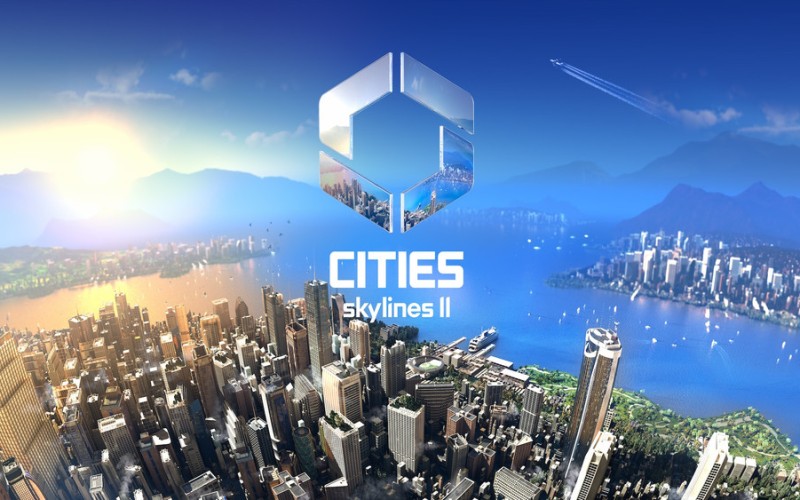
Mastering Cities: Skylines 2 takes more than placing roads and zones—it demands strategic planning, smart resource management, and dynamic decision-making. This enhanced guide expands on core principles with deeper insights and advanced tactics, equipping you to build cities that flourish.
1. Understand Your Map’s DNA
Your map shapes the core identity of your city. Analyze every element:
-
Theme & Traffic Rules: Decide early on left- or right-hand traffic. It’s irreversible and foundational to road design.
-
Climate & Latitude:
-
Temperate: Balanced seasons. Prepare for winter road salt, spring rain, summer festivals.
-
Continental: Extreme temperature swings demand more energy and seasonal service planning.
-
Polar/Arctic: Frozen winters require heated water pipes, winter-ready road maintenance, and daylight adjustments.
-
-
Natural Resources & Industry Zones:
-
Identify coal, oil, fertile land, forestry, and minerals.
-
Localized resource zones save on transport and boost industry productivity.
-
-
Buildable Tiles:
-
Towns naturally expand to new tiles as you hit milestones—but buying all too soon wastes funds.
-
Leave space for future infrastructure (e.g. water tunnels, power stations).
-
Why It Matters: Each map attribute influences everything from energy usage and pollution to industry and aesthetics. Thoughtful choices now reduce future headaches.
2. Climate-Driven Strategy
Weather isn’t just decoration—it affects city-wide behavior, budgets, and maintenance:
-
Rain & Snow:
-
Increases demand for indoor leisure, roads clog, and chains on snowplows/spreaders are vital.
-
-
Temperature Extremes:
-
Cold spikes: heating demand soars; prepare energy and fuel reserves.
-
Hot summers: air conditioning strains the grid—think solar or geothermal power to offset peak usage.
-
-
Seasonal Road Damage: Freeze-thaw cycles degrade pavement; early road networks should include maintenance hubs.
Pro Tip: Set aside a 5% budget buffer in winter for extra energy usage, emergency crews, and repairs.
3. Milestones & Development Points
City progression is powered by Expansion Points (XP) and smart payouts:
-
XP is earned by growing population, unlocking building upgrades, and fulfilling service needs.
-
Milestones reward:
-
Cash injections
-
Unlockable city districts
-
Advanced infrastructure (e.g. sewage treatment, public transit)
-
-
Development Points (DP) unlock new assets—roads, utilities, education, green zones.
Spend DP strategically:
-
Early: unlock basic roads and utilities.
-
Mid-game: prioritize schools, hospitals, and public transit.
-
Late-game: deploy green energy plants, tourism facilities, and disaster prep.
Pro Tip: Don't auto-spend—build a DP reserve for when crucial infrastructure is unlocked.
4. Pause with Purpose
Pause isn’t just for building—it's your strategic planning tool:
-
Zone districts and create road layouts in pause mode to prevent traffic jams.
-
Build utilities (water, electricity) before population influx.
-
Stagger transition from zones to roads, services, and parks for clarity and efficiency.
Pro Tip: Use Quick-Load to experiment: build, unpause, test, reload. Learn without long-term consequences.
5. Scale Zoning Smartly
Avoid “sprawl syndrome”—mass zoning early leads to slow growth and financial strain:
-
Begin with small 4×4 low-density residential zones.
-
Match commercial and industrial to housing build timing—use the Demand Meter to guide placement.
-
Introduce mixed-use zones mid-game to balance housing and jobs.
Advanced Tip: Rotate zone grids slightly to add variety and road aesthetics.
6. Simplify City Layout
Inspired by real-life efficiency:
-
Use gridded street layouts, roundabouts, and one-way loops.
-
Avoid over-designed overpasses—every curve and intersection is a build + maintain cost.
-
Learn popular pre-built intersections—cost-effective and efficient.
Community Insight: Research grid-based cities like Chicago or Barcelona for reference.
7. Zone-When-Needed Zone Strategy
Overzoning kills growth. Use this phased approach:
-
Zone residential ➞ pause and check for service coverage (education, parks, clinics).
-
Add commercial once residential shows stable population.
-
Zone industrial after commercial demand rises—residential zones support commuting.
Pro Tip: Leave blank expansion zones—it allows flexibility for future road extensions or upgraded services.
8. Build Upgrades Only When Necessary
Upgrades like added hospital wings or traffic sensors are expensive:
-
Wait until there’s consistent need (e.g. high sick rates, traffic accidents).
-
Some upgrades are permanent—use tooltips to understand long-term upkeep before purchasing.
9. Master Pollution Control
A top city killer, pollution is manageable with good planning:
-
Identify plume range visualizers in metro view to spot pollution spread.
-
Separate industry and sewage far from residential—use wind patterns to guide placement.
-
Switch to renewables (wind, solar, hydro) as soon as capacity allows.
-
Consider wastewater treatment plants over landfills for cleaner water management.
Professional Tip: Use tree belts and green buffers around residential areas to absorb smog and reduce sound pollution.
10. Districts Enable Focused Policies
Districts create identity and efficiency:
-
Assign regulations like “no large trucks,” “car-free zones,” or “eco-districts”.
-
Use them to manage small or large areas independently—like a university zone with student housing and strict traffic rules.
-
Monitor district data via info panels to adjust strategies.
11. Public Transit Early is Key
Traffic jams slow growth and happiness:
-
Unlock bus lines at milestone four—start with two lines connecting residential and commercial.
-
Add taxi stands, tram hubs, metro stations, and regional train as coverage expands.
-
Balance transit with road closures in some zones to reduce car dependency.
Pro Tip: Keep transit costs below 10–12% of your budget. Gradually scale lines as ridership grows.
12. Actively Listen & React
Chirper is your intelligence network:
-
Watch for repeated complaints—noise, crime, traffic, lack of schools or jobs.
-
Pinpoint problem locations via “Follow Citizen” tool.
-
Deploy services like clinics, bus stops, or parks based on public feedback.
13. Strategic Budget & Tax Management
Solvency is key to growth:
-
Ramp up taxes by +0.5–1% slowly to meet new service costs.
-
Monitor zone abandonment after tax hikes—use Chirper to affirm stability.
-
Manage city services with careful budget cuts—dropping too low reduces quality and boosts complaints.
Edge Tip: Add small fees on services (like bus commute charges) to raise revenue without raising taxes city-wide.
14. Disaster Preparedness from Day One
Even if optional, disasters impact growth:
-
Build Emergency Shelters and install Early Warning Systems early.
-
Well-instituted networks (fire, police, rescue) reduce damage and recovery costs.
-
Use hazard area warnings to place strategic infrastructure away from risk zones.
15. Explore Hidden Features
-
Always Daylight toggle: ideal for build-focus gameplay.
-
Info overlays—hover for deeper metrics (e.g. noise, pollution, property value).
-
Analytics panels—offer long-term insights into growth, income, and zone trends.
Quick Reference Table
| Strategy | Why It Matters | Pro-Level Tip |
|---|---|---|
| Map Analysis | Climate, traffic rules shape city | Use ORS (Open Resource Sites) mod to visualize map stats |
| Climate Planning | Affects energy, services | Build solar in sunny zones + hydro in wet zones |
| Milestone Focus | Unlocks game-critical services | Store 20% DP until needed |
| Pause Building | Strategize without chaos | Pre-plan three zones before unpausing |
| Smart Zoning | Balanced growth avoids debt | Test 4x4 grids before scaling |
| Sector Separation | Avoid pollution overlap | Use green belts between zones |
| Transit Prioritization | Keeps traffic flowing | Enforce bus/tram first mass transit rule |
| Citizen Feedback | Accurate intelligence | Use Chirper analytics tools |
| Budget Control | Funds growth and services | Cap service cost growth to +0.5% over time |
| Disaster Planning | Minimizes recovery loss | Build shelters proportionate to city size |
Your Path to City Success
By combining strategic planning, climate-savvy tactics, fiscal discipline, proactive expansions, and citizen-centered services, your city will become a sustainable and thriving metropolis.
Now go ahead—build a city that lasts, evolves, and becomes a shining example of smart urban design in Cities: Skylines 2.



Comments
Leave a comment Replying to
Comments are reviewed before they appear. Your email is never published.