
Top Skills You Need to Future-Proof Your Career
Stay ahead in your career with top future-proof skills like adaptability, tech-savviness, and emotional intelligence.
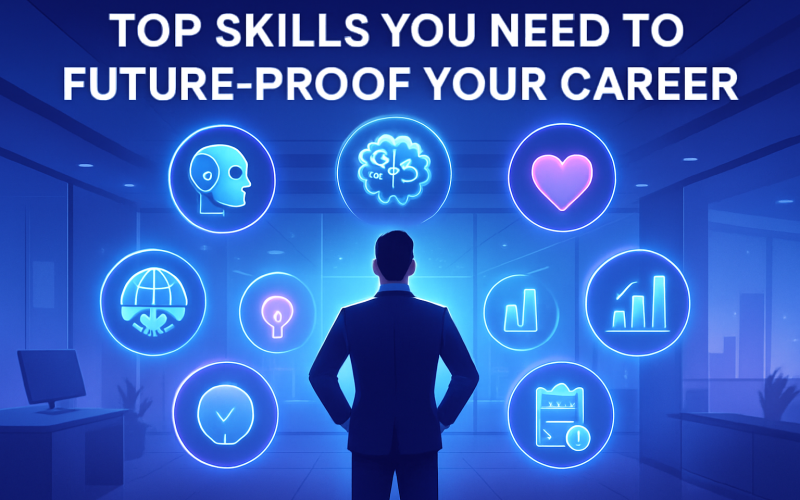
In a world where AI writes code, robots perform surgeries, and remote work is the norm, staying relevant in the job market is more challenging than ever. The workplace is undergoing a dramatic transformation, and traditional career paths are being rewritten. If you want to future-proof your career, it’s no longer enough to just be good at your job — you must evolve with technology, embrace lifelong learning, and develop a skill set that adapts with change. So, what exactly are the top skills you need to stay ahead in this fast-paced, tech-driven future? Let’s explore the key abilities that will keep your career not just secure, but thriving.
- Digital Literacy and Tech Fluency
- Basics of AI and machine learning
- Understanding data analytics
- Cloud computing and cybersecurity awareness
- Tools like Excel, Google Workspace, Notion, and productivity apps
- Adaptability and Agility
- Embrace change with a growth mindset
- Learn new skills on the fly
- Shift roles or projects without resistance
- Complex Problem Solving
- Break down complex challenges
- Think critically and analytically
- Find innovative solutions even with limited data
- Emotional Intelligence (EQ)
- Active listening
- Conflict resolution
- Leadership presence
- Empathy and cultural awareness
- Data Literacy
- Read charts and dashboards
- Ask smart questions based on metrics
- Use data to support decisions
- Cross-Cultural Communication
- Clear virtual communication skills
- Cultural sensitivity and inclusiveness
- Awareness of global etiquette and work habits
- Creativity and Innovation
- Think differently
- Develop new products or approaches
- Improve existing systems with fresh ideas
- Self-Management and Discipline
- Excellent time management
- The ability to set and meet goals
- Self-motivation and accountability
- Lifelong Learning
- Taking online courses
- Staying updated with trends
- Reading, listening to podcasts, and upskilling regularly
- Ethical Thinking and Digital Responsibility
- Privacy and data ethics
- Sustainability
- Fairness in AI systems
- Inclusive design
Final Thoughts: Future-Proofing Is About Mindset
In the end, the tools and platforms will keep changing — but your mindset is what will keep you relevant. If you’re willing to stay curious, learn constantly, adapt quickly, and lead with empathy, your career won’t just survive the future — it will thrive in it. So start now. Identify one new skill you can begin learning this month — whether it’s data storytelling, public speaking, or using AI tools. Because the future won’t wait — but it will reward those who are ready.
Comments
Leave a comment Replying to
Comments are reviewed before they appear. Your email is never published.