
Tech-Driven Interior Design in 2025
Discover how smart tech, AR, and AI are transforming interior design in 2025—creating personalized, efficient, and stunning spaces
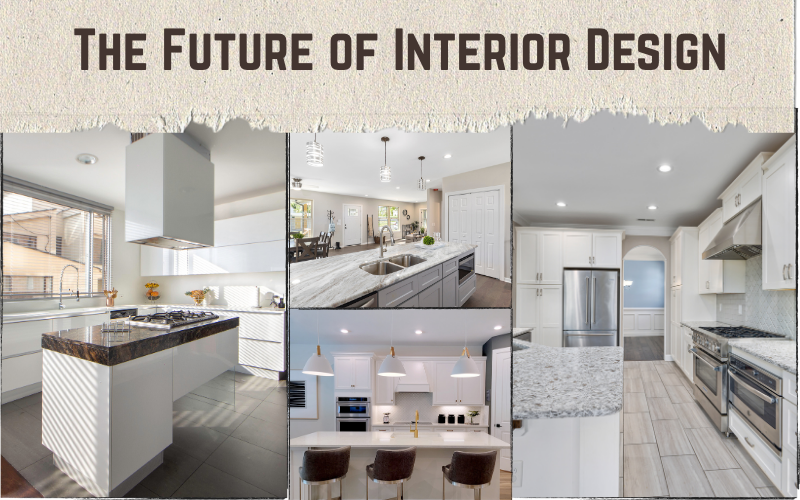
Interior design has always been a discipline that balances aesthetics with functionality. But in 2025, the landscape has evolved far beyond paint swatches and mood boards. Today, technology is not just supporting design—it’s transforming it. From AI-generated layouts to immersive virtual reality walkthroughs, technology has become central to how designers conceptualize, present, and personalize spaces.
Let’s explore how technology is reshaping interior design in 2025, and what this means for designers, clients, and the future of living and working environments.
Why Technology Matters in Modern Interior Design
As digital tools become more advanced and accessible, interior designers are using them to:- Improve efficiency in planning and execution
- Offer immersive client experiences
- Enhance customization and personalization
- Promote sustainability through data-driven decisions
- Stay competitive in a fast-paced, tech-savvy market
- 3D Visualization and Virtual Walkthroughs
- Clients can “walk through” their space virtually before construction begins.
- Changes to layout, materials, and lighting can be previewed instantly.
- Reduces misunderstandings between clients and designers.
- Enscape, Twinmotion, and Unreal Engine for real-time rendering
- Integration with smart glasses and VR headsets for immersive previews
- Augmented Reality (AR) for Real-Time Design Adjustments
- Visualize how different design elements will look in a live environment
- Try multiple color palettes and layouts on the spot
- Improve remote collaboration with clients and contractors
- Artificial Intelligence (AI) and Smart Design
- Style Prediction: AI algorithms analyze client preferences to recommend layouts, colors, and themes.
- Space Optimization: AI tools can calculate optimal furniture placement for aesthetics and flow.
- Smart Assistants: Virtual design assistants help clients shop for pieces that match the existing interior or suggest alternatives based on budget and sustainability.
- 3D Printing: Bespoke Furniture at Lightning Speed
- Custom furniture, lighting fixtures, and architectural elements
- Fast prototyping and small-batch production
- Use of sustainable or recycled materials to reduce environmental impact
- Smart Materials and Intelligent Interiors
- Photochromic glass that adjusts tint based on sunlight
- Self-healing tiles that repair minor cracks automatically
- Biophilic surfaces that purify air or change with temperature
- Enhances sustainability and energy efficiency
- Offers comfort and utility without sacrificing style
- Appeals to eco-conscious and wellness-focused clients
- Home Automation and IoT Integration
- Voice-controlled lighting, climate, and blinds
- Smart furniture with built-in charging and lighting
- Kitchen appliances synced to digital home hubs
- Sustainability Through Tech
- AI simulations for energy use and material efficiency
- 3D-printed furniture using biodegradable composites
- Smart lighting and HVAC systems that reduce energy waste
- Sustainable databases like Mindful Materials and GreenSpec
- Personalized Experiences Like Never Before
- AI-generated design suggestions based on client behavior
- Smart mirrors and wall panels that display curated content
- Mood-responsive lighting that adapts to emotions
- Remote Collaboration and Global Design
- Cloud-based CAD tools and file-sharing platforms
- VR meetings with 360° room simulations
- AI-powered translators for global clients
- What's Next? The Future Beyond 2025
- Generative AI tools that co-create designs in real time
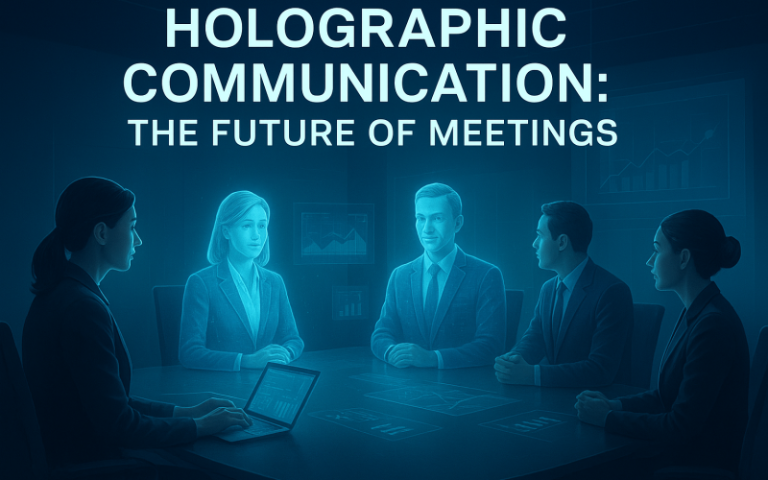
- Holographic modeling for life-size spatial planning
- Digital twins that simulate space performance and usage over time
Key Takeaways for Designers in 2025
- Stay Updated: Learn emerging tools like AI design assistants and 3D rendering software.
- Embrace Collaboration: Use AR/VR to enhance client communication and approval processes.
- Be Green-Minded: Integrate sustainable materials and energy-saving technologies by default.
- Think Holistic: Design for tech integration—smart homes are the new standard.
- Prioritize Experience: Spaces should feel as good as they look. Use mood lighting, smart textures, and sensory tech to enhance comfort.


Comments
Leave a comment Replying to
Comments are reviewed before they appear. Your email is never published.