
Spatial Computing: Merging Real and Virtual Worlds
Explore the rise of spatial computing and how it’s blending the real and virtual worlds, transforming technology and our daily lives.
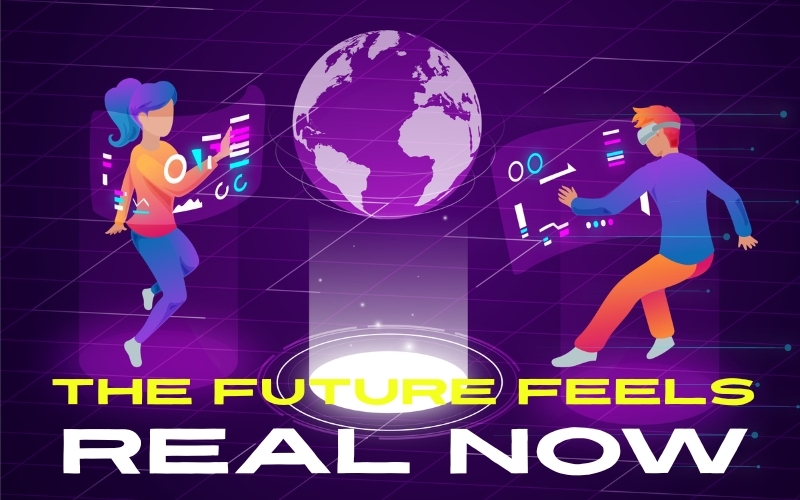
Technology has never stopped evolving, but 2025 is proving to be a landmark year for something truly revolutionary—spatial computing. From tech giants like Apple and Meta to startups you’ve never heard of (yet), everyone is talking about this futuristic blend of the physical and digital world.
But what exactly is spatial computing, and why is it suddenly the hottest trend in tech? Let’s break it down.
What is Spatial Computing?
In the simplest terms, spatial computing is a technology that allows digital content to exist and interact with the real world. Think of it as the next level of augmented reality (AR), virtual reality (VR), and mixed reality (MR)—all combined into one powerful experience. Using devices like AR glasses, headsets, and even your smartphone, spatial computing enables digital objects to behave as if they’re part of the physical environment. You can walk around them, interact with them, and even manipulate them in real time. Imagine placing a virtual chess board on your coffee table and playing with a friend halfway across the world—without needing a screen. That’s the kind of experience spatial computing delivers.Why It’s Booming in 2025
The hype around spatial computing isn’t just a tech bubble. Several key factors are fueling its rise:- Apple Vision Pro: Apple’s entrance into the spatial computing space with its Vision Pro headset has created massive buzz. Unlike earlier VR devices, Vision Pro focuses on merging the digital with the real in a seamless, intuitive way. No controllers. Just eyes, hands, and voice.
- 5G and Edge Computing: Faster, low-latency networks make it possible to process large amounts of data in real time. This means smoother experiences and more realistic virtual objects that respond quickly to the environment.
- AI and Sensor Fusion: AI now enables better tracking of movement, space, and even your hand gestures. Combined with sensors that map physical surroundings, spatial computing is becoming more precise and lifelike.
Everyday Uses That Feel Like Sci-Fi
What makes spatial computing so fascinating is how it’s creeping into everyday life:- Education: Students can now explore the human body or travel through ancient Rome in 3D without ever leaving the classroom.
- Healthcare: Doctors are using spatial computing for remote surgery training, patient diagnostics, and even therapy for trauma and anxiety.
- Design and Architecture: Professionals can now build and test entire 3D models of buildings and interiors before laying a single brick.
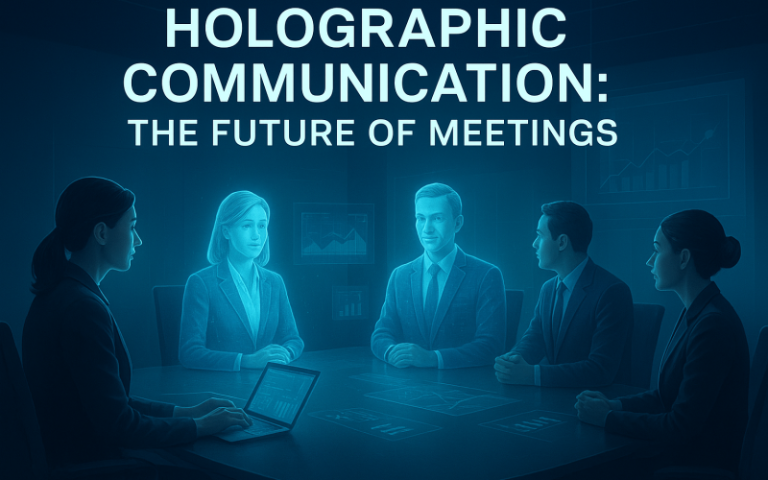
- Work and Collaboration: Remote meetings are getting a serious upgrade. Instead of flat video calls, people are collaborating around virtual whiteboards and 3D models in immersive environments.
The Gaming and Entertainment Factor
Gaming, of course, is where spatial computing is really catching fire. Titles are being designed to interact with your actual surroundings, turning your living room into a battlefield, a dance floor, or a puzzle-filled maze. Music concerts, movies, and sports events are also going immersive. Imagine sitting front row at a concert from your bedroom, feeling like you’re part of the crowd. That’s where we’re headed.Challenges Still Exist
Despite the excitement, spatial computing isn’t without hurdles. Devices like the Vision Pro are expensive and not yet widely adopted. Battery life, weight, and motion sickness are still issues that developers are racing to solve. Privacy is also a big concern. When devices can track your surroundings, movements, and even your eye direction, the potential for data misuse grows. Regulation and ethical frameworks are urgently needed to ensure this technology doesn’t compromise user safety.What’s Next?
The potential of spatial computing is enormous. Experts predict that in the next few years, we’ll see:- Lighter, cheaper headsets that replace traditional screens.
- Spatial operating systems that allow users to run multiple apps in their physical environment.
- Everyday use cases like virtual shopping, travel previews, and spatial social media where holograms replace profile pics.

Comments
Leave a comment Replying to
Comments are reviewed before they appear. Your email is never published.