

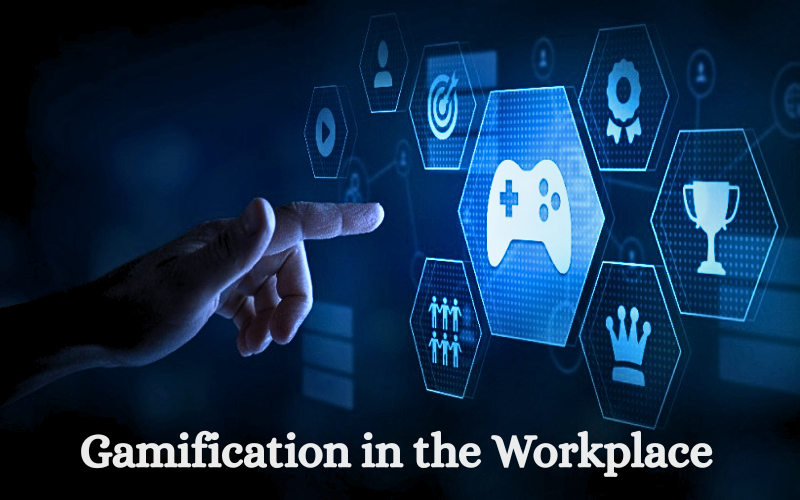
In 2025, gamification is more than just a workplace trend—it’s a strategic powerhouse. What once seemed like a gimmick has become a proven method to engage teams, boost performance, and foster a culture of continuous improvement. With over 70% of Fortune 500 companies now integrating gamification in some form, the modern workplace is evolving—into something more dynamic, motivational, and human-centered.
But why does gamification work so well? And how can organizations use it to drive real change? Let’s break it down.
🧠 The Psychology Behind Gamification: Why It Works
At the heart of gamification lies our brain’s craving for reward, progress, and recognition. Here’s how it connects to neuroscience and behavioral psychology:
🧪 Dopamine & Motivation
- Dopamine, often called the “motivation molecule,” plays a crucial role in how we pursue goals.
- Research shows that when people achieve something—even a small win—their brains release dopamine, reinforcing the behavior and encouraging them to continue.
- Gamified elements like points, levels, and badges trigger this feedback loop, creating motivation through positive reinforcement.
🎯 Goal-Oriented Behavior
Games provide:
- Clear objectives
- Immediate feedback
- Incremental progress
These are the same elements missing from many traditional work environments. Gamification introduces them in a way that feels intuitive and rewarding.
🧱 Behavioral Conditioning
- Micro-rewards train the brain to enjoy the process, not just the result.
- Employees become more likely to stay engaged, push through challenges, and adapt to new goals over time.
✅ Core Benefits of Gamification in the Workplace
Gamification aligns with the Self-Determination Theory—a psychological framework that emphasizes three core human needs:
- Competence – The Need to Feel Skilled and Successful
- Encourages mastery by tracking performance and achievements.
- Breaks down large tasks into manageable challenges.
- Celebrates growth with badges, certificates, and milestones.
- Autonomy – The Desire for Control and Choice
- Allows employees to choose how and when to complete goals.
- Offers freedom in approach while maintaining accountability.
- Customizable dashboards let users set and track personal objectives.
- Relatedness – The Need to Connect with Others
- Encourages team collaboration through shared missions and challenges.
- Creates a culture of peer recognition with leaderboards, shoutouts, and team wins.
- Fosters a sense of belonging—even in hybrid or remote environments.
🧩 Popular Gamification Models in 2025
Gamification is being applied across nearly every department. Here’s how companies are embedding game design into daily work:
🔧 Onboarding and Training
- Interactive modules mimic game quests, helping new hires learn faster and retain more.
- Progress bars and quizzes make learning visual, goal-driven, and less overwhelming.
📊 Performance Dashboards
- Real-time data visualization empowers employees to track their KPIs.
- Gamified interfaces show achievements, progress levels, and team rankings.
🧘♀️ Wellness Programs
- Fitness challenges (e.g., step goals, hydration tracking).
- Mindfulness streaks and self-care achievements.
- Incentives tied to health insurance discounts or wellness days off.
💼 Sales Gamification
- Live leaderboards track outreach, conversions, or revenue.
- Teams “level up” or unlock bonuses by reaching predefined goals.
- Friendly competitions increase camaraderie and performance.
🤖 AI & Micro-Goals
- AI-driven systems suggest personalized micro-goals daily.
- These small tasks build momentum while reducing burnout risk.
- Adaptive gamification tailors experiences to each employee’s rhythm.
👥 Catering to Different Motivation Styles
Different people are motivated by different types of gameplay. In 2025, organizations are customizing gamification to fit individual preferences:
👑 Competitive Games
- Ideal for: Sales, marketing, and performance-based roles.
- Features: Leaderboards, challenges, head-to-head matchups.
- Popular with: Gen Z professionals and those who thrive on recognition.
🧩 Completion-Based Challenges
- Ideal for: Project managers, developers, admin staff.
- Features: Task lists, timelines, “mission complete” badges.
- Appeals to: Employees who love structure and closure.
🎨 Creative Exploration
- Ideal for: Designers, strategists, and R&D teams.
- Features: Sandbox-style progress, innovation-based scoring.
- Focus: Iteration, collaboration, and idea generation.
📌 How to Build Sustainable Motivation
Gamification isn’t magic—it needs structure and long-term thinking. Here’s how to implement it effectively:
🧠 1. Make Motivation a Daily Habit
- Don’t wait for quarterly goals—reward micro-achievements daily.
- Use “streaks” and short-term quests to build momentum.
- Integrate game elements into everyday tasks (e.g., CRM check-ins, feedback loops).
🔄 2. Provide Real-Time Feedback
- Let employees see their status instantly.
- Celebrate wins publicly—via Slack bots, team dashboards, or in-person meetings.
- Use data to provide constructive nudges, not just praise.
🎯 3. Set SMART Goals
Make sure gamified goals are:
- Specific – Clearly defined outcomes (e.g., “Send 3 follow-up emails/day”).
- Measurable – Tracked through real metrics or software.
- Achievable – Balanced with realistic workload expectations.
- Relevant – Aligned with company goals and personal development.
- Time-bound – With built-in deadlines and review periods.
📱 Gamification Tools Driving 2025 Workspaces
Here are some cutting-edge platforms making gamification practical and scalable:
⭐ Top Gamification Platforms in 2025
- TopRung – Transforms sales pipelines into competitive games with real-time updates and rankings.
- YuMuuv – Drives wellness through gamified daily activity, fitness, and hydration challenges.
- Bunch.AI – Uses behavioral science to gamify soft skill development and team feedback.
- Kahoot! 360 Engage – A learning platform used for gamified training sessions and knowledge retention.
- VRGamify – Immersive training and simulations for skills like customer service or warehouse safety.
🌍 Gamification for Remote and Hybrid Teams
Gamification is especially effective for remote and hybrid models—a dominant structure in 2025.
Key Advantages:
- Creates Transparency – Everyone knows how they’re doing and what’s expected.
- Reinforces Structure – Remote employees get feedback and recognition regularly.
- Fosters Belonging – Weekly team challenges and digital awards keep employees connected.
🛠 Pro Tip: Use asynchronous games and mobile-compatible platforms to ensure engagement across time zones.
🔮 The Future of Gamification: What’s Next?
As AI and XR (extended reality) continue to evolve, gamification will become:
- More personalized – AI will tailor challenges to individual energy levels and work styles.
- More immersive – AR/VR will allow full gamified experiences during onboarding, training, and team-building.
- More integrated – Gamification will blend with productivity tools like Notion, Slack, and MS Teams.
🧭 Final Takeaway: The Game Has Changed
Gamification in 2025 is about more than badges and points—it’s about building better habits, motivating people with purpose, and creating workplaces that are as engaging as they are productive.
By understanding the psychology, leveraging the right tools, and tailoring the experience to different types of workers, companies can unlock the full potential of gamified work. Whether you’re managing a remote team, training new hires, or leading a high-performing sales force, gamification offers a science-backed, future-proof way to drive real results.