





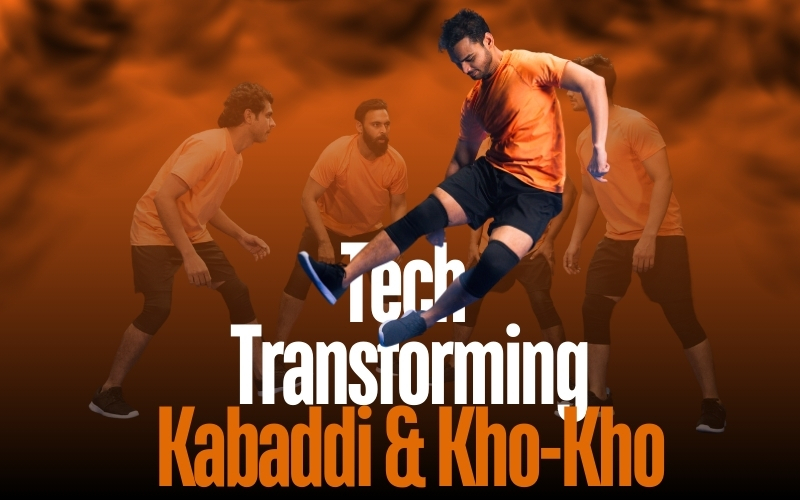
India is a country rich in sporting traditions. While cricket often grabs the headlines, there’s a whole world of traditional sports like Kabaddi and Kho-Kho that have been played for centuries in villages, towns, and cities across the country. These games are not just sports; they are part of India’s cultural heritage. But as the world moves forward, even these age-old games are getting a modern twist—thanks to technology.
In this blog, let’s explore how technology is transforming traditional Indian sports, making them more exciting, accessible, and competitive than ever before.
The Roots of Kabaddi and Kho-Kho
Before diving into tech, it’s important to understand the significance of Kabaddi and Kho-Kho.
- Kabaddi is a fast-paced, contact sport where a single player, the “raider,” runs into the opponent’s half, tags players, and returns without being caught. It requires strength, agility, and strategy.
- Kho-Kho involves two teams chasing each other, tagging opponents in a game of speed and teamwork.
Both sports have been part of Indian village life for generations. However, they traditionally lacked the professional infrastructure, media attention, and technological tools that sports like cricket or football enjoy.
Why Technology is Needed in Kabaddi and Kho-Kho
While traditional sports have immense popularity at grassroots levels, several challenges have limited their growth:
- Lack of professional training and coaching facilities.
- Limited broadcasting and media coverage.
- Difficulty in engaging younger, tech-savvy audiences.
- Challenges in injury prevention and performance analysis.
Technology is stepping in to solve these problems and more, making these sports fit for the 21st century.
Tech Innovations Changing the Game
1. Wearable Devices and Performance Tracking
Athletes today use wearable sensors to monitor heart rate, speed, jumps, and more during training. For Kabaddi and Kho-Kho players, this means coaches can get detailed data on endurance, agility, and even breathing patterns.
This information helps tailor training sessions, improve stamina, and reduce the risk of injuries. For example, in professional Kabaddi leagues, teams use GPS trackers and motion sensors during matches to analyze player movements and optimize strategies.
2. Video Analytics and Instant Replay
Video analysis tools have made a huge impact. Matches can be recorded and reviewed to study player behavior, spot strengths and weaknesses, and prepare better for opponents.
Instant replay technology, now used in Pro Kabaddi League (PKL) matches, ensures referees make accurate decisions, increasing the fairness and professionalism of the sport.
3. Virtual Reality (VR) and Simulation Training
Though still in early stages, VR is starting to enter sports training. Imagine a Kabaddi player practicing raids and dodges in a virtual arena or a Kho-Kho player improving reflexes with simulated scenarios.
This immersive tech can improve reaction times, decision-making, and muscle memory — all without physical strain.
4. Digital Platforms and Streaming
One of the biggest boosts to traditional sports has come from digital media. Platforms like YouTube, Hotstar, and JioCinema stream Kabaddi and Kho-Kho matches live, reaching millions of viewers who otherwise would never watch these games.
Social media channels, including Instagram and TikTok (now replaced by Indian apps), showcase highlights and behind-the-scenes moments, making these sports trendy among youth.
5. Data Analytics and AI
Advanced data analytics, powered by AI, help teams analyze past match data and player statistics to create winning game plans. This data-driven approach is slowly becoming a norm in leagues like the PKL.
Even grassroots coaches are beginning to use apps and software to monitor player progress and keep track of fitness.
The Impact on Players and Fans
Technology isn’t just benefiting players; fans and the entire ecosystem are experiencing a revolution.
- Better Fan Engagement: Fans can watch matches anytime, anywhere, and interact on social media, creating a lively fan community.
- Increased Sponsorship and Investments: With better broadcasting and analytics, traditional sports are attracting brands, improving player pay, and upgrading facilities.
- Global Reach: Indian traditional sports are gaining international attention. Countries with a diaspora or cultural interest in India are tuning in, thanks to tech-driven broadcasting.
- Youth Participation: Technology makes these games more accessible and cool for young players, encouraging more participation.
Challenges and The Road Ahead
While technology is making waves, there are challenges too:
- High costs of advanced tech may limit its availability in rural areas.
- Resistance from traditionalists who prefer the old ways.
- Need for better infrastructure to fully utilize tech innovations.
However, the future looks promising. The government and private sectors are increasingly investing in digital tools, smart stadiums, and athlete development programs to bring these sports into the mainstream.
Conclusion: Tradition and Technology Hand in Hand
The beauty of Kabaddi and Kho-Kho lies in their simplicity and rich heritage. But technology is helping preserve and elevate these sports for a new generation.
From wearables tracking every sprint to digital platforms broadcasting matches worldwide, tech is not replacing tradition — it’s enriching it. The result? A fresh, exciting era where Indian traditional sports shine brighter than ever on national and global stages.
If you thought Kabaddi and Kho-Kho were just village games, think again. With technology fueling their growth, they are fast becoming symbols of India’s sporting future.


