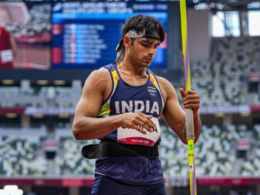



Whether you’re training for your first 10K, hitting the gym three times a week, or playing recreational sports on the weekend, what you eat plays a huge role in how you perform and recover. Yet, for many amateur athletes, diet is often an afterthought. The focus is on workouts, drills, and equipment—but nutrition is the real game-changer. A well-balanced diet doesn’t just fuel performance; it also boosts energy, speeds up recovery, and reduces the risk of injuries.
So if you’re wondering what and when to eat to get the most out of your training, this blog is for you.
Why Nutrition Matters for Amateur Athletes
You don’t need to be a pro to benefit from a good diet. In fact, amateur athletes often juggle full-time jobs or studies alongside training. That means every workout counts—and the right nutrition helps you make the most of it.
Here’s what a good diet can help you do:
- Maintain energy during workouts
- Build and repair muscle
- Reduce fatigue and soreness
- Boost focus and endurance
- Support immune health
The good news? You don’t need fancy supplements or expensive plans. Just smart, balanced eating based on your goals and activity level.
Macronutrients: Your Core Nutritional Needs
Let’s break down the three main macronutrients that amateur athletes need to understand:
- Carbohydrates – Your Primary Energy Source
Carbs are your body’s fuel. When you work out, your muscles use glycogen, a form of energy derived from carbs. If you’re not eating enough carbs, you’ll feel sluggish and tired.
Best sources:
- Whole grains (brown rice, oats, quinoa)
- Fruits (bananas, berries, apples)
- Vegetables (sweet potatoes, beets, corn)
- Legumes (lentils, chickpeas, black beans)
For moderate-intensity training (3-5 days/week), aim for 45–60% of your daily calories from carbohydrates.
- Protein – The Building Block for Muscle Recovery
Protein helps repair muscles after workouts, especially strength or resistance training. It’s also essential for maintaining muscle mass and supporting your immune system.
Best sources:
- Lean meats (chicken, turkey, fish)
- Eggs and dairy (Greek yogurt, cottage cheese)
- Plant-based options (tofu, tempeh, lentils, chickpeas)
- Protein shakes (whey, pea protein)
Amateur athletes should aim for 1.2 to 2.0 grams of protein per kg of body weight daily, depending on the intensity and type of training.
- Fats – Long-Term Fuel and Recovery Support
Healthy fats support joint health, hormone function, and long-lasting energy, especially during longer, lower-intensity workouts.
Best sources:
- Avocados
- Nuts and seeds (almonds, chia, flax)
- Olive oil and other healthy oils
- Fatty fish (salmon, sardines)
Stick to 20–30% of your daily intake from fats, focusing on unsaturated fats and avoiding trans fats.
Timing Matters: When to Eat Around Workouts
Nutrition timing can make or break your workout. Here’s a simple breakdown of what to eat and when:
Before Training (1–3 hours prior)
Goal: Top off your energy stores.
Go for:
- Complex carbs + a bit of protein
- Example: Whole-grain toast with peanut butter and banana
Avoid high-fat or very high-fiber meals right before exercise—they slow digestion and can cause discomfort.
During Training (only if over 90 minutes)
Goal: Maintain energy and hydration.
Go for:
- Sports drinks, bananas, or energy gels for long sessions
- Water and electrolytes for hydration
After Training (within 30–60 minutes)
Goal: Replenish glycogen, repair muscle.
Go for:
- Protein + carbs combo
- Example: Chocolate milk, Greek yogurt with fruit, or a protein smoothie with oats
This window is key for recovery, especially if you’re training again soon.
Sample Day of Eating for an Amateur Athlete
Here’s a balanced sample meal plan for someone training 4–5 times a week:
Breakfast (Pre-Workout)t)
- Oatmeal with almond butter, chia seeds, and banana
- Black coffee or green tea
Post-Workout Snack
- Protein shake with berries and oats
- Handful of almonds
Lunch
- Grilled chicken wrap with hummus, spinach, and quinoa
- Apple or orange on the side
Afternoon Snack
- Greek yogurt with honey and mixed nuts
Dinner
- Baked salmon with sweet potato and roasted vegetables
- Green salad with olive oil dressing
Evening Snack (Optional)
- Cottage cheese with sliced banana or dark chocolate square
Extra Tips for Optimal Nutrition
- Stay hydrated: Dehydration impacts performance more than you think. Drink water consistently throughout the day—not just during workouts.
- Plan meals around your schedule: If you train early morning, go for something light before and more substantial after.
- Listen to your body: Cravings, energy crashes, and fatigue are all signs your nutrition may need adjusting.
- Don’t skip meals: Especially after training. You’re missing the chance to refuel and rebuild.
Common Nutrition Mistakes to Avoid
- Underfueling: Trying to “diet” while training can backfire. You need energy to perform and recover.
- Over-relying on supplements: Whole foods should be the foundation. Use supplements only if your diet has gaps.
- Skipping recovery meals: This can delay recovery and increase the risk of injury.
- Ignoring hydration: Water and electrolytes are as important as food—especially in hot or long training sessions.
Final Thoughts
You don’t need to follow a strict or expensive diet to perform better as an amateur athlete. What you do need is balance, consistency, and awareness of your body’s needs.
Think of food as fuel, not just calories. The better the fuel, the better the performance.
Train smart. Eat smart. Recover smarter.
Whether you’re chasing personal bests or just staying active, the right nutrition can make the journey stronger, faster, and more enjoyable.