


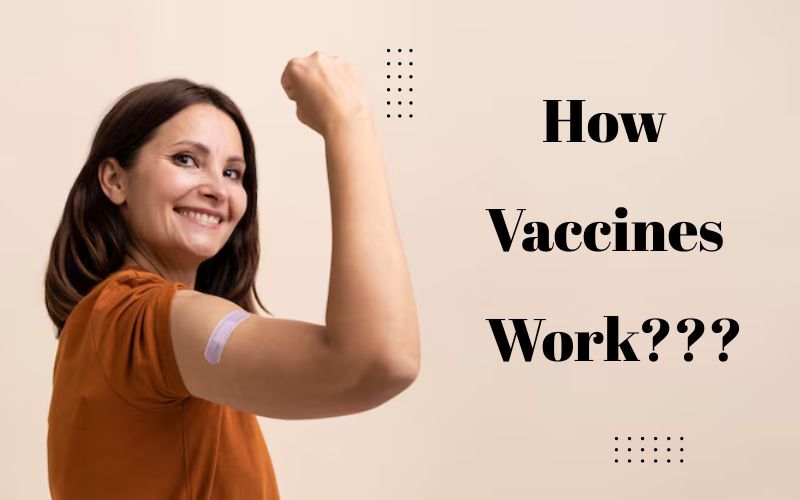
In a world where health crises can quickly spiral into global pandemics, vaccines have become a symbol of hope, safety, and scientific progress. From smallpox eradication to the global fight against COVID-19, vaccines continue to play a vital role in protecting human lives. But how do vaccines actually work? How can something so small protect us from something so dangerous?
In this blog, we’ll break down the science behind vaccines, explore how they interact with the human immune system, and explain why they’re more important now than ever before.
What Is Immunity? A Quick Science Primer
Immunity is your body’s ability to resist infection or disease. It’s provided by your immune system, a complex network of organs, cells, and proteins that identifies and neutralizes harmful pathogens like viruses, bacteria, and parasites.
There are two main types of immunity:
- Innate Immunity: This is the natural defense you’re born with. It acts quickly but is not specific to any one pathogen.
- Adaptive Immunity: This is developed over time when your body is exposed to diseases or vaccines. It is precise and creates immunological memory, allowing your body to recognize and fight off the same pathogen more effectively in the future.
Vaccines are designed to take advantage of adaptive immunity by training your body to respond to a specific invader before you’re ever exposed to the real threat.
How Vaccines Train Your Body to Fight
Vaccines work by introducing a harmless version or a part of a pathogen into your body. This could be a weakened or inactivated virus, a protein fragment, or even a set of genetic instructions (as with mRNA vaccines). These do not cause disease, but they do trigger an immune response.
Here’s what happens step by step:
- Recognition: Your immune system identifies the vaccine material as foreign.
- Response: It creates antibodies (proteins that fight off the invader) and memory cells that remember the pathogen.
- Protection: If you’re exposed to the real pathogen in the future, your body recognizes it and fights it off quickly—often before symptoms even appear.
In simple terms, vaccines prepare your immune system like a practice drill before the real battle.
Different Types of Vaccines and Their Mechanisms
There are several types of vaccines, each using a different scientific method to stimulate immunity:
1. Inactivated Vaccines
These contain killed versions of the virus or bacteria.
- Example: Polio (IPV), Hepatitis A
- Benefit: Safe for people with weakened immune systems.
2. Live Attenuated Vaccines
These contain a weakened (attenuated) form of the virus.
- Example: MMR (Measles, Mumps, Rubella), Chickenpox
- Benefit: Often provide long-lasting immunity with fewer doses.
3. Subunit, Recombinant, Polysaccharide, and Conjugate Vaccines
These include only parts of the virus or bacteria, such as a protein or sugar.
- Example: HPV, Hepatitis B
- Benefit: Lower risk of side effects.
4. mRNA Vaccines
These provide genetic instructions to your cells to make a harmless viral protein that triggers immunity.
- Example: Pfizer-BioNTech and Moderna COVID-19 vaccines
- Benefit: Fast to develop and very effective.
5. Viral Vector Vaccines
These use a modified virus to deliver genetic material to cells.
- Example: Johnson & Johnson COVID-19 vaccine
- Benefit: Stimulate a strong immune response.
Each type is carefully researched, tested, and approved by global health agencies to ensure maximum benefit with minimal risk.
What Happens After You Get Vaccinated?
Once you receive a vaccine, your immune system gets to work. Within days, it starts producing antibodies and memory cells specific to the pathogen the vaccine mimicked. This process takes a bit of time—usually a couple of weeks—so you may not be fully protected immediately.
Some vaccines require multiple doses or booster shots. These help “remind” your immune system and strengthen your protection, especially if immunity wanes over time.
Why Booster Shots Matter
You’ve probably heard of booster doses, especially in the context of COVID-19. Boosters are important when:
- The immune response needs strengthening.
- The virus mutates (as seen with flu or COVID-19 variants).
- Immunity declines after a few months or years.
Booster shots ensure long-term protection and are a normal part of many vaccine schedules.
Herd Immunity: Protecting the Vulnerable
When enough people in a community are vaccinated, the disease has fewer opportunities to spread. This concept is called herd immunity. It helps protect those who:
- Cannot be vaccinated (e.g., infants, elderly, or immunocompromised people)
- Do not respond well to vaccines
- Are allergic to vaccine ingredients
Vaccinating yourself is not just about you—it’s about protecting everyone around you.
Are Vaccines Safe? Debunking the Myths
Vaccines go through extensive clinical trials and regulatory approval processes. They are continually monitored for safety, even after they’re released to the public.
Common, mild side effects:
- Sore arm at the injection site
- Low-grade fever
- Fatigue or muscle aches
These side effects are a sign your body is building protection. Serious side effects are extremely rare.
Let’s bust a few common myths:
- Myth: Vaccines cause autism.
Fact: This has been debunked by over a dozen large-scale studies. The original study that claimed this was fraudulent and retracted.
- Myth: Vaccines contain dangerous ingredients.
Fact: All ingredients are used in safe amounts and are essential for vaccine stability or effectiveness.
- Myth: Natural infection is better than vaccination.
Fact: Natural infections can lead to severe illness or death. Vaccines provide immunity without the risk of serious consequences.
Vaccines in Modern Times: More Than Just Disease Prevention
Vaccines don’t just prevent illness—they save economies, prevent long-term disabilities, and reduce the burden on healthcare systems. The COVID-19 pandemic demonstrated how crucial vaccination is to restoring normal life.
Vaccines are also being developed for cancer, Alzheimer’s disease, and even drug addiction. The future of vaccines extends beyond infections and into chronic disease management.
Conclusion: A Small Shot, A Big Shield
Vaccines are one of the most effective tools in the history of public health. They protect individuals, communities, and future generations. Understanding how they work helps build confidence in their safety and importance.