


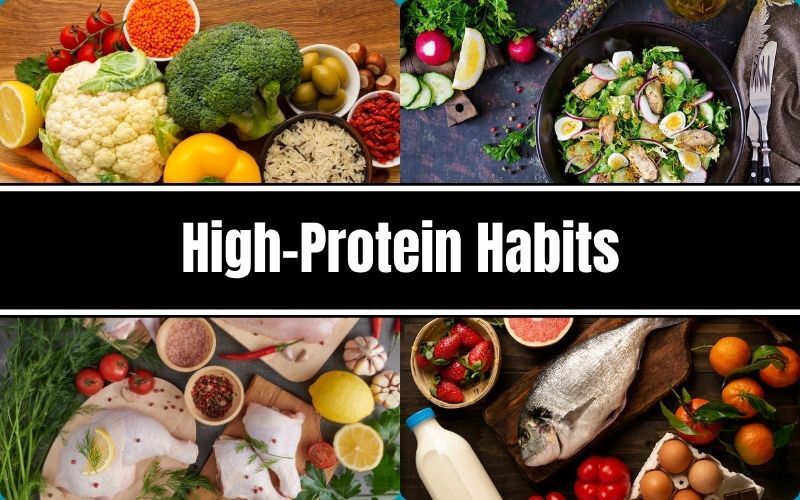
In today’s fast-paced world, maintaining a healthy diet is more important than ever. Whether you’re an athlete, a student, or someone aiming to stay fit, protein plays a crucial role in your daily nutrition. It supports muscle repair, boosts metabolism, and keeps you feeling full longer. But many people assume high-protein foods are either hard to find or require fancy supplements. Fortunately, you can find protein in many everyday foods — simple, affordable, and easy to include in your meals.
Let’s explore some everyday high-protein foods you can incorporate into your routine — no shakes or powders needed!
Why Is Protein So Important?
Before diving into the food list, here’s a quick breakdown of why your body craves protein:
- Builds and repairs tissues like muscles, skin, and hair
- Supports enzyme and hormone production
- Aids in immune system function
- Keeps you full and supports healthy weight management
For most adults, a daily intake of 0.8 to 1.2 grams of protein per kilogram of body weight is recommended, depending on activity level. That’s where everyday food choices matter.
- Eggs – Nature’s Perfect Protein
Eggs are a complete protein, meaning they contain all nine essential amino acids. One large egg has about 6 grams of protein and is incredibly versatile.
How to eat daily:
- Boiled as a quick snack
- Scrambled for breakfast
- Mixed into salads or wraps
Egg whites are lower in fat, while the yolk contains important nutrients like vitamin D and choline.
- Peanut Butter – Convenient and Filling
A spoonful of peanut butter packs about 8 grams of protein (per 2 tablespoons). It’s a delicious option for quick snacks and even desserts.
Best ways to include:
- Spread on toast or fruit
- Added to smoothies or oatmeal
- As a dip for celery or crackers
Opt for natural peanut butter with no added sugars or oils.
- Chicken Breast – Lean and Loaded
Skinless chicken breast is a favorite among fitness enthusiasts. A 100-gram serving gives you around 31 grams of protein.
Use it in:
- Grilled sandwiches
- Stir-fries or rice bowls
- Soups and wraps
It’s lean, low-fat, and easy to season in endless ways.
- Greek Yogurt – Creamy and Protein-Rich
Greek yogurt offers double the protein of regular yogurt, with up to 10 grams per 100g serving.
Daily ideas:
- As breakfast with fruits and granola
- A healthy dip substitute
- Mixed into smoothies
It’s also packed with probiotics, great for gut health.
- Tuna – High Protein, Low Fat
Tuna (especially canned in water) is a powerhouse with around 25 grams of protein per 100 grams. It’s ideal for quick meals.
Enjoy it in:
- Tuna salad
- Sandwiches or wraps
- Mixed with rice or pasta
It’s budget-friendly and shelf-stable — perfect for busy lives.
- Lentils – The Plant-Based Star
Lentils are an excellent plant protein source, offering 18 grams per cooked cup. They’re also rich in fiber and iron.
Great in:
- Indian dals and soups
- Salads or veggie bowls
- Patties or veggie burgers
Pair with rice or whole grains for a complete amino acid profile.
- Cottage Cheese – Light and Nutritious
Low-fat cottage cheese provides around 11 grams of protein per 100 grams and is low in carbs.
How to use:
- As a snack with fruit
- In sandwiches or wraps
- Stirred into pasta or salads
It’s perfect for a protein-rich snack any time of day.
- Tofu – Plant Protein for All Diets
Made from soybeans, tofu contains about 10 grams of protein per 100 grams and absorbs flavors well.
Try it:
- Stir-fried with vegetables
- Scrambled as an egg alternative
- Baked or grilled with sauces
Tofu is a must-have for vegetarians and a great way to add variety.
- Milk – More Than Just Calcium
Milk delivers about 8 grams of protein per cup, making it a simple way to boost your intake.
Drink it:
- As a post-workout beverage
- Blended in smoothies
- In cereals or overnight oats
Dairy milk contains casein and whey proteins — both slow-digesting and beneficial for muscle repair.
- Broccoli and Green Veggies – Surprising Protein Boosters
While vegetables aren’t typically protein-dense, some like broccoli offer 2.5–3 grams of protein per cup. It adds up when combined with other foods.
Add them to:
- Stir-fries
- Omelets
- Soups and curries
They bring fiber, vitamins, and antioxidants to the table too.
Simple Daily Meal Plan with Protein
Breakfast: Greek yogurt + fruit + oats (15g)
Snack: Boiled egg + peanut butter toast (14g)
Lunch: Grilled chicken wrap + lentil soup (30g)
Snack: Cottage cheese + berries (12g)
Dinner: Tofu stir-fry + rice + broccoli (25g)
Total: Around 95–100g protein!
Tips to Include Protein Every Day
- Prep in advance: Cook protein-rich ingredients in batches
- Mix sources: Combine plant and animal proteins
- Use snacks wisely: Choose nuts, yogurt, or eggs
- Read labels: Choose high-protein versions of everyday foods
Final Thoughts
Adding high-protein foods to your everyday routine doesn’t need to be expensive or complicated. From eggs and yogurt to lentils and chicken, you have countless options that are both delicious and accessible.