


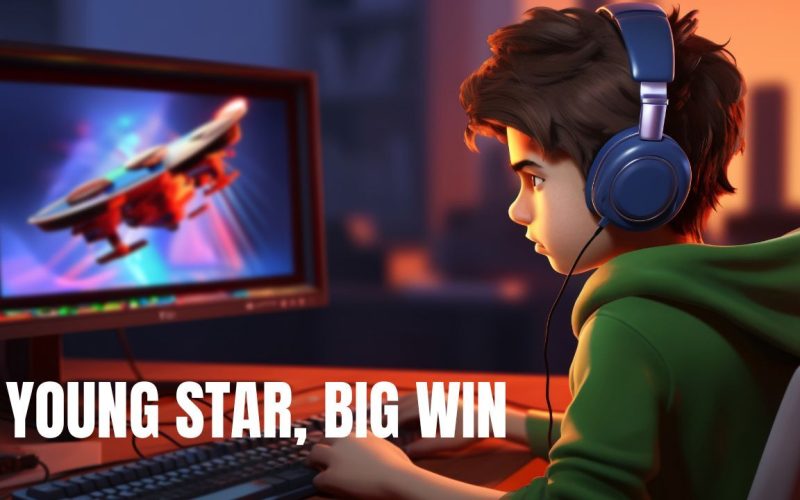
Until recently, Indian esports was seen as a growing scene with potential but not yet on a global scale. That perception shifted with “India’s 15-Year-Old Prodigy,” who made history by defeating top-tier global competitors in a major online tournament. This remarkable victory wasn’t just impressive; it marked a turning point for Indian esports on the world stage.
In a single win, the young prodigy didn’t just bring home a trophy. He sparked a conversation: Is India ready to lead the global esports revolution?
The Breakout Moment
The moment happened during an international Valorant championship hosted online, with players from across the globe competing for glory. When the Indian teen—playing under the ID “Xenon”—took down two former champions in back-to-back rounds, international shoutcasters couldn’t believe what they were watching.
Not only did he dominate the game with perfect strategy, reflexes, and team communication, but he did it with the composure of a seasoned pro—despite being just 15 years old and playing from a modest home setup in India.
His story blew up overnight. Social media, esports blogs, and even traditional Indian news outlets highlighted his win, calling him “India’s esports future” and “the next big thing.”
But this is bigger than one player.
A Sign of India’s Esports Maturity
Xenon’s win isn’t an isolated event. It represents a shift that’s been slowly brewing:
- Better infrastructure: Gaming cafes, bootcamps, and esports orgs have been investing in young talent.
- Faster internet: 5G rollouts and fiber connectivity are making low-ping gameplay possible across India.
- Supportive parents: Unlike before, more Indian parents are seeing gaming as a serious skill, not a waste of time.
- Local tournaments: Esports platforms like Nodwin, Skyesports, and Loco are nurturing talent by giving them visibility and stage time.
In short, India’s no longer just “catching up” in esports—we’re starting to lead.
Why the World Took Notice
What makes Xenon’s win so symbolic?
- He’s young – At 15, most players are still learning the ropes. He’s already beating pros.
- He’s self-taught – No foreign bootcamp, no fancy coaching. Just hours of grind, YouTube videos, and local scrims.
- He’s desi – His setup wasn’t top-tier. He played on a mid-range PC with a budget keyboard and yet outperformed global elites.
- He’s humble – In interviews, Xenon credits his friends, community servers, and streamers who inspired him.
It’s the perfect underdog story. And the world is watching.
What This Means for Other Young Gamers
For Indian teens who dream of turning their gaming hobby into a profession, Xenon’s victory is a green light. It tells them:
- You don’t need to move abroad to “make it”.
- You don’t need expensive gear to get started.
- You’re not alone—India’s community is growing stronger every day.
Many aspiring players are now seeing esports as a real career option—not just a weekend hobby.
How Schools and Colleges Are Responding
Believe it or not, educational institutions are also paying attention. Some colleges have already started:
- Offering esports scholarships
- Creating official teams for inter-college tournaments
- Allowing flexible attendance for top-ranking players
And just like cricket once had campus tournaments that built future stars, gaming might be next.
Brands and Sponsors Are Waking Up
The commercial side of gaming has exploded post-Xenon. In just two weeks since his win:
- He’s received offers from three major esports orgs.
- A mobile brand is rumored to be signing him as a youth ambassador.
- Game publishers are using his clips in highlight reels to market in India.
For brands, this is a golden opportunity. Gaming isn’t just a niche anymore—it’s a mainstream, high-engagement industry. And young talents like Xenon are the new faces of influence.
What India Needs to Keep the Momentum
To make this more than a one-time headline, India’s esports scene must:
- Invest in training centers: Regional bootcamps, not just city-based.
- Ensure mental health support: Many young players face burnout, stress, and online trolling.
- Build structured leagues: Seasonal tournaments with promotion/relegation to support long-term growth.
- Involve parents and teachers: Education around esports as a viable path is key to wider acceptance.
Looking Ahead: Can India Become a Global Leader?
Yes. And maybe faster than we thought.
India has:
- The audience: Over 450 million mobile gamers.
- The platforms: Loco, Rooter, YouTube Gaming.
- The passion: A young, competitive, internet-savvy population.
All it needed was a spark. And this 15-year-old provided it.
Final Thoughts
India’s esports future just arrived a little early—wearing headphones, sitting in a regular chair, and humbly destroying the world’s best gamers. Xenon’s victory is a moment to remember not just for him, but for a nation of players who now know that skill and passion matter more than age, setup, or background.
Whether you’re in a tier-1 city or a small town with patchy internet, one thing is clear: the next esports hero could be you.