





Running is one of the simplest, most effective, and accessible forms of exercise. It requires minimal equipment, can be done almost anywhere, and offers a host of physical and mental health benefits—from improved cardiovascular fitness to stress relief and better sleep. Yet for many beginners, the idea of how to start running can be intimidating.
Questions like “How far should I run?”, “What if I can’t run for more than a minute?”, or “Will I injure myself?” often hold people back. But the good news is that running is for everyone—regardless of age, fitness level, or experience. With the right mindset and approach, anyone can become a runner.
This comprehensive beginner’s guide will walk you through everything you need to know—from the right gear and setting goals to building stamina and staying motivated—so you can lace up confidently and enjoy your journey into the world of running.
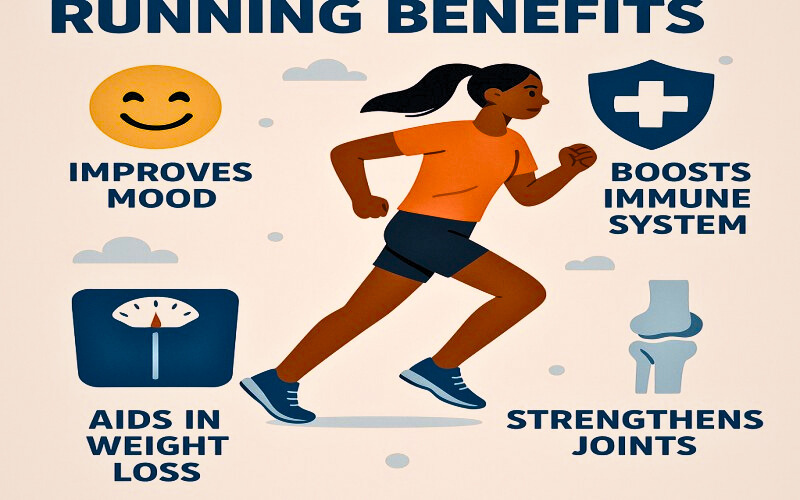
Benefits of Running
Before diving into the how-to, let’s understand why running is worth your time and effort.
Physical Benefits:
- Improved cardiovascular health: Strengthens the heart and lowers blood pressure.
- Weight management: Burns more calories than most forms of cardio.
- Stronger bones and muscles: Running is a weight-bearing activity that builds lower body strength.
- Boosts immune system: Regular runners experience fewer colds and infections.
Mental & Emotional Benefits:
- Stress reduction: Releases endorphins, often called the “runner’s high.”
- Better sleep: Helps regulate circadian rhythms.
- Mental clarity: Encourages mindfulness and improves focus.
- Mood elevation: Helps manage symptoms of anxiety and depression.
Step 1: Get the Right Gear
You don’t need a gym membership or fancy equipment, but a few essentials will make running safer and more enjoyable.
Running Shoes:
- Choose shoes designed for running—not casual sneakers or cross-trainers.
- Visit a specialty running store to assess your gait and arch type.
- Good shoes reduce the risk of injury and provide essential support.
Comfortable Clothing:
- Opt for moisture-wicking fabric to keep sweat away.
- Dress in layers during colder months.
- Use reflective gear or a headlamp for early morning or evening runs.
Optional Gear:
- Fitness tracker or running watch (like Garmin or Apple Watch)
- Water bottle or hydration belt
- Phone holder or armband
- Wireless earbuds for music or podcasts
Step 2: Start with Walking and Intervals
Jumping into a non-stop 5K run is a recipe for burnout or injury. Instead, begin with run-walk intervals.
Week 1-2 Sample Plan:
- 30 minutes total
- Walk 4 minutes, jog 1 minute (repeat 6x)
- Gradually decrease walk time and increase jog time over several weeks
Why Run-Walk Works:
- Builds endurance without overstraining your body
- Helps your muscles, joints, and lungs adapt
- Prevents early discouragement and boosts confidence
Step 3: Set SMART Goals
Goal setting provides direction and keeps you accountable.
Make your goals:
- Specific: “I want to run a 5K.”
- Measurable: “I want to run 3 times per week for 30 minutes.”
- Achievable: “I’ll run for 1 minute and walk for 4 minutes.”
- Relevant: “I want to improve my fitness.”
- Time-bound: “I’ll run a 5K within 10 weeks.”
Having both short-term and long-term goals helps sustain motivation.
Step 4: Focus on Form and Breathing
Poor form can lead to fatigue or injury. It’s better to run correctly for 10 minutes than sloppily for 30.
Good Running Form:
- Head up, eyes forward (not down at your feet or phone)
- Shoulders relaxed, not hunched
- Arms at 90 degrees, swinging naturally
- Torso upright—avoid leaning too far forward
- Midfoot landing—avoid heavy heel strikes
Breathing Tips:
- Inhale through the nose and mouth
- Exhale fully to avoid shallow breaths
- Try a rhythmic pattern: 3 steps inhale, 2 steps exhale
As your fitness improves, breathing will feel more natural.
Step 5: Listen to Your Body
Pain is not gain. Learn the difference between normal discomfort and injury.
Common Signs to Watch:
- Shin splints: May indicate poor footwear or increasing mileage too quickly
- Runner’s knee: Often caused by weak hip/glute muscles or poor form
- Side stitches: Usually due to shallow breathing or running too soon after eating
- Ankle or foot pain: Could suggest overpronation or tight calves
If discomfort persists beyond a few days, take a rest or consult a physical therapist.
Step 6: Build a Routine and Stick to It
Consistency is the key to becoming a runner. Here’s how to create a sustainable schedule.
Beginner’s Weekly Plan (First 4 Weeks):
| Day | Activity |
| Monday | Rest or light walk |
| Tuesday | Run-walk intervals |
| Wednesday | Cross-training (bike, swim, yoga) |
| Thursday | Run-walk intervals |
| Friday | Rest |
| Saturday | Run-walk intervals |
| Sunday | Long walk or light jog/stretch |
Tips:
- Start with 3 runs per week.
- Increase your total time or distance by no more than 10% per week.
- Add a longer run on weekends as endurance builds.
Step 7: Stay Motivated
Running can feel monotonous at times, especially when you’re just starting. Motivation is a muscle—train it.
Keep it Fresh:
- Explore different routes or parks.
- Listen to music, audiobooks, or podcasts.
- Join a running group (in-person or virtual).
- Sign up for a local fun run or charity race.
- Reward yourself when milestones are hit.
Apps like Couch to 5K, Strava, Nike Run Club, and Zombies, Run! gamify the experience and keep things exciting.
Step 8: Warm Up and Cool Down Properly
Warming up prepares your body, and cooling down prevents stiffness.
Warm-Up Routine (5–10 mins):
- Light brisk walk or slow jog
- Dynamic stretches: leg swings, arm circles, high knees
Cool-Down Routine (5–10 mins):
- Slow jog or walk to bring heart rate down
- Static stretches for:
- Hamstrings
- Quads
- Calves
- Hips
- Lower back
Never skip the cool-down—it accelerates recovery and prevents soreness.
Step 9: Fuel Your Body Right
What you eat before and after running impacts performance and recovery.
Before Running:
- Small meal/snack 30–60 minutes prior
- Examples: banana, energy bar, toast with peanut butter
Hydration:
- Drink water throughout the day
- Avoid chugging large amounts right before running
- Rehydrate post-run, especially after sweating
After Running:
- Eat a balanced meal within 60 minutes
- Include carbs for energy, protein for muscle repair, and healthy fats
Step 10: Celebrate Milestones
Whether it’s running your first mile without walking, completing your first week, or signing up for your first race—celebrate your progress. Progress might feel slow at times, but every step counts.
Take photos, share your journey, treat yourself to new running gear, or write in a journal. Recognition boosts momentum.
Common Running Mistakes to Avoid
- Doing too much too soon – Build gradually to avoid burnout and injury.
- Neglecting recovery – Rest days are when your body repairs and gets stronger.
- Ignoring pain – Persistent discomfort is a red flag.
- Wearing old or improper shoes – Replace shoes every 300–500 miles.
- Comparing yourself to others – Everyone’s journey is different. Run your own race.
Progressing Beyond Beginner
Once you feel more confident:
- Sign up for a 5K or 10K
- Add tempo or interval training to improve speed
- Start tracking pace and cadence
- Try trail running for variety
- Work with a coach or use training plans
Your goals may evolve—from weight loss or stress relief to competition or long-distance endurance. Running is a lifelong activity with endless pathways.
Conclusion
Running is more than just movement—it’s a lifestyle, a form of therapy, and a gateway to better physical and mental health. Starting may feel daunting, but the key is to take it one step at a time—literally. With patience, consistency, and the right mindset, you’ll soon find yourself not just running, but enjoying it.
So lace up, take a deep breath, and embrace the road ahead. Your running journey starts now—not with a sprint, but with a single stride.


