

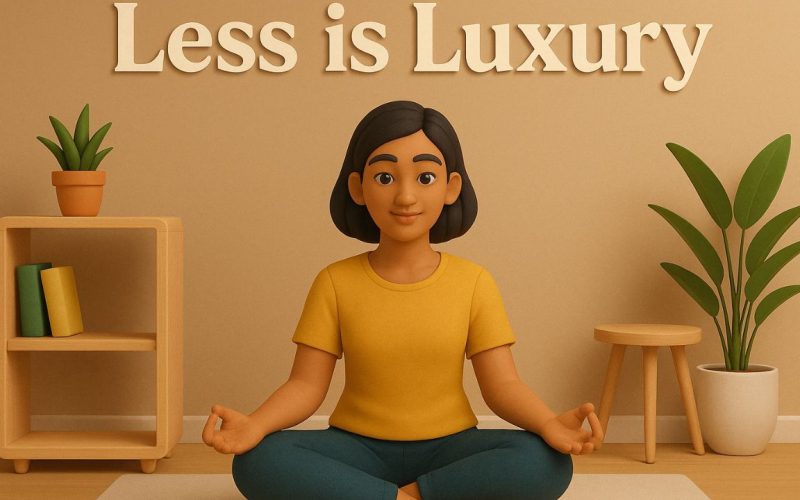
here was a time when success in India was measured by how much you owned—cars, gold, furniture, property, branded clothes, and the latest gadgets. But something unexpected is happening with the new generation. Indian millennials are slowly turning away from the cluttered idea of luxury—and choosing to own less. Why Owning Less Is the New Luxury is becoming more evident as millennials focus on experiences, financial freedom, and a simplified lifestyle.
Sounds strange in a country where buying your own house is still considered a life goal?
Not anymore. From Bangalore to Jaipur, this new wave of minimalism is growing fast. But this isn’t just about cleaning closets—it’s about redefining what a good life looks like.
The Shift from Material to Meaning
Millennials in India have grown up watching their parents chase a lifestyle of accumulation. Whether it was a bigger car, a more spacious flat, or a double-door fridge, success was always linked to “more.”
But today’s young adults—especially those between 27 and 40—have different values. They’re swapping material things for experiences, freedom, and mental peace.
They’re saying:
- “I don’t want a big home, I want flexibility to move cities.”
- “I don’t need five pairs of sneakers, just one I truly love.”
- “I don’t need 20 kitchen appliances, I hardly cook!”
This isn’t being lazy or cheap—it’s about intentional living.
Experiences Over Possessions
A recent survey by a travel startup in India found that 72% of urban millennials would rather spend money on a short vacation than buy a new phone.
Why?
Because experiences create memories. Possessions fade, break, get replaced. But a weekend trek in Himachal, or a solo trip to Hampi—these leave an emotional impact. They’re stories, not stuff.
Owning less gives people the freedom to do more.
Renting, Not Buying: The Rise of Subscription Living
Take a look at how we live now:
- Furnishings? Rented from Furlenco.
- Clothes for events? Borrowed from Flyrobe or a friend.
- Co-living? Shared homes with zero furniture investments.
This shift is especially visible in metros. Young professionals are moving around more, changing jobs, changing cities—and they don’t want to be tied down by things. They’d rather pay monthly and stay light.
It’s not just smart. It’s stress-free.
The Mental Health Angle
This minimalism isn’t just practical—it’s emotional self-care.
Too much clutter causes stress. Too many choices lead to decision fatigue. Owning more doesn’t always mean living better—it can actually make people feel anxious, crowded, and stuck.
Millennials are choosing to keep things that serve a purpose—or spark joy (thank you, Marie Kondo). The rest? Let it go.
Clean space = clear head. It’s that simple.
Instagram Is Helping, Not Hurting
Yes, social media fuels consumerism. But interestingly, it’s also pushing minimalism into the spotlight.
Influencers are now posting:
- Clean, aesthetic rooms with just the essentials.
- “Capsule wardrobes” with 10 staple pieces.
- “What I didn’t buy this month” challenge reels.
These posts don’t feel preachy—they feel freeing. And followers love the idea that they can feel rich without being overloaded.
The Sustainable Lifestyle Movement
Minimalism also ties beautifully into sustainability, something that Indian millennials genuinely care about.
Fast fashion? Being replaced by thrift stores, upcycled clothing, and outfit repeating (without shame).
Single-use plastic? Avoided in favor of bamboo toothbrushes and steel bottles.
People are buying local, avoiding overpackaged items, and saying no to things they don’t need. The environment is no longer an abstract idea—it’s personal. And owning less = wasting less.
How This Is Changing Indian Homes
Let’s be real: traditional Indian homes were filled to the brim—extra beds, storage trunks, decorations for every festival.
Now?
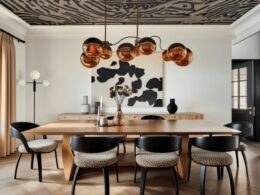
Urban Indian homes are becoming smaller, cleaner, more functional. Foldable furniture. Open spaces. More plants, fewer plastic flowers. One puja shelf instead of three god rooms.
It’s not western influence—it’s a conscious redesign of how we want to feel at home.
Minimalism Doesn’t Mean Deprivation
A common myth is that owning less = living like a monk. That’s not what this is.
It’s about owning intentionally:
- Keeping clothes you actually wear.
- Having one great phone instead of two average ones.
- Buying a laptop that lasts 5 years, not just the cheapest model.
It’s choosing quality over quantity, and freedom over hoarding.
What’s Next?
As this lifestyle spreads, we’re seeing new businesses emerge to support it:
- Apps for swapping clothes, books, and gadgets.
- Home organizers and minimal living consultants.
- Cafes and hostels designed for slow, intentional living.
- Retreats and vacations that promote digital detoxing.
Even wedding planning is seeing a shift—with smaller, simpler events that focus more on meaning and less on show.
Final Thought
In 2025, luxury doesn’t always mean shiny, big, or expensive. For Indian millennials, the new luxury is clarity, space, and freedom.
It’s the ability to move light, live free, and own your time—not just your things.
So if your cupboard feels too full or your day feels too packed—maybe it’s time to rethink what you really need. Because in today’s world, sometimes the smartest thing to own is… less.