





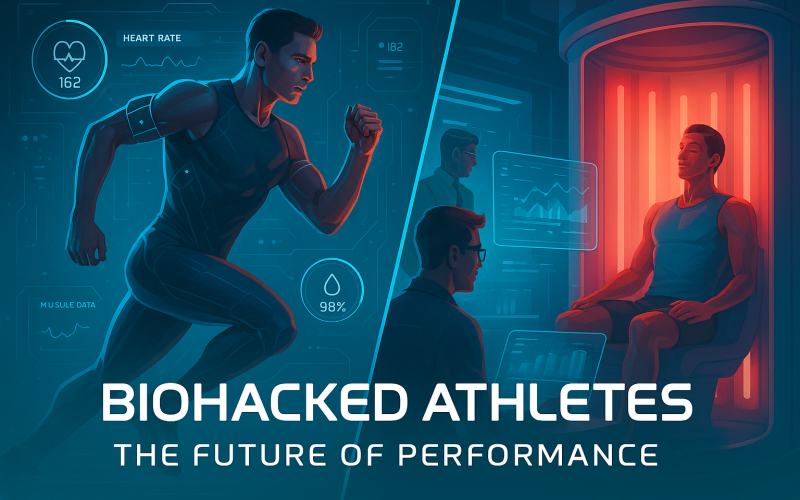
The line between human potential and technological enhancement is blurring—especially in the world of sports. From elite athletes to weekend warriors, the pursuit of peak performance has entered a new era. Welcome to the age of biohacking in sports.
But what exactly is biohacking? And is it turning athletes into superhumans?
What is Biohacking?
Biohacking refers to the practice of using science, technology, and self-experimentation to enhance the body’s performance, recovery, and longevity. It ranges from simple lifestyle changes like intermittent fasting and cold exposure to advanced techniques like genetic optimization, neural stimulation, and wearable biometric tech.
In the sports world, biohacking has evolved from fringe fascination to mainstream performance tool. Today’s athletes are using data-driven methods and cutting-edge tech to unlock physical and mental capabilities that were once thought unreachable.
The Biohacker’s Toolkit: What Athletes Are Using
Athletes in 2025 are experimenting with a wide variety of enhancements. Some of the most common biohacking tools include:
- Wearable Technology
From WHOOP bands to smart socks, wearables provide continuous insights into heart rate variability (HRV), sleep quality, blood oxygen, lactate threshold, and more. This real-time feedback helps athletes fine-tune their training for optimal results.
Case Study: Olympic runner Athing Mu uses advanced sleep trackers and HRV monitors to structure recovery-based training around her menstrual cycle—optimizing peak performance days.
- Cryotherapy & Cold Immersion
Cold plunges are no longer just for masochists. Exposure to extreme cold helps reduce inflammation, speed up recovery, and boost mental clarity. Cryotherapy chambers are now a standard fixture in professional sports training facilities.
- Red Light Therapy
Athletes use infrared and red light therapy to stimulate mitochondrial function, promote healing, and reduce muscle fatigue. It’s being used by elite footballers, swimmers, and even esports players to maintain edge and focus.
- Nootropics & Cognitive Enhancers
Athletes are now training their brains as intensely as their bodies. Nootropics—substances that enhance cognitive function—are used to boost memory, reaction time, focus, and emotional control.
Example: Chess grandmasters and Formula 1 drivers alike use a cocktail of caffeine, L-theanine, and microdosed psychedelics (in legal jurisdictions) to maintain focus over long periods.
- DNA-Based Nutrition & Training
Using genetic testing, athletes now customize their diet, exercise, and supplementation plans. DNA kits help determine optimal macronutrient ratios, injury risks, and even psychological resilience.
The Science Behind Superhuman Performance
The science of biohacking is built around the concept of epigenetics—the idea that our genes can be turned “on” or “off” by environment, diet, and behavior.
Athletes are leveraging epigenetics by:
- Personalizing training intensity based on cortisol levels.
- Using ketogenic diets or fasting to boost energy metabolism.
- Applying transcranial direct current stimulation (tDCS) to improve neuroplasticity and focus.
This isn’t science fiction—it’s the new frontier of sports science.
Real-World Examples: Athletes Who Biohack
- Tom Brady – NFL
While not a 2025 rookie, Tom Brady is often cited as an early adopter of biohacking principles. His TB12 Method includes muscle pliability work, sleep hygiene, hydration tracking, and plant-based eating.
- Novak Djokovic – Tennis
Djokovic follows a gluten-free diet, incorporates hyperbaric oxygen therapy, and uses meditation and visualization to enhance mental toughness.
- Eliud Kipchoge – Marathon
His sub-two-hour marathon in 2019 was made possible by precise metabolic monitoring, carbon-plated shoes (technological doping?), and altitude training—now a staple in endurance sports.
The Ethical Debate: Enhancement or Unfair Advantage?
As biohacking becomes more mainstream, ethical concerns arise:
- Where do we draw the line between enhancement and cheating?
- Is using brain stimulation or gene-editing “natural”?
- Could athletes from lower-income nations be left behind?
Sports bodies like WADA (World Anti-Doping Agency) are now reviewing the legal status of nootropics and neurostimulation devices. While most biohacking methods are legal today, the future may see regulations evolve quickly.
The Future: What’s Next in Biohacking for Athletes?
By 2030, expect to see:
- Neural interfaces (brain-computer devices) to optimize reflexes in real-time.
- Lab-grown muscle patches for injury recovery.
- AI-powered training avatars that simulate game conditions and suggest tactics.
And maybe even CRISPR-edited genes to prevent tendon injuries or boost endurance—an ethical minefield waiting to explode.
Conclusion: A New Era of Human Limits
The rise of biohacking isn’t just changing how athletes train—it’s redefining what it means to be human in sport.
While talent and hard work remain at the heart of performance, the edge now belongs to those who embrace smart science, strategic recovery, and self-optimization.
So, are athletes becoming superhuman?
Not quite yet—but they’re getting closer every day.
Your Turn:
Have you tried any form of biohacking yourself—cold showers, smartwatches, or fasting? Would you consider using tech to boost your performance or health?
Let us know in the comments!
And don’t forget to subscribe for more deep dives into the future of sports and human performance.


