

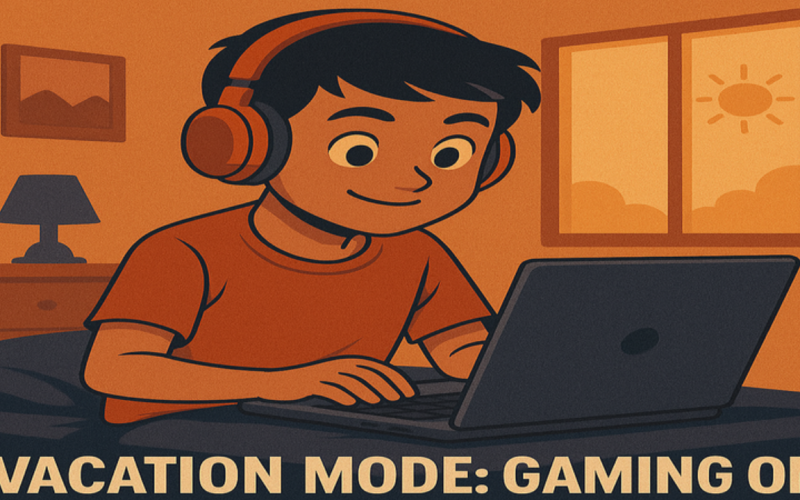
Summer vacations in India used to be about gully cricket, trips to grandparents’ homes, and long days spent outdoors. But in 2025, a new summer ritual is emerging—one that revolves around mobile screens, headsets, and leaderboards. Across cities and small towns, Indian kids are spending their summer holidays immersed in gaming marathons, transforming their time off into a digitally charged experience. This isn’t just about passing time. Gaming has evolved into a social, creative, and even aspirational space for the youth. From casual play to competitive streaming, the Indian summer break is seeing a cultural shift that’s redefining childhood itself.
Why Gaming Is the New Summer Camp
Until recently, gaming was often dismissed as a distraction—something kids did when they weren’t studying or playing “real” games outside. But today, gaming is no longer just play. It’s about connection, performance, and skill-building.
Several factors are driving this shift:
- Accessibility: With smartphones becoming more affordable and internet data cheaper than ever, kids from all backgrounds can now access high-quality games.
- Social Interaction: Multiplayer games offer real-time interaction with friends, replacing physical meetups with digital teamwork and competition.
- Influencer Culture: Popular streamers and gaming creators have turned gaming into something aspirational. Kids see gaming as a lifestyle, even a potential career.
In a way, gaming has taken the place of summer camps—offering community, structure, and skill development, all within a digital world.
The Games Dominating Indian Screens
Every summer has its defining games, and 2025 is no different. This year’s breakout favorites include:
- BGMI (Battlegrounds Mobile India) – A perennial favorite with new seasonal content and regional tournaments.
- Valorant Lite – A mobile-friendly version that makes high-speed tactical shooting more accessible.
- Roblox – Offering both gameplay and the ability to create mini-games, it’s especially popular among pre-teens.
- Minecraft – With Indian-themed servers, this classic is enjoying renewed popularity.
- Free Fire Max – Known for its quick matches and exciting gameplay, it continues to attract younger players.
These games are not just entertainment—they’re communities in themselves, where kids form teams, develop strategies, and chase digital achievements.
The Streaming Surge
A striking trend this summer is the number of kids trying their hand at streaming. With simple setups and apps that make it easy to broadcast gameplay, even 12-year-olds are launching their own gaming channels on platforms like YouTube, Loco, and Rooter.
They’re not just playing—they’re performing. Many create live commentary, record tutorials, and upload gameplay highlights. These young streamers mimic their idols, adopt unique gamer tags, and experiment with content styles that range from funny to educational.
For some, it’s a hobby. For others, it’s a serious first step into the world of content creation.
What They’re Actually Learning
Gaming is often underestimated, but it builds more skills than most realize. Here’s what many kids are picking up during these marathon sessions:
- Teamwork and communication, especially in multiplayer formats
- Strategic thinking and problem-solving
- Improved English vocabulary through in-game instructions and chats
- Digital literacy, including account management, app usage, and content uploading
- Creative expression, particularly in sandbox games and during streaming
It’s a new kind of learning—informal, fast-paced, and digital.
Balancing Screen Time and Sanity
Of course, not everyone is thrilled. Many parents are concerned about excessive screen time, disrupted routines, and decreased outdoor activity. Kids are spending upwards of 6 hours a day gaming—often skipping meals or pushing bedtime later just to finish “one more match.”
Experts suggest that balance is key. Instead of banning gaming, families can set limits and create a structured holiday routine that includes:
- Outdoor play or physical exercise
- Dedicated reading or learning time
- Time blocks for gaming with clear start and stop points
- Non-screen hobbies like drawing, music, or board games
The idea isn’t to demonize gaming—but to integrate it responsibly.
Gaming and Earning: The Next Step?
Some kids aren’t just playing—they’re profiting. A handful of teenagers are already monetizing their passion through:
- YouTube ad revenue
- Viewer donations during livestreams
- Affiliate links for gaming gear
- Participating in local esports tournaments
While the majority may not earn right away, the idea that a summer hobby can evolve into a legitimate income source is becoming increasingly believable. For many kids, this is the first time their interests and career dreams align so clearly.
Industry Trends: Summer Specials
Game developers and brands are aware of this seasonal spike in youth engagement. Many roll out India-specific events, bonus missions, and loot box drops during the summer months to drive activity.
Some are even launching junior gamer tournaments and summer streaming contests, partnering with schools or content platforms. These campaigns not only boost engagement but give young gamers a stage to showcase their skills.
The Cultural Shift
What we’re seeing is more than just a gaming trend—it’s a cultural reset. Kids aren’t just passive consumers of content anymore. They’re participants, creators, and competitors. They’re building identities online, forming friendships through guilds and Discord servers, and learning digital skills their parents never imagined at that age.
Gaming has become their playground, their hangout, and in some cases, their ambition.
Final Thought
The Indian summer break is no longer defined by textbooks and tuitions alone. Today, it’s also about live streams, leaderboard grinds, and digital badges. Kids are building confidence, communities, and careers through gaming.
As long as there’s a healthy balance, this screen time isn’t a threat—it’s a transformation. For many Indian children in 2025, gaming isn’t just how they pass time. It’s how they grow up.