


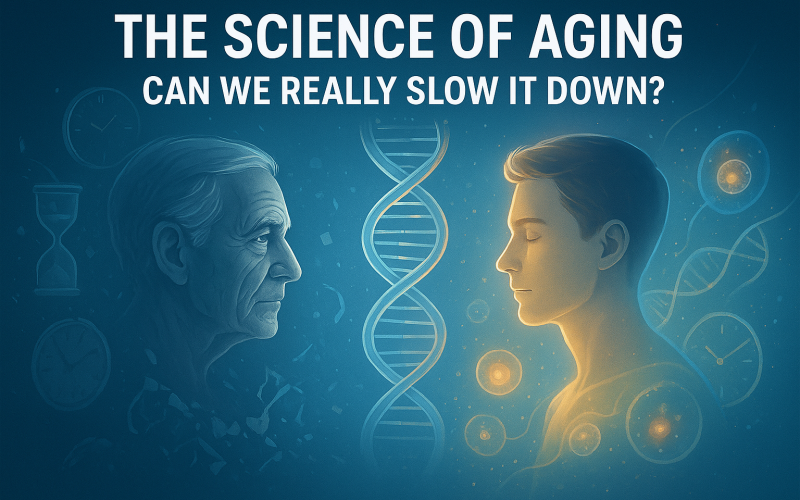
Aging is one of the most natural processes of life—an inevitable journey that every living being experiences. From the moment we are born, our bodies begin to age, shaped by genetics, environment, lifestyle, and biology. For centuries, humans have sought ways to delay or even reverse aging. While immortality remains in the realm of myths and science fiction, modern science is uncovering fascinating insights into how and why we age, and whether we can actually slow it down. In recent years, advances in genetics, biotechnology, and medicine have pushed aging research into the spotlight. Scientists are no longer asking if aging can be influenced, but how much. Let’s explore the science of aging, current breakthroughs, and the real possibilities of extending human health and longevity.
What Causes Aging?
Aging isn’t a single process—it’s a combination of gradual changes happening at the cellular and molecular level. Scientists often describe “hallmarks of aging,” which are the key biological processes that drive physical and cognitive decline. Some of the most recognized include:
- Cellular Senescence – Over time, cells lose their ability to divide and function properly. These “senescent” cells accumulate in tissues, releasing harmful chemicals that contribute to aging and disease.
- DNA Damage – Our DNA is constantly under attack from environmental stress, free radicals, and replication errors. While our body has repair mechanisms, they become less efficient with age.
- Telomere Shortening – Telomeres are protective caps at the ends of chromosomes. Each time a cell divides, telomeres shorten until they reach a critical length, leading to cellular aging.
- Mitochondrial Dysfunction – Mitochondria, the powerhouses of cells, weaken over time, reducing energy production and increasing oxidative stress.
- Loss of Proteostasis – Proteins in our body need to be properly folded and maintained. With age, this system falters, leading to misfolded proteins and diseases like Alzheimer’s.
In short, aging is the result of multiple interconnected processes—not just “wear and tear.”
Can We Really Slow Down Aging?
Here’s where science gets exciting. While we cannot stop aging completely, evidence suggests that we can delay it and extend the period of life spent in good health (also known as healthspan). Researchers are exploring interventions that target the hallmarks of aging directly.
- Caloric Restriction & Diet
For decades, studies have shown that caloric restriction (eating fewer calories without malnutrition) can extend lifespan in animals like mice, worms, and even monkeys. In humans, diets such as intermittent fasting and the Mediterranean diet appear to support longevity by reducing inflammation, improving metabolism, and protecting against age-related diseases.
- Exercise & Physical Activity
Exercise is one of the most powerful anti-aging tools available. It improves cardiovascular health, preserves muscle mass, supports brain function, and even helps maintain telomere length. Regular activity essentially keeps our biological clock ticking more slowly.
- Genetic & Cellular Interventions
Modern science is pushing boundaries with genetic engineering and drug research:
- CRISPR gene editing offers the possibility of repairing genetic mutations linked to aging.
- Senolytics are drugs designed to remove senescent cells, reducing age-related inflammation. Early studies in animals show promising results.
- Rapamycin, an immune-suppressing drug, has been shown to extend lifespan in mice and is being tested in humans for anti-aging effects.
- NAD+ Boosters
NAD+ (Nicotinamide adenine dinucleotide) is a molecule that fuels many cellular processes, including DNA repair and energy production. Levels decline with age, but supplements like NMN and NR (nicotinamide riboside) aim to restore it, potentially slowing cellular aging.
- Stem Cell Therapy
Stem cells have the remarkable ability to regenerate tissues. As we age, our natural stem cell supply dwindles, but regenerative medicine is investigating ways to restore or replace them to rejuvenate organs and tissues.
Lifestyle vs. Biotechnology
While futuristic treatments capture attention, lifestyle choices remain the most effective and proven way to slow aging. Factors like balanced nutrition, stress management, quality sleep, and social connections have measurable impacts on longevity. For example, studies of the world’s “Blue Zones” (regions where people live exceptionally long lives, such as Okinawa in Japan and Sardinia in Italy) highlight habits like plant-based diets, active lifestyles, and strong community bonds as longevity boosters.
Biotechnology, however, holds promise for the future. Unlike lifestyle, which mostly prevents accelerated aging, medical advances could target aging at its root, potentially extending both lifespan and healthspan significantly.
Ethical Questions Around Slowing Aging
The possibility of extending human life raises ethical, social, and economic questions. If science enables us to live to 120 or beyond in good health, who will have access to such treatments? Will it widen social inequality? How will societies adapt to longer lifespans in terms of jobs, retirement, and resources?
There is also the philosophical question: Should we slow aging? Many argue that aging is a natural part of life and that tampering with it could have unforeseen consequences. Others believe extending healthy life is a moral obligation if science makes it possible.
The Future of Aging Science
The field of longevity research is advancing rapidly. Companies like Altos Labs and Calico (backed by Google) are investing billions into anti-aging technologies. Researchers are exploring epigenetic reprogramming, which could potentially reset cells to a younger state without losing their identity.
Though we’re far from a fountain of youth, scientists agree on one thing: slowing aging is no longer science fiction—it’s a scientific frontier.
Conclusion
Aging may be inevitable, but how we age is increasingly within our control. By understanding the biology behind it, science is uncovering ways to slow down the clock, not just to extend life, but to extend healthy life.
So, can we really slow down aging? The answer is: Yes—at least to some extent. Through lifestyle choices we can already make today, and with emerging biotechnology on the horizon, the dream of living longer, healthier, and more vibrant lives is closer than ever before.