


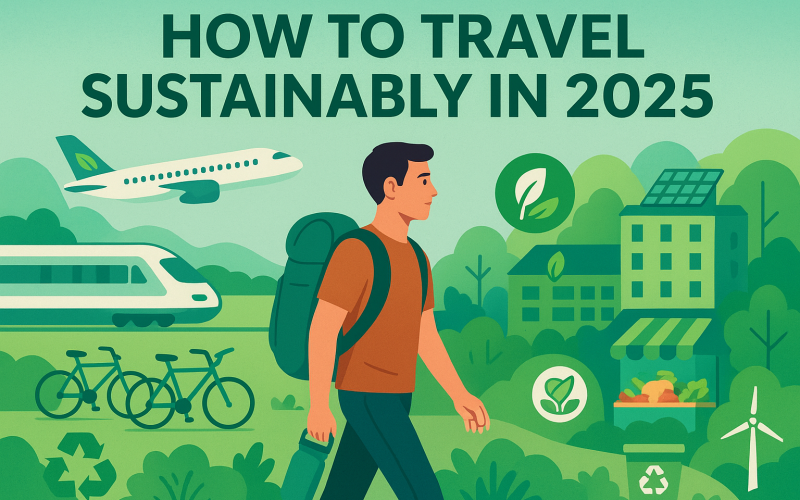
Traveling has always been about discovery—new cultures, breathtaking landscapes, and unforgettable experiences. But as tourism continues to expand globally, so does its impact on the environment. From carbon emissions caused by flights to waste generated at tourist hotspots, the travel industry plays a significant role in climate change and environmental degradation. Fortunately, the conversation is shifting. In 2025, sustainable travel is no longer just a trend—it’s becoming a necessity. Travelers around the world are looking for ways to explore responsibly, ensuring their adventures leave a positive footprint on the planet and communities they visit. So, how exactly can we travel sustainably in 2025? Let’s dive in.
Rethinking Transportation: Greener Ways to Move
Transportation is one of the largest contributors to tourism-related emissions. To travel sustainably, we need to reconsider how we get from place to place.
- Choosing Low-Emission Flights
Air travel isn’t going away anytime soon, but airlines are working toward greener solutions. In 2025, many carriers are investing in sustainable aviation fuel (SAF), which significantly reduces carbon emissions compared to traditional jet fuel. When booking flights, look for airlines that have strong sustainability commitments or opt for non-stop flights to reduce overall fuel use.
- Exploring by Train or Bus
High-speed rail systems are becoming increasingly popular in Europe and Asia, offering an eco-friendly alternative to short-haul flights. In many destinations, buses powered by electricity or biofuels are also becoming part of public infrastructure. If your journey allows, choosing rail or bus travel can drastically lower your carbon footprint.
- Opting for Green Mobility at Destinations
Once you arrive, think small and sustainable:
- Use public transportation rather than taxis.
- Rent bikes or e-scooters for city exploration.
- Walk more—many destinations are best experienced at a slower pace.
Staying Smart: Sustainable Accommodation
Hotels and resorts consume large amounts of energy and water, but in 2025, many are evolving to meet eco-conscious demands.
- Eco-Certified Stays
Look for accommodations with certifications such as LEED, EarthCheck, or Green Key, which indicate sustainable building practices, energy efficiency, and waste management.
- Locally Owned Stays
Choosing small, family-run hotels, guesthouses, or homestays not only reduces your environmental impact but also supports the local economy directly.
- Green Practices in Hotels
Simple choices matter:
- Reuse towels and sheets instead of requesting daily changes.
- Carry your own toiletries to avoid single-use plastics.
- Choose hotels that use renewable energy sources or have recycling programs.
Eating & Drinking Sustainably
Food is a big part of travel, but it also contributes significantly to emissions and waste. Making mindful choices can transform your culinary adventures into sustainable experiences.
- Eating Local
Skip the imported foods and indulge in local cuisines made from regional ingredients. This not only lowers transportation emissions but also celebrates local culture.
- Plant-Based Options
More travelers are embracing plant-forward diets to reduce their carbon footprint. Even if you’re not vegan or vegetarian, choosing plant-based meals a few times during your trip can make a difference.
- Supporting Local Farmers and Businesses
Seek out farm-to-table restaurants, street food vendors, and community markets. This ensures your money stays within the community while encouraging sustainable food systems.
Reducing Waste on the Road
Tourism generates tons of waste each year, much of it plastic. In 2025, travelers are encouraged to adopt a zero-waste mindset.
- Carry a reusable water bottle (many destinations now have refill stations).
- Pack a set of reusable cutlery, straws, and tote bags.
- Avoid excessive packaging by shopping at local markets instead of large supermarkets.
- Recycle whenever possible—many countries are improving infrastructure for travelers.
Respecting Nature & Culture
Sustainable travel is about more than the environment—it’s also about respecting local cultures and communities.
- Eco-Tourism Activities
Choose experiences that contribute to conservation efforts, like visiting wildlife sanctuaries, national parks, or guided eco-tours run by locals. Avoid exploitative activities such as elephant rides, marine life shows, or anything that harms animals.
- Supporting Indigenous Communities
Seek tours and workshops led by indigenous or local guides. These experiences offer authentic perspectives and directly support community livelihoods.
- Mindful Behavior
- Respect cultural traditions and dress codes.
- Learn basic phrases in the local language.
- Avoid over-tourism by exploring lesser-known destinations rather than crowding popular hotspots.
Tech & Innovation in Sustainable Travel
Technology is playing a key role in transforming travel sustainability in 2025.
- Carbon-Tracking Apps: Many booking platforms now show the estimated carbon footprint of your flights and stays, helping you make informed decisions.
- Eco-Trip Planners: AI-powered apps can suggest itineraries that optimize routes, reduce emissions, and highlight eco-friendly accommodations.
- Green Tourism Platforms: Websites dedicated to sustainable travel experiences are growing, making it easier than ever to choose responsibly.
Practical Tips for Travelers in 2025
Here are a few easy-to-implement practices to ensure your trips are sustainable:
- Travel light—less luggage means less fuel consumption.
- Offset your carbon footprint by investing in verified carbon offset programs.
- Prioritize slow travel—spend more time in one destination rather than rushing through many.
- Support destinations that actively promote eco-tourism policies.
Conclusion
In 2025, traveling sustainably is not just an option—it’s becoming the new standard for conscious explorers. From greener flights and eco-friendly accommodations to zero-waste practices and cultural respect, each choice we make as travelers has the power to create a positive impact.
The beauty of sustainable travel lies in its dual reward: protecting the planet while enriching your experiences with deeper, more meaningful connections. After all, the most memorable journeys are not just about where you go, but about how you leave the world when you return.