
Personalized Nutrition in 2025: Breakthrough or Buzzword?
Is personalized nutrition in 2025 truly revolutionary or just hype? Discover how DNA and AI are shaping your diet choices.
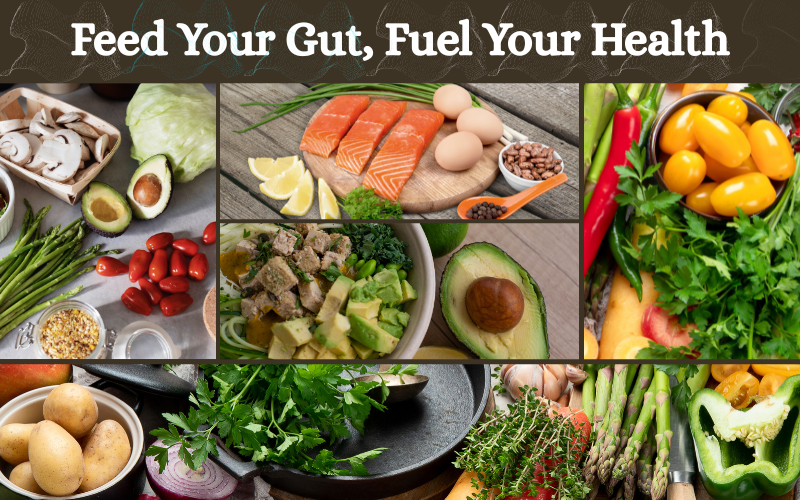
In 2025, the promise of personalized nutrition is louder than ever. With DNA kits in your mailbox and apps promising food plans based on your blood type or genetic code, the idea of eating for your biology is no longer science fiction — it’s a growing industry.
But how much of it is real science? How much is hype?
Let’s explore what personalized nutrition really means in 2025, and whether companies like Habit are changing lives or just selling the dream.
What Is Personalized Nutrition?
Personalized nutrition uses your DNA, blood biomarkers, lifestyle data, and sometimes even microbiome analysis to create a custom nutrition plan.
Think:
- Tailored food lists based on how your body metabolizes carbs or caffeine
- Meal delivery matched to your genes
- Coaching from nutritionists who "read" your biology
- Home testing kit for DNA and blood biomarkers
- Lab analysis of over 60 key data points
- Self-reported health goals added to the mix
- AI-powered “Nutrition Intelligence Engine” determines your optimal foods
- Custom meals tailored to your profile (delivered to your door)
- App and coaching for ongoing guidance and community support
Supporters say:
- A 2016 study in The American Journal of Clinical Nutrition found personalized nutrition increased adherence to diets like the Mediterranean diet.
- A related paper showed custom advice led to better dietary changes than generic advice.
Critics warn:
- The Academy of Nutrition and Dietetics says the science is still too early for broad clinical use.
- Direct-to-consumer DNA testing isn’t strictly regulated.
- More evidence is needed to confirm long-term health benefits — or even short-term safety.
Expert insight:
“Marketing is far ahead of the science… The impact on behavior is minimal.” — Timothy Caulfield, Canada Research Chair in Health Law and Policy A 2016 review in BMJ backs him up: giving people genetic risk information didn’t significantly change their habits like quitting smoking or improving their diet.The 2025 Perspective: What’s Changed?
Since Habit’s launch in 2017, the field has evolved: AI-powered nutrition tools are smarter and more accessible Wearables now monitor blood sugar, gut reactions, and sleep in real time Integration with telehealth and remote nutrition coaching is common DNA-based diet plans are popping up in mainstream grocery stores and fitness apps But the big question remains: Does knowing your DNA make you eat better — or just feel more informed while still eating cake? Key Takeaways for 2025- Personalized nutrition is technically possible, but still scientifically immature.
- Your DNA can provide helpful insights—but not a perfect meal plan.
- The most important behaviors are still the basics:
- Eat more whole foods
- Reduce processed sugars
- Drink more water
- Get regular movement
- Prioritize sleep and stress management
- You’re a data-loving biohacker
- You’ve tried generic diets and need tailored help
- You’re ready to invest in guidance and follow-through
- You’re hoping for a miracle shortcut
- You’re on a tight budget
- You already struggle to implement basic healthy habits
Comments
Leave a comment Replying to
Comments are reviewed before they appear. Your email is never published.