
"How Cloud Gaming Is Shaping the Future of Gaming
Cloud gaming is revolutionizing the industry with instant access, no downloads, and high-quality play on any device.
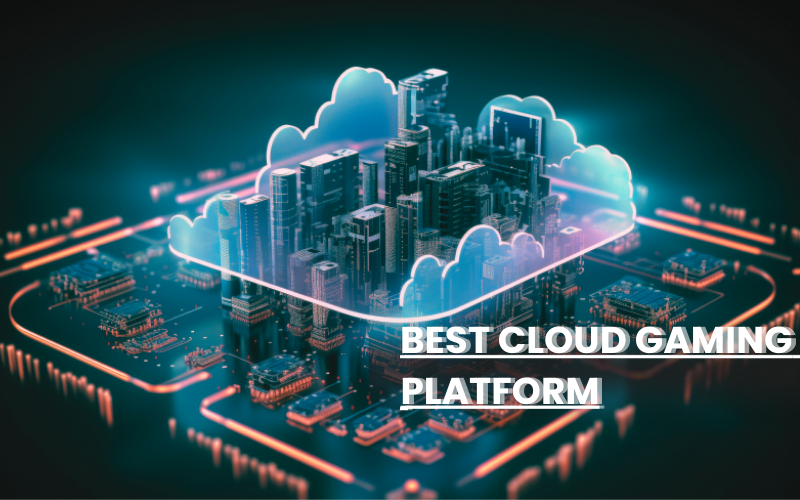
What is Cloud Gaming?
It allows users to play video games via remote servers, essentially streaming the game over the internet much like a Netflix show. Instead of relying on high-end PCs or consoles, cloud gaming offloads processing to powerful data centers, requiring only a stable internet connection and a compatible device.
This model dramatically lowers the barrier to entry, making AAA gaming more accessible than ever before. All you need is a screen and bandwidth.
The Big Players Leading the Charge
Several tech giants have thrown their weight into cloud gaming:1. NVIDIA GeForce Now NVIDIA’s cloud gaming service allows users to stream games they already own on platforms like Steam or Epic Games Store. Its biggest strength lies in performance—GeForce Now supports up to 4K resolution at 120 FPS, depending on your subscription and connection quality. It's a gamer’s dream for those who value raw power and customization.- Xbox Cloud Gaming (formerly xCloud)
- Amazon Luna
How Cloud Gaming Is Changing the Industry
- Hardware is Becoming Optional
- Subscription Models are the New Standard
- Game Ownership is Evolving
- Accessibility is Skyrocketing
- Cross-Platform Play and Portability
Challenges Still Ahead
Despite the progress, cloud gaming isn’t without issues:- Latency & Connection Quality: Fast, stable internet is essential. In regions with poor infrastructure, It is still impractical.
- Data Caps: Streaming games in high quality can eat through data quickly. This is a concern in countries with strict bandwidth limits.
- Game Availability: Not every platform supports every game. Licensing and partnerships affect what’s playable on which service.
- Preservation & Ownership: With games stored in the cloud, players have less control over their libraries. If a game is removed from a service, it’s gone for the user too.
The Future: A Cloud-First Gaming World?
While traditional hardware will remain relevant in the near term, This is clearly carving out a major role. In the next 5–10 years, we could see:- Cloud-native games designed specifically for streaming.
- More hybrid models combining local and cloud performance.
- Greater competition driving down subscription costs.
- Consolidation of services into unified cloud gaming ecosystems.
Final Thoughts
Cloud gaming isn’t just a trend—it’s a transformation. It’s reshaping the gaming industry by breaking down walls: walls between devices, between gamers and game libraries, and between high-end experiences and accessibility. While challenges remain, the future is clear: gaming is no longer confined to your living room or your GPU.
Comments
Leave a comment Replying to
Comments are reviewed before they appear. Your email is never published.