
Why You Feel Tired After 8 Hours of Sleep
Sleep isn’t always restful—discover hidden health traps like sleep disorders, stress, and habits that drain your energy daily.
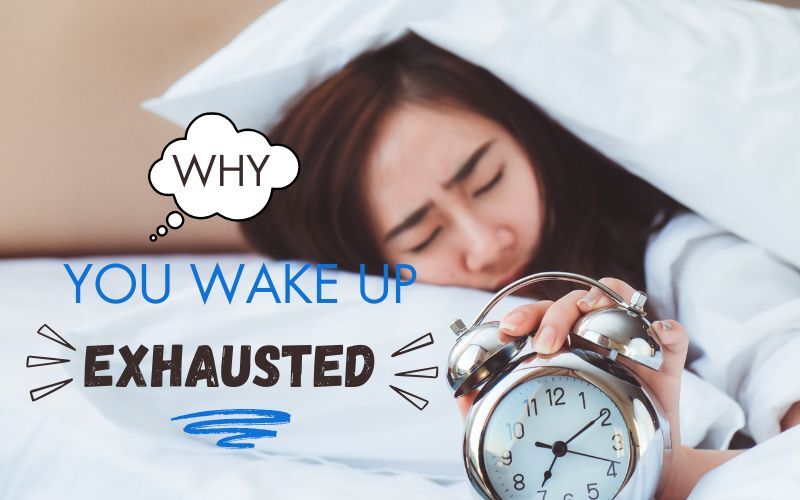
You’ve had your eight hours of sleep. You went to bed at a decent time. You didn’t even check your phone (much). But when the alarm rings, your body feels like it just ran a marathon. You drag yourself out of bed, thinking maybe a coffee will fix it. Again.
Sound familiar?
This is something millions of people experience daily, and it’s not just about being a night owl or skipping your multivitamin. The real reasons why you wake up tired go deeper—into your habits, environment, mental state, and even your gut.
Let’s break it down simply and clearly, without overcomplicating it.
1. You’re Sleeping, But Not Resting
Not all sleep is good sleep. You might be asleep for 8 hours, but if you aren’t getting enough deep sleep or REM sleep—the parts where your body actually repairs and resets—you’ll still feel drained.Why this happens:
- Scrolling your phone before bed disrupts your melatonin production (the sleep hormone).
- Stress keeps your mind racing even when your eyes are closed.
- Eating late forces your body to digest instead of rest.
- Irregular sleep times confuse your internal clock.
Fix it:
- Power down screens 30–60 minutes before sleeping.
- Try relaxing activities before bed—reading, stretching, or light journaling.
- Keep your sleep schedule consistent, even on weekends.
2. You’re Mentally Exhausted
Your brain isn’t a machine. When it’s overloaded with notifications, deadlines, and doom-scrolling, it gets exhausted. This mental fatigue doesn’t just feel like stress—it translates into physical tiredness. You might go to sleep mentally drained and wake up feeling like you didn’t rest at all.Fix it:
- Start your mornings quietly—no social media first thing.
- Take mini mental breaks throughout your day. Walk, breathe, do nothing.
- End your day with a brain dump—write down all thoughts in a notebook.
3. You’re Nutrient Deficient Without Knowing It
Low iron, vitamin D, or B12 are common culprits behind unexplained fatigue. You might eat well, but if your body isn’t absorbing nutrients properly—or if your diet lacks variety—your energy tanks fast.Symptoms to watch:
- Pale skin
- Brain fog
- Mood swings
- Dizziness or headaches
Fix it:
- Add leafy greens, nuts, eggs, and dairy to your meals.
- Spend at least 15 minutes in sunlight daily.
- Consider a basic blood test and ask your doctor about supplements if needed.
4. Your Gut Is Working Against You
An unhealthy gut means your body can’t properly absorb the nutrients and energy you consume. Bad bacteria in your digestive system can also cause inflammation, mood swings, and—you guessed it—chronic fatigue.Signs your gut is unhappy:
- Bloating
- Irregular bowel movements
- Low immunity
- Unexplained tiredness
Fix it:
- Eat probiotic-rich foods like curd, buttermilk, and pickles (yes, Indian pickles!).
- Cut down on sugar and ultra-processed snacks.
- Hydrate. Your digestive system loves water.
5. Too Much Screen Time, Not Enough Downtime
We are constantly plugged in. TVs, laptops, smartphones—your brain gets no break. Blue light from screens messes with your sleep hormones. Even emotionally, the endless stream of news, reels, and notifications keeps your brain alert when it should be winding down.Fix it:
- Use blue light filters or night mode after sunset.
- Replace nighttime screen time with music, drawing, or even doing nothing.
- Practice a no-phone zone: one hour before bed and one hour after waking up.
6. You're Not Moving Enough
Lack of physical activity slows your metabolism and reduces the oxygen flow to your brain. Ironically, doing nothing makes you feel more tired. Even gentle activity like stretching or walking helps your body release endorphins and boosts circulation—which are both key for better sleep and energy.Fix it:
- Move for 15 minutes every morning—even if it’s just dancing or light yoga.
- Walk after meals instead of sitting down right away.
- Get up and stretch every 45 minutes during work.
7. You’re Not Breathing Right (Seriously!)
Shallow breathing—especially if you’re anxious or always rushing—reduces oxygen supply to your body and brain. This leads to fatigue, fogginess, and irritability. Also, if you snore or suffer from sleep apnea, your oxygen levels drop while sleeping—causing you to wake up feeling like you barely slept.Fix it:
- Practice 5 minutes of deep breathing before bed.
- Sleep on your side to reduce snoring.
- If you often wake up gasping or feeling unrested, consult a doctor about a sleep study.
Final Thoughts: Energy Is a Daily Investment
Waking up tired is your body’s way of telling you something is off. It’s not normal, and you don’t have to live like that. Sleep is just one piece of the puzzle. Real energy comes from:- Balanced nutrition
- Healthy routines
- Calm mind
- A happy gut
- And regular movement

Comments
Leave a comment Replying to
Comments are reviewed before they appear. Your email is never published.