
How Sustainable Fashion Is Defining Style in 2025
Sustainable fashion in 2025 blends eco-conscious choices with cutting-edge style, shaping the future of what we wear and why.
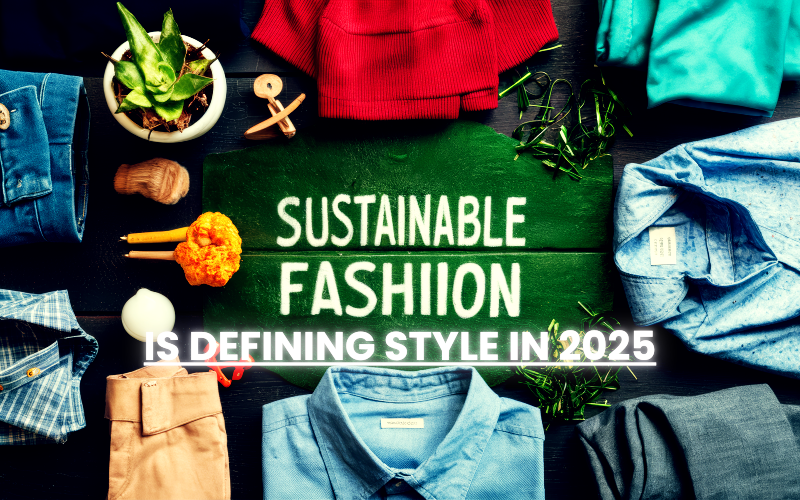
In 2025, fashion is no longer just about looking good—it's about doing good. From eco-conscious materials to ethical production practices, sustainable fashion has moved from niche movement to mainstream trend. Consumers are more informed, brands are more accountable, and the industry is undergoing a transformation that’s reshaping what it means to be stylish.
But how exactly is sustainable fashion defining style in 2025? Let’s explore how this shift is influencing what we wear, how we shop, and how we express ourselves through clothing.
The Rise of Conscious Consumerism
Today's consumers are no longer just price-sensitive—they're value-sensitive. Millennials and Gen Z, in particular, are driving demand for brands that reflect their ethics and environmental concerns. They’re asking questions like:- Where was this made?
- Who made it, and were they paid fairly?
- Is this fabric biodegradable or recyclable?
Style Meets Sustainability
Gone are the days when sustainable fashion meant dull designs or overly basic styles. In 2025, eco-friendly clothing is bold, expressive, and runway-worthy. Designers are finding innovative ways to merge ethics with aesthetics:
- Plant-based fabrics like mushroom leather (Mylo), orange peel silk, and hemp blends are now standard in luxury and streetwear alike.
- Natural dyes and low-impact color processes are creating beautiful, vibrant pieces with minimal environmental damage.
- Circular design—where garments are made to be repaired, reused, or recycled—is influencing silhouettes and garment structure.
The Popularity of Circular Fashion
One of the biggest shifts in 2025 is the popularity of circular fashion models:- Clothing rental platforms like Rent the Runway have expanded globally, offering everything from daily wear to luxury occasion pieces.
- Thrift shopping and vintage resale are booming, both online and in curated physical boutiques.
- Brand take-back programs are becoming the norm, allowing customers to return worn items for repair, resale, or recycling.
Brands Leading the Way
Many fashion brands are stepping up and prioritizing sustainability in both message and material. These aren’t just small eco-labels anymore—mainstream brands are joining in:- Patagonia continues to lead with transparency and circular design.
- Stella McCartney pushes boundaries with cruelty-free luxury and plant-based fabrics.
- H&M’s Conscious Collection now features fully traceable materials and supply chains.
- New players like Pangaia, Reformation, and Veja are inspiring copycat models with their success.
Changing Shopping Habits
In 2025, consumers shop with a more intentional mindset. Impulse buys are being replaced by:- Capsule wardrobes that prioritize timeless essentials
- Pre-purchase research into brand ethics and supply chain practices
- Price-per-wear calculations rather than one-time affordability
Global Impact and Challenges
While sustainable fashion is rising in popularity, the industry still faces big challenges:Greenwashing
Some brands exaggerate their environmental efforts to capitalize on trends. Consumers must remain skeptical and look for third-party certifications like GOTS, Fair Trade, and OEKO-TEX.Accessibility and Affordability
Sustainable options often come at a higher price, which can be a barrier for many. However, the rise of resale platforms, swaps, and rentals is helping bridge this gap.Fast Fashion’s Lingering Influence
Despite the sustainability movement, fast fashion remains a dominant force—particularly in developing markets. Education, policy changes, and cultural shifts are needed to balance economic needs with environmental responsibility.The Future of Fashion Is Green
Looking ahead, sustainable fashion isn’t just a trend—it’s the future of the industry. In the next few years, we can expect:- AI-assisted design to reduce waste in prototyping
- Biodegradable packaging becoming standard
- Legislation pushing brands to report and reduce their emissions
- Community-focused fashion initiatives empowering local makers and craftspeople
Final Thoughts
In 2025, fashion isn’t just about trends—it’s about making thoughtful choices that blend beauty with responsibility. Sustainable fashion is proving that style doesn’t need to come at the planet’s expense. Instead, it can be a celebration of creativity, care, and conscious living. So the next time you refresh your wardrobe, ask not just “What’s in style?” but also: “What does my style say about the world I want to live in?”

Comments
Leave a comment Replying to
Comments are reviewed before they appear. Your email is never published.