
Ayurveda in 2025: Modern Uses of Ancient Wisdom
Explore how Ayurveda is evolving in 2025, blending ancient wisdom with modern practices for holistic health and wellness.
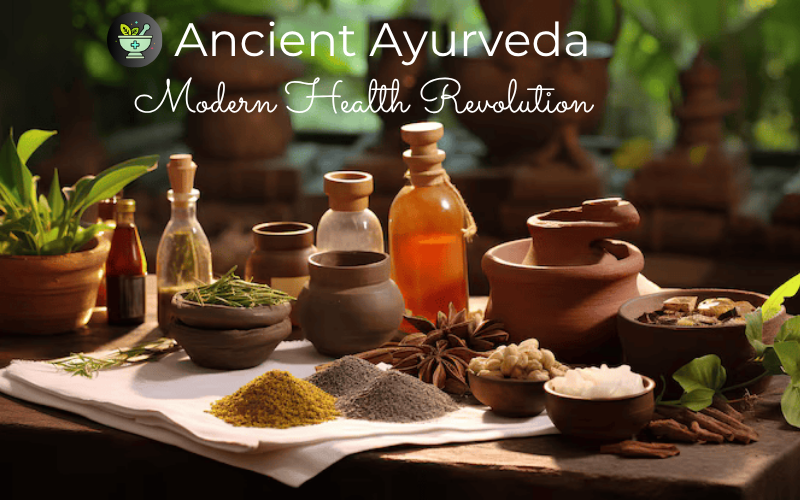
What Is Ayurveda? A Timeless Healing System
Ayurveda, which translates to “the science of life,” is based on balancing the mind, body, and spirit through individualized approaches to diet, lifestyle, and treatment. It centers around three doshas—Vata, Pitta, and Kapha—which govern bodily functions. The goal of Ayurveda is not just to cure illness, but to maintain health and prevent disease. Historically, Ayurveda offered insights on nutrition, detoxification, herbal remedies, meditation, and even surgery. In 2025, this ancient wisdom is being reframed with evidence-based studies and real-time digital applications.The Rise of Ayurveda in 2025
The past decade has seen a surge in interest in natural health solutions across the globe. Several factors have driven Ayurveda's comeback:- Post-COVID Health Consciousness: A global focus on immunity and preventive health created space for Ayurvedic immunity boosters like Chyawanprash, Ashwagandha, and Giloy to gain mainstream recognition.
- Government Support: India’s Ministry of AYUSH has invested heavily in promoting Ayurveda, funding research, startups, and educational institutions.
- Global Recognition: The World Health Organization (WHO) included traditional medicine, including Ayurveda, in its global health strategy. Indian Ayurvedic brands have gone global.
Modern Applications of Ayurveda in 2025
Today’s Ayurveda isn’t just herbal powders and oil massages. It is digitized, customized, and often validated by modern science. Here's how Ayurveda is being used in everyday life:🧬 1. Personalized Wellness Through AI & Genomics
In 2025, tech startups are integrating Ayurvedic principles with AI-driven health apps and genomic data. These platforms analyze users' genetic predispositions, lifestyle, and dosha imbalances to offer personalized diet and lifestyle plans.- Example: An app may suggest turmeric milk for inflammation in a Pitta-dominant individual while offering a cooling diet for someone with a Kapha imbalance.
- Result: Ayurveda becomes more evidence-based and tailored, shedding its one-size-fits-all image.
🍵 2. Ayurvedic Nutrition and Superfoods
Indian kitchens have become wellness centers. Ayurveda-inspired cooking has exploded in popularity, with a focus on seasonal eating, digestive spices, and functional foods.- Millets, declared the "Shree Anna" of India, are now a staple.
- Triphala smoothies, Amla shots, and Moringa lattes are trending health drinks.
- Spices like turmeric, cumin, fennel, and ginger are rebranded as functional herbs in both Indian and Western markets.
🧘♀️ 3. Mental Health & Mindfulness Practices
With the rising awareness around mental health, Ayurvedic practices like Abhyanga (self-massage), Shirodhara, and Nasya are now widely adopted for stress relief and emotional balance.- Meditation apps incorporate Ayurvedic breathing techniques (Pranayama).
- Ashwagandha, an adaptogen, is prescribed for managing anxiety and sleep issues.
- Ayurvedic psychology (Manas Roga) is being integrated into therapy and counseling frameworks.
💆♂️ 4. Skincare and Beauty – The Ayurvedic Way
The beauty industry in India and abroad is shifting toward natural, chemical-free solutions. Ayurvedic beauty has emerged as a major trend in 2025.- Kumkumadi oil, neem face packs, and sandalwood creams are popular for skin ailments.
- Startups are offering personalized skincare routines based on dosha types.
- Influencers and dermatologists are collaborating on “skin from within” philosophies rooted in Ayurveda.
🏥 5. Integration with Mainstream Healthcare
Ayurveda and allopathy are no longer rivals. In 2025, integrative clinics offer dual consultations with Ayurvedic practitioners and modern doctors. Hospitals are now:- Using Ayurvedic herbs alongside pharmaceuticals to reduce side effects.
- Offering Ayurvedic therapies post-surgery for faster recovery.
- Collaborating on clinical trials to validate Ayurvedic treatments for chronic illnesses.
Challenges in the Modern Era
Despite Ayurveda’s progress, it still faces challenges:- Standardization: With multiple formulations and regional variations, ensuring consistency in products is complex.
- Scientific Validation: Critics often demand more clinical trials and peer-reviewed research.
- Misinformation & Commercialization: Over-the-counter Ayurvedic products with exaggerated claims dilute credibility.
- Qualified Practitioners: There’s a rise in “Instagram Vaids” with little formal training, which may harm public trust.
Government & Industry Support in India
The Indian government has continued its proactive support through:- AYUSH Grid: A digital framework to connect practitioners, research, and services.
- Integration in Education: Ayurveda is being introduced in CBSE health curriculums.
- International Collaboration: MoUs signed with countries to set up AYUSH centers abroad.
Case Studies: Real-World Impact
📍 Urban Wellness Clinics in Bangalore & Delhi
- Ayurveda clinics now offer body constitution assessments using smart diagnostics.
- Treatment includes diet plans, detox therapies (like Panchakarma), yoga classes, and herbal prescriptions.
📍 Rural Integration in Kerala and Uttarakhand
- Government centers integrate Ayurveda with public health programs.
- Women are being trained as Ayurveda community health workers, improving local outreach.
Future Trends in Ayurveda
As Ayurveda evolves further, here's what we can expect: 🔹 Tele-Ayurveda: Video consultations, remote diagnosis tools, and prescription delivery. 🔹 Ayurvedic Medical Tourism: Packages that combine wellness retreats, cultural immersion, and traditional therapies. 🔹 Smart Dosha Devices: Wearables that monitor daily lifestyle and alert users of imbalances in doshas. 🔹 Eco-Ayurveda: Sustainable farming of medicinal herbs and green Ayurvedic product lines.Conclusion: A New Era of Ancient Wisdom
In 2025, Ayurveda is no longer just a relic of India’s past—it is a vibrant, evolving system that addresses modern health needs with ancient intelligence. From personalized health tech to everyday kitchen practices, its principles are more relevant than ever. As Ayurveda continues to blend with science and technology, its essence remains unchanged: healing in harmony with nature. By embracing its timeless wisdom and adapting it for today’s world, we are not just rediscovering Ayurveda—we are reimagining wellness itself.

Comments
Leave a comment Replying to
Comments are reviewed before they appear. Your email is never published.