
Top 7 Public Health Issues to Track in 2025
Explore the top 7 public health issues to track in 2025. Stay informed on emerging challenges and global health trends shaping the future.
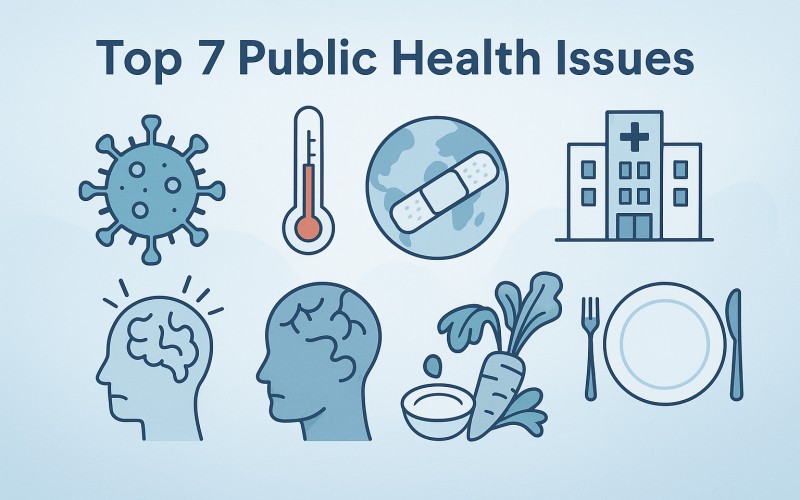
As we progress through 2025, the landscape of public health continues to evolve rapidly. From viral outbreaks to digital health dilemmas, staying informed is not just helpful—it’s essential. Here are 7 major public health issues to watch in 2025, and how they may impact communities around the world.
1. Avian Flu: A Rising Pandemic Risk
After a quiet period, H5N1 avian flu is resurging, with new strains infecting wild birds, poultry, and even mammals. The CDC has confirmed a few human cases, mainly in agricultural settings. The concern? Mutation potential.
What’s new in 2025:
-
Cross-species transmission is being monitored closely.
-
Vaccines are in development, but none are widely distributed yet.
Pro Tip: Watch global health organizations like WHO and CDC for travel advisories or updated poultry handling guidelines.
2. The Silent Surge in Alcohol-Related Diseases
While smoking rates continue to fall, alcohol-related liver disease is quietly climbing. Studies now link even moderate drinking with higher cancer and cardiovascular risks.
2025 data shows:
-
Liver transplants for alcohol-related issues have increased by 25% since 2020.
-
Young adults are reporting higher binge-drinking rates post-pandemic.
Pro Tip: If you’re covering health on social media or in your practice, include alcohol screening tools alongside mental health ones.
3. Climate Anxiety and Mental Health
Climate change isn’t just an environmental issue—it’s a mental health crisis. Terms like "eco-anxiety" and "climate grief" are gaining attention, especially among Gen Z.
Key 2025 facts:
-
Nearly 60% of young people report being “extremely worried” about climate change.
-
Mental health services are starting to include environmental therapy in urban areas.
Pro Tip: Mental health professionals should consider adding climate resilience education to their toolkits.
4. Vaccine Hesitancy in the Post-COVID Era
Vaccine hesitancy is evolving, not disappearing. Misinformation and politicization have spilled over into routine immunizations—measles, HPV, even polio.
In 2025:
-
WHO named vaccine misinformation one of the top 10 global health threats.
-
Uptake for childhood vaccines has declined in some U.S. states and parts of Europe.
Pro Tip: Blogs, infographics, and local campaigns still matter. Use accessible language and trusted community figures to reframe trust.
5. Ultra-Processed Foods and the Metabolic Health Crisis
The Western diet is being exported—and so are the health risks. Obesity, type 2 diabetes, and fatty liver disease are exploding in countries that were once considered low-risk.
2025 updates:
-
Ultra-processed foods now make up more than 60% of calories in many diets.
-
New gut microbiome research links processed foods to anxiety and inflammation.
Pro Tip: Use the “80/20 Rule” approach when discussing nutrition—focus on realistic, not rigid, lifestyle change.
6. Screen Time and Adolescent Brain Development
There’s growing concern that excessive screen exposure is reshaping children’s cognitive and social development—particularly in ages 8–15.
This year’s findings include:
-
Increased risk of attention issues and emotional dysregulation.
-
Possible links to early-onset depression and sleep disturbances.
Pro Tip: Parents and educators benefit from concrete limits and suggestions (e.g., “no screens 1 hour before bedtime” vs. vague advice).
7. Antibiotic Resistance: The Quiet Killer
Antibiotic-resistant infections are projected to cause more deaths than cancer by 2050 if left unchecked. Overprescription and agricultural misuse remain key drivers.
2025 alert:
-
New "superbug" strains are immune to last-line antibiotics.
-
Global surveillance systems are better—but patchy.
Pro Tip: Push for awareness campaigns on when antibiotics are needed (and when they’re not). Patients often don't realize that colds and flu don’t respond to antibiotics.
Final Thoughts: Why It All Matters
Public health in 2025 is deeply interconnected—a zoonotic virus in one region can impact mental health in another. Understanding the Top 7 Public Health Issues helps connect the dots between global trends and local action. Staying informed empowers you to make smarter choices, advocate effectively, and push for policies that protect everyone.
Want to Help?
-
Share this post with your community.
-
Support local health programs—especially vaccine drives and nutrition education.
-
Start small—whether it’s reviewing your own screen time or rethinking dinner ingredients.
Pro Tip for Bloggers & Educators:
Turn this blog into a downloadable cheat sheet or infographic series. It’s great for classrooms, clinics, or your newsletter audience.


Comments
Leave a comment Replying to
Comments are reviewed before they appear. Your email is never published.