





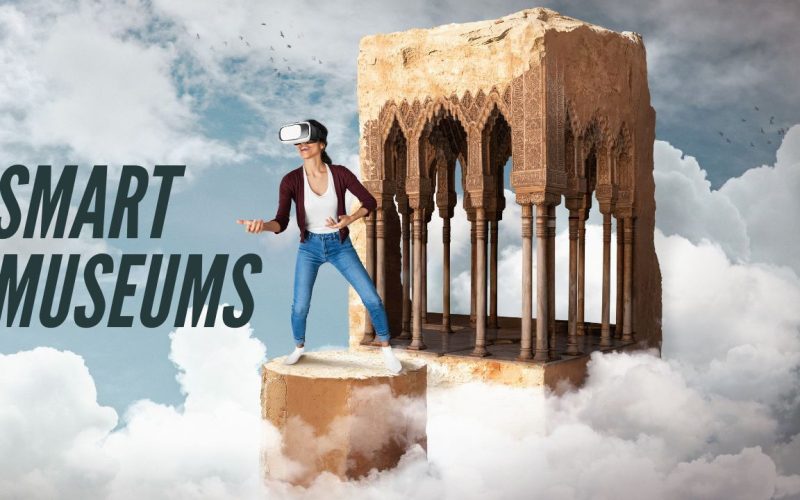
India has always been a land rich with history, art, and cultural heritage. But if you’ve ever walked into a traditional museum, you’ve probably noticed the dusty glass cases, faded text panels, and quiet halls that seem more intimidating than inspiring. Now imagine pointing your phone at a centuries-old sculpture and watching it come to life with a voiceover, animations, and 3D reconstructions. That’s what Augmented Reality (AR) is doing—redefining the museum experience in India.
In a world where attention spans are shrinking and screens dominate daily life, AR might just be the key to making history exciting again.
What is AR in Museums?
Augmented Reality blends the physical and digital worlds. In museums, it means you can point your smartphone or tablet at an exhibit and instantly see extra information layered over it—think of animations, videos, or interactive 3D models floating over real-world objects. Instead of reading long paragraphs on placards, visitors are now experiencing stories—right from their screens.
This technology turns static displays into immersive journeys. For example, a faded painting might reveal its original colors, the artist’s backstory, and even how it was made—all by hovering a device in front of it.
Why It Matters in India
India is home to thousands of museums and historical sites, from ancient temples to colonial buildings. But many of them face challenges: outdated infrastructure, limited budgets, and a lack of modern engagement tools. AR helps fill that gap.
- Bringing Regional History into the Spotlight:
AR allows smaller museums in tier-2 and tier-3 cities to showcase their treasures in a modern way without large renovations. - Capturing Gen Z’s Attention:
Young Indians are growing up in a digital world. AR speaks their language—making cultural learning interactive, visual, and fun. - Reaching Remote Audiences:
Even if you can’t visit a museum physically, AR apps can let you walk through virtual versions of exhibits from your phone.
Real Examples from Indian Museums
India is already experimenting with AR in some exciting ways:
- Indian Museum, Kolkata: Visitors can scan QR codes next to artifacts to see 3D visualizations and listen to expert narrations.
- Chhatrapati Shivaji Maharaj Vastu Sangrahalaya (CSMVS), Mumbai: Has trialed AR experiences that let visitors “restore” broken sculptures digitally.
- Virtual Tours with AR Elements: Apps like MuseAR and Smartify allow users to take AR-enabled museum tours from home.
And it’s not just government institutions. Private museums and art galleries are also embracing this tech to attract wider, younger audiences.
Behind the Scenes: The Technology That Powers AR
Creating AR experiences in museums involves a mix of:
- Marker-Based AR: Uses image recognition (like scanning a painting or a statue) to trigger digital overlays.
- Location-Based AR: Activated when visitors move through specific areas.
- 3D Scanning & Modeling: Used to create lifelike digital versions of ancient relics.
- AR-Enabled Apps: Custom or third-party apps deliver AR content through smartphones or tablets.
Some museums even provide AR headsets or tablets to visitors, although most opt for mobile-friendly options to keep things simple.
The Impact on Visitors
AR isn’t just a gimmick—it’s changing how people interact with culture:
- Deeper Engagement: Studies show AR users spend more time at exhibits compared to non-AR users.
- Emotional Connection: When history is told through visual stories, it resonates more deeply.
- Educational Value: AR makes museums more effective for students and young learners.
Visitors leave not just with photos, but with experiences that stick.
Challenges and Workarounds
Of course, it’s not all smooth sailing.
- Tech Literacy: Not all visitors are comfortable with apps or scanning tools.
Solution: Offer guided demonstrations or staff assistance. - Device Compatibility: AR apps may not work on older phones.
Solution: Provide tablets or rent devices at the museum. - Content Creation Costs: High-quality AR content isn’t cheap.
Solution: Partner with AR startups or art schools for collaborative projects.
Many Indian museums are adopting hybrid strategies—mixing traditional and tech experiences to cater to all types of visitors.
What’s Next for AR in Indian Museums?
The future looks bright—and very interactive. Expect to see:
- Regional Language Voiceovers: Making AR more accessible across India.
- AI Integration: Personalized exhibit tours based on interests.
- AR-VR Combo Tours: Step into a historical battlefield or royal courtroom from centuries ago.
- Collaborations with Schools & Colleges: Using museums as live classrooms with tech-led lessons.
Some museums are even planning night tours with AR lighting and audio effects for a cinematic experience.
Final Thought
AR is more than just a tech trend—it’s a storytelling revolution. For Indian museums, it’s a chance to reconnect with the public, especially the younger generation, and present history in a way that’s fresh, interactive, and unforgettable.
As more museums across the country embrace augmented reality, they’re not just preserving the past—they’re reimagining it for the future.


