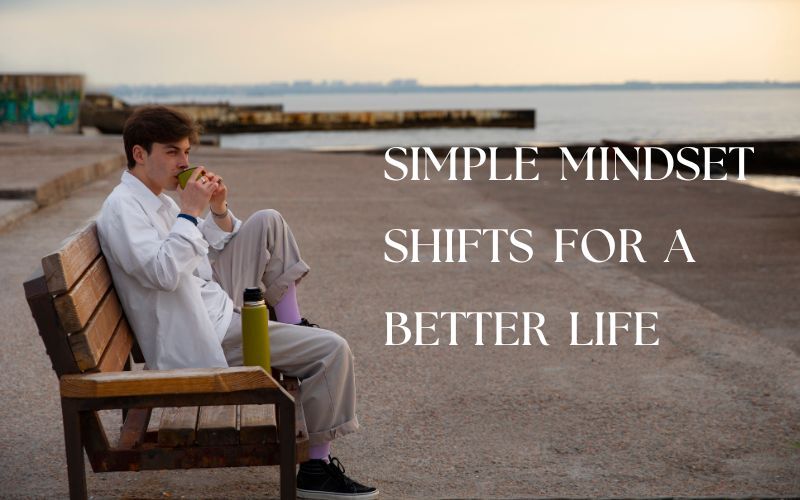
In a world full of distractions, pressures, and fast-paced living, happiness often feels like a distant goal. But what if the key to a better life isn’t about changing your circumstances — it’s about changing your mindset? The way you think directly influences your actions, emotions, and quality of life. Small shifts in perspective can bring big changes. Here are some simple yet powerful mindset shifts to help you live a more meaningful and fulfilling life.
- From “I Have to” → “I Get to”
Many people approach their daily tasks with a sense of burden. “I have to go to work,” “I have to exercise,” “I have to cook.” This creates unnecessary stress and resistance. Reframe these statements as privileges:
- “I get to go to work” means you have a job and a source of income.
- “I get to exercise” means your body is healthy enough to move.
This subtle shift adds gratitude to your daily life and can turn mundane routines into meaningful actions.
- From Scarcity → Abundance
The scarcity mindset focuses on what’s lacking — time, money, opportunities, or love. It creates a sense of fear, jealousy, and comparison. Shifting to an abundance mindset means focusing on what you do have and believing there is enough for everyone.
Start by noticing small blessings — clean water, a roof over your head, access to learning. Then extend that to opportunities:
“There’s more than one chance to succeed. My time will come.”
This mindset opens you up to possibility and resilience.
- From “Failure is Bad” → “Failure is Feedback”
Fear of failure is a major barrier to growth. People often avoid trying new things just to avoid the possibility of failing. But failure is not the end — it’s a teacher.
When you shift your thinking to view failure as feedback, you allow yourself to grow. Ask:
- What can I learn from this?
- How can I do better next time?
Every successful person has failed — multiple times. It’s what they learned from it that made the difference.
- From Perfectionism → Progress
Perfectionism is the enemy of action. Waiting for the “perfect moment” or trying to get everything exactly right can leave you stuck. A better approach is to focus on progress, not perfection.
Remind yourself:
“Done is better than perfect.”
“Small steps still move me forward.”
Consistent effort beats perfect effort every time. Over time, progress leads to mastery and confidence.
- From Control → Acceptance
We often waste energy trying to control things that are simply beyond our reach — other people’s actions, past mistakes, the future. Shifting your mindset from control to acceptance can reduce anxiety and bring peace.
You can’t control the wind, but you can adjust your sails.
Acceptance doesn’t mean giving up. It means focusing your energy on what you can control: your thoughts, your actions, your reactions.
- From “I’m Too Busy” → “It’s Not a Priority”
How often do we say we’re too busy to meditate, exercise, or spend time with loved ones? What we often mean is: “It’s not a priority right now.”
This mindset shift forces honesty. If something is important, make time for it. If it’s not, let go of guilt and stop pretending it is.
Time is about choices. Owning your priorities brings clarity and control over your schedule.
- From Complaining → Gratitude
It’s easy to fall into the habit of complaining — about the weather, traffic, people, or your job. But complaining rarely solves anything and often amplifies negativity. Replacing complaints with gratitude can change your entire outlook.
Each time you catch yourself complaining, try to name one thing you’re thankful for instead. Over time, this rewires your brain to focus on the positive and builds emotional resilience.
- From Comparison → Self-Compassion
Social media and modern culture make it hard not to compare your life to others. But comparison often leads to feelings of inadequacy. The truth is, you don’t see people’s struggles, only their highlights.
Shift your mindset to focus on your own path. Practice self-compassion by recognizing that you are doing your best with what you have. Celebrate your own small victories.
Remember:
“You can’t compare your Chapter 1 to someone else’s Chapter 20.”
- From “Why Me?” → “What Can I Learn?”
When life gets hard, it’s natural to ask, “Why me?” But this question can keep you stuck in a victim mindset. Try asking instead:
- “What can this teach me?”
- “How can I grow from this?”
Even in pain or failure, there are valuable lessons — patience, resilience, empathy. Turning struggle into growth builds emotional strength and helps you navigate future challenges with wisdom.
- From Instant Gratification → Long-Term Fulfillment
We live in a culture of digital dopamine — quick likes, fast food, and instant shopping. But long-term happiness requires patience and delayed gratification.
Shifting from immediate pleasure to long-term reward means choosing what’s meaningful over what’s easy. For example:
- Choosing a workout over scrolling your phone
- Saving money instead of spending impulsively
- Reading a book instead of binge-watching a show
These choices compound over time and create a richer, more rewarding life.
Final Thoughts
You don’t need to radically change your life to feel better — just start with how you think. These mindset shifts are simple, but powerful. They help you see life with more clarity, resilience, and positivity.