
Festivals & Fitness: Health Rituals in Cultural Celebrations
Explore the connection between festivals and fitness, highlighting health rituals that enhance well-being during cultural celebrations.
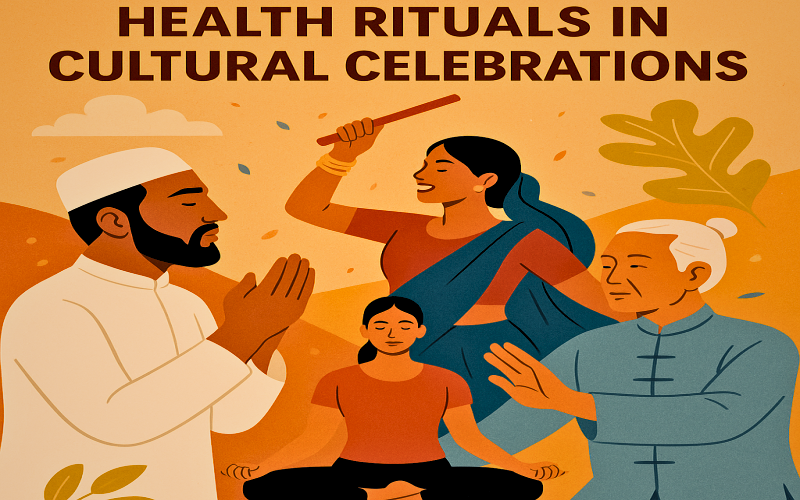
The Hidden Wellness Blueprint in Celebrations
Festivals are more than just breaks from routine—they are cyclical resets. They align communities with seasons, natural cycles, and spiritual or religious calendars. Many of them are structured around purification, renewal, gratitude, and community bonding. As a result, they often include behaviors and rituals that are beneficial to physical and mental health. From yoga marathons on International Yoga Day to the full-body cardio of Garba during Navratri, from the detox of Ramadan fasting to the cleansing fire rituals of Scandinavian midsummer celebrations—these practices highlight a remarkable convergence of cultural heritage and health consciousness. Let’s explore some prominent festivals across different cultures and how their traditions support wellness and fitness.- Ramadan (Islamic World): Fasting & Spiritual Discipline
Health Ritual: Intermittent Fasting
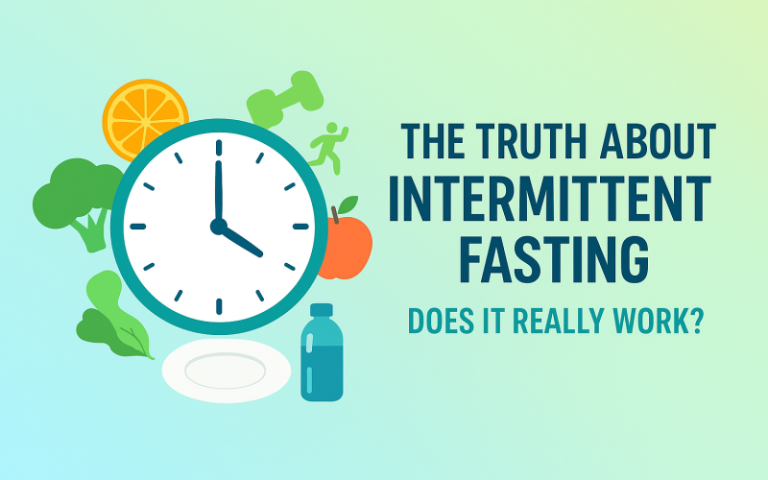
During the holy month of Ramadan, Muslims fast from dawn to sunset. While the spiritual aim is to foster discipline, humility, and closeness to God, the physical effects mirror what modern science recognizes as intermittent fasting. Studies show that intermittent fasting can:- Improve metabolic health
- Reduce inflammation
- Enhance fat-burning and insulin sensitivity
- Improve mental clarity and focus
- Navratri (India): Dance, Detox & Plant-Based Diets
Health Rituals: High-Energy Dance & Sattvic Diets
Navratri, the nine-night Hindu festival dedicated to the goddess Durga, includes intense nightly dance rituals such as Garba and Dandiya Raas. These dances are not just celebrations—they are cardiovascular workouts involving constant movement, coordination, and rhythm, often lasting hours. Health benefits:- High-calorie burn (up to 500–600 calories per hour)
- Cardiovascular endurance
- Improved coordination and muscle tone
- Lent (Christianity): Self-Control & Abstinence
Health Ritual: Detox Through Abstention
In the Christian tradition, Lent is a 40-day period of prayer, penance, and fasting before Easter. Many people give up indulgences like sweets, alcohol, meat, or even social media. This voluntary abstinence encourages:- Better eating habits
- Mental clarity and emotional discipline
- Detoxification of body and mind
- Chinese New Year: Family, Food & Tai Chi
Health Ritual: Tai Chi and Ancestral Practices
While Chinese New Year is associated with feasting and fireworks, it also includes ancestral rituals and exercises like Tai Chi and Qigong, especially among older adults. These slow, meditative movement arts:- Improve flexibility and balance
- Reduce stress and anxiety
- Enhance joint health and longevity
- International Yoga Day (Global/India): Mind-Body Awareness
Health Ritual: Mass Yoga Sessions
Declared by the United Nations in 2015, International Yoga Day (June 21) celebrates yoga's ancient roots and its modern relevance. Millions participate in collective yoga sessions across parks, schools, and city centers worldwide. Benefits of yoga:- Improved flexibility, strength, and posture
- Stress reduction through breathing techniques (pranayama)
- Enhanced mindfulness and focus
- Holi (India): Color, Movement, and Laughter
Health Ritual: Active Play and Emotional Release
Holi, the Indian festival of colors, is a joyful explosion of dancing, chasing, playing, and color-throwing. While it seems chaotic, it serves multiple health functions:- Physical exercise: Running, dancing, and playing keep participants physically active.
- Social bonding: Sharing laughter and music improves emotional well-being.
- Emotional catharsis: Holi allows for the temporary suspension of social norms, providing a release for pent-up emotions.
- Scandinavian Midsummer: Nature, Movement & Sauna
Health Rituals: Outdoor Life and Sauna Culture
In Nordic countries, Midsummer celebrates the longest day of the year with bonfires, nature walks, dancing around maypoles, and sauna rituals. Health-enhancing aspects:- Connection with nature: Time outdoors reduces cortisol levels.
- Dancing: A joyful aerobic exercise.
- Sauna: Boosts circulation, reduces muscle soreness, and may even extend life expectancy according to some studies.
- Dia de los Muertos (Mexico): Walking Rituals & Ancestral Health
Health Rituals: Community Walks and Ancestral Foods
The Day of the Dead involves walking pilgrimages to cemeteries, setting up altars (ofrendas), and preparing traditional foods like tamales, fruits, and grains. While emotional healing is the festival’s primary goal—grieving and honoring ancestors—physical movement and traditional plant-based foods contribute to wellness. Walking meditation, community bonding, and emotional processing are increasingly recognized as important dimensions of health.- Thaipusam (South India/Malaysia): Pain Tolerance & Mind Control
Health Ritual: Fasting and Mental Endurance
Thaipusam involves extreme rituals such as body piercings and carrying heavy burdens (kavadis). Participants undergo rigorous fasting and mental preparation for days. Though not for everyone, this festival highlights:- Mind-body connection
- Pain tolerance
- Mental resilience
- Carnival (Brazil, Caribbean): Dance & Cardio Bliss
Health Ritual: High-Intensity Dance
Carnival is synonymous with Samba, Soca, and Afro-Caribbean dance styles. These are not just expressive arts—they’re intensive cardio sessions. Dancing during Carnival:- Can burn 400–700 calories per hour
- Tones muscles, especially in the legs and core
- Elevates mood through endorphin release
The Science of Ritual & Fitness
Anthropologists and psychologists suggest that rituals improve adherence. When health practices are embedded within cultural identity, they’re more likely to be sustained. Key takeaways from ritual-based fitness:- Consistency through tradition: People repeat them annually or seasonally.
- Community support: Rituals are social events, enhancing motivation.
- Symbolic meaning: The deeper meaning reinforces mental commitment.
Making Festival Rituals Part of Everyday Life
You don’t have to wait for a festival to adopt these rituals. Here are some practical takeaways:- Fast once a week to mimic spiritual fasting.
- Dance regularly for fun and cardio.
- Cook traditional, plant-based meals more often.
- Practice yoga or Tai Chi as a morning ritual.
- Create mini-rituals (e.g., nature walks, gratitude practice) at home.
Final Thoughts: Health is a Celebration
Festivals remind us that health doesn’t have to be about strict regimens or isolated routines. It can be joyful, rhythmic, and rooted in shared tradition. From dance floors to quiet fasts, from spiritual ceremonies to open-air gatherings, cultural celebrations across the world embody a natural integration of fitness and wellness. Rather than viewing health as a solitary pursuit, perhaps the secret lies in celebration—in honoring our bodies, minds, and communities through rituals that uplift and energize. So the next time you join a festival, remember: you're not just celebrating culture—you're also celebrating your health.

Comments
Leave a comment Replying to
Comments are reviewed before they appear. Your email is never published.