
How Young Indians Are Embracing Slower Living: No More Hustle
Explore how young Indians are rejecting hustle culture and embracing slower living, focusing on balance, well-being, and mindful lifestyles.
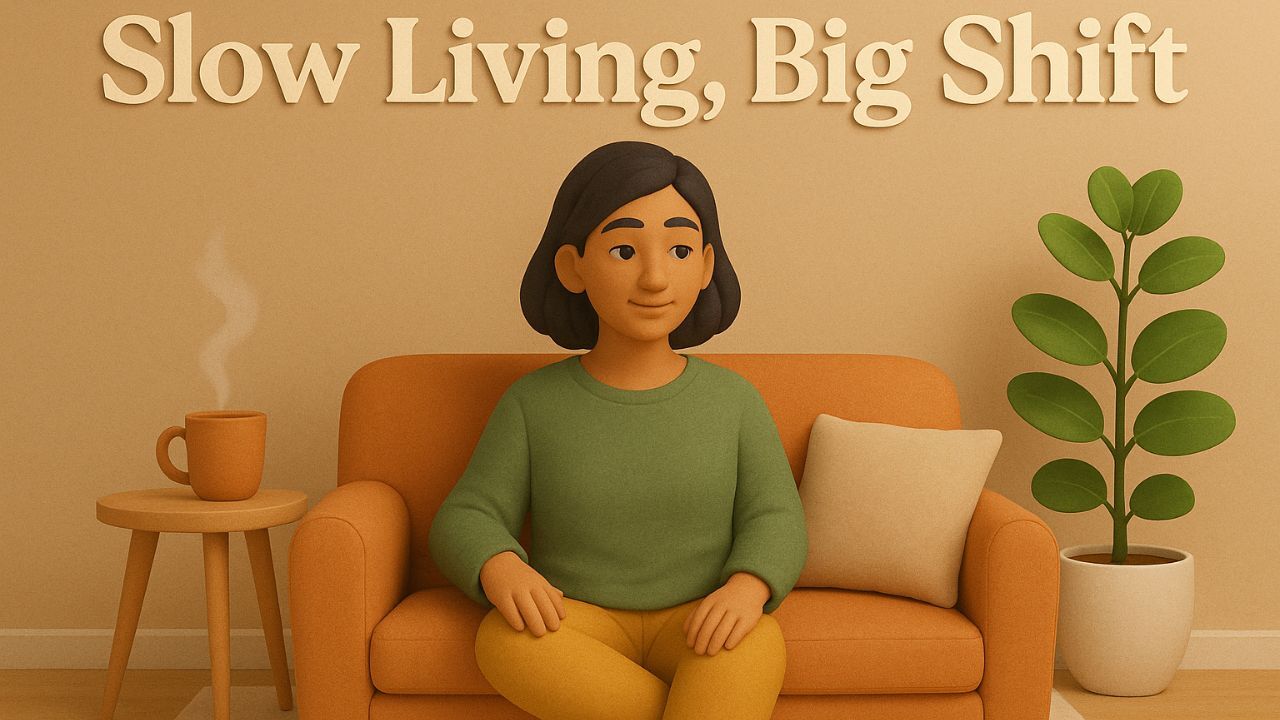
Just a few years ago, success in India meant the hustle: 12-hour workdays, side gigs, productivity podcasts, endless to-do lists, and wearing stress like a badge of honor. Everyone wanted to “rise and grind,” and burnout was almost a status symbol. But in 2025, How Young Indians Are Embracing Slower Living has become a powerful shift. Across urban India, a quiet movement is rising—and it’s all about slowing down. Young Indians are stepping away from the hustle mindset and embracing a lifestyle rooted in calm, balance, and presence. It’s not about being lazy—it’s about romanticizing the everyday and finding joy in doing less, better.
So how did we get here? And what does slower living look like in today’s hyper-connected, high-pressure world? Let’s unpack it.The Burnout Generation
India’s Gen Z and late millennials (aged roughly 22 to 38 today) grew up watching their parents work tirelessly. Many entered the workforce during the pandemic or post-pandemic digital boom, juggling work-from-home jobs, freelance gigs, content creation, and ambition-fueled side hustles. But by 2023–24, the signs of burnout became impossible to ignore:- Declining mental health
- Sleep issues
- Disconnection from real life
- Lack of satisfaction, even after achieving "goals"
What Is Slower Living, Exactly?
Slower living doesn’t mean doing nothing. It means being intentional. It’s about:- Saying no to unnecessary tasks.
- Creating space in your day to breathe.
- Prioritizing deep focus over multitasking.
- Building a lifestyle that values joy, rest, and real connection.
Signs of the Shift: What It Looks Like on the Ground
1. Morning Routines Over All-Nighters
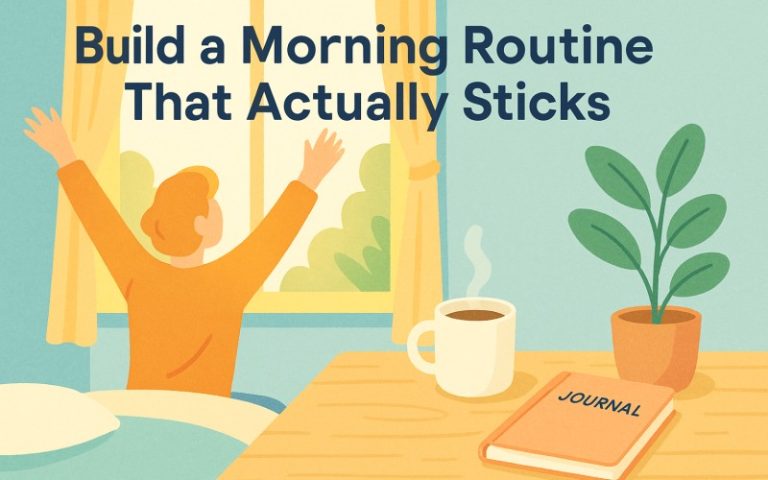
There’s a new obsession with quiet, mindful mornings. Whether it’s journaling, yoga, or sipping chai on the balcony—young Indians are starting their day slowly, without jumping straight to emails or meetings. Apps like Headspace, Calm, and Indian alternatives like Level SuperMind are growing in popularity.2. Leaving Toxic Work Cultures
More and more professionals are quitting high-paying but high-stress jobs to work for startups with better work-life balance—or to freelance on their own terms. The idea that you need to suffer to succeed is fading. Young professionals now value boundaries more than bonuses.3. Weekend Detox Plans
Instead of crowded malls or parties, young Indians are booking off-grid stays, visiting nature farms, or spending time in cafés with books and no screens. Even metro cities like Bangalore and Delhi are seeing the rise of “silent retreats,” “nature cafes,” and “digital detox stays.”4. Romanticizing the Everyday
One major aesthetic shift on social media: young Indians are romanticizing simple things—lighting candles, cooking slow meals, taking evening walks, or arranging flowers. It’s not about perfection; it’s about being present. Slowing down doesn’t require luxury—it requires attention.Why Slower Living Feels So Right Right Now
✦ Post-Pandemic Perspective:
The pandemic reminded everyone how fragile life is. Now, young people don’t want to spend their best years glued to a screen chasing KPIs—they want to live.✦ Health > Hustle:
More awareness about mental health has helped. Therapy isn’t taboo anymore. Neither is rest. Gen Z in India talks openly about burnout, anxiety, and the need to unplug.✦ Financial Independence:
Some millennials, especially those with remote jobs or stable freelancing income, are realizing they don’t need to “earn more” every month. They’d rather earn enough and live peacefully.Slower Living Is Now Marketable Too
This shift isn’t just personal—it’s cultural. Brands are tapping into the trend with:- Calming home décor collections
- Journaling kits and mindful stationery
- Self-care product lines
- “Slow fashion” brands with small collections
- Cafés designed as quiet, device-free zones
How to Start Slowing Down (Even If You Work Full-Time)
Slower living doesn’t mean quitting your job or moving to the hills. You can start small:- Set boundaries: No work calls after 7 PM.
- Single-task: Do one thing at a time with full focus.
- Limit screen time: Block 1-2 hours a day with no phone.
- Declutter: Fewer items, less distraction.
- Romanticize rituals: Morning chai, cleaning your room, writing by hand.
The Future of Indian Lifestyle?
As more young Indians choose this path, we might see long-term changes:- Workplaces adopting 4-day weeks or mental health days
- Cities building quieter, greener public spaces
- Wellness retreats becoming affordable and common
- A shift in values—where peace, not pressure, defines success

Comments
Leave a comment Replying to
Comments are reviewed before they appear. Your email is never published.