
Cricket World Cup 2025: The Most Tech-Driven Edition Yet
how the Cricket World Cup 2025 is set to be the most tech-driven edition ever, with innovations enhancing gameplay and fan experience.
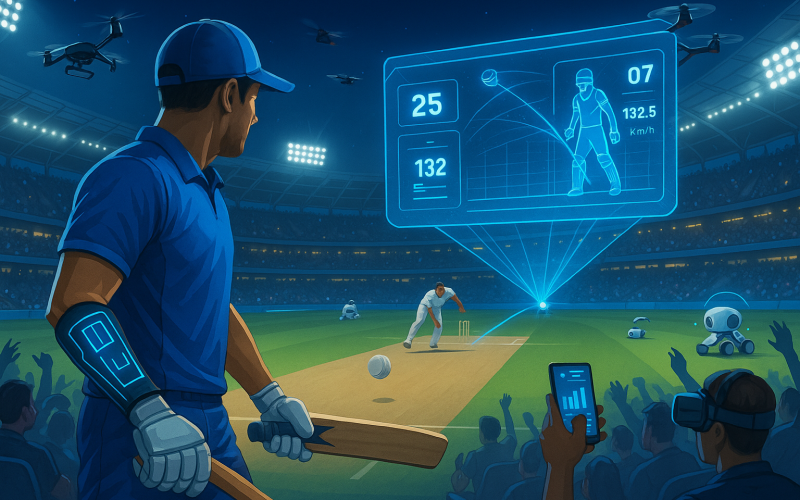
Cricket has long been more than just a sport—especially in countries like India, Australia, England, and Pakistan, where it's a way of life. But the Cricket World Cup 2025 is taking the game to an entirely new level, blending tradition with innovation like never before. What makes this edition stand out? It's the unprecedented integration of technology across all dimensions—from gameplay and broadcasting to fan engagement and stadium experiences.
Let’s take a closer look at how the 2025 World Cup is redefining cricket with cutting-edge tech.
- Smart Stadiums: Immersive Viewing in Real-Time
- AR Glasses & Screens: Spectators can now wear AR glasses or scan digital overlays on big screens to see live player stats, ball speed, trajectory, and even replay highlights in 3D.
- Smart Navigation: AI-powered crowd management systems and app-based seat finders help fans move efficiently and safely, avoiding congested areas.
- Eco-Tech Integration: Many stadiums feature solar-powered lighting, smart water systems, and AI-managed waste disposal—making the 2025 edition one of the most eco-friendly World Cups yet.
- AI in Player Performance and Strategy
- AI-Powered Game Analysis: Teams are now using advanced algorithms to analyze opponents' weak points, studying thousands of data points in seconds—bowling patterns, batting weaknesses, running between the wickets, and more.
- Predictive Injury Management: Wearable tech combined with AI models are being used to monitor player fatigue levels and prevent injuries. Physiotherapists receive real-time alerts if a bowler is at risk due to posture or strain.
- Tactical Simulators: Virtual training environments allow players to simulate match scenarios based on predictive models, helping them adapt to changing pitch and weather conditions.
- Drone Cameras & Robotic Tech on the Field
- Aerial Cameras: Flying drones are delivering cinematic shots from above the pitch, tracking sixes and boundaries with immersive angles never seen before.
- Robotic Ball Retrievers: In a few select venues, AI-powered field robots assist ground staff by collecting balls and monitoring field conditions.
- Pitch Monitoring Bots: Sensor-equipped drones monitor pitch moisture, grass wear, and surface degradation—feeding data to curators and commentators alike.
- The Rise of FanTech: Hyper-Personalized Experiences
- Live Polling & Micro-Betting: On official apps, fans can vote on who’ll take the next wicket or score the next boundary. Micro-betting (legal in some countries) has added an interactive thrill to the viewing experience.
- Fantasy Cricket in Real-Time: Fantasy team managers receive live suggestions and AI-predicted changes based on ongoing match dynamics.
- Global VR Broadcasts: With VR headsets, fans at home can feel like they’re sitting in the VIP stand at Wankhede or Lord’s. Enhanced 3D audio and haptic feedback simulate real crowd reactions.
- Smarter Umpiring with Advanced Tech
- UltraEdge 2.0: This version features a 5x sensitivity upgrade, detecting the slightest of edges or glove touches.
- Ball-Tracking AI: A more precise ball prediction engine considers additional variables like wind speed and pitch texture, reducing review controversies.
- Helmet Cams & Referee Bodycams: For the first time, third umpires have access to POV footage from on-field officials, offering new angles and perspectives on critical decisions.
- Global Accessibility & Language Localization
- Real-Time Subtitles: Matches are now subtitled in over 20 languages using voice recognition and real-time AI translation.
- Localized Commentary: Fans in regional markets like Tamil Nadu, Nigeria, or Bangladesh can enjoy native-language analysis and match breakdowns by local influencers and cricket veterans.
- Data-Driven Stories for Deeper Engagement
- Comparative Stats: Viewers can compare a batsman’s current innings with past performance on similar pitches.
- Smart Predictions: Win probabilities update ball-by-ball using AI models trained on decades of data.
- Heatmaps & Impact Scores: Fans can track fielders’ movement heatmaps and player impact ratings dynamically.
Conclusion: More Than Just Cricket
The Cricket World Cup 2025 isn’t just a tournament—it’s a showcase of what the future of sports looks like. From AI-driven coaching to fan-first digital innovation, every facet of the game has been touched by technology. While purists may miss the simplicity of past decades, there’s no denying the spectacle, depth, and reach cricket now enjoys. In a world where fans demand instant insights, thrilling experiences, and deeper connections with the sport, 2025 has delivered the most tech-driven World Cup ever—and it’s just the beginning.


Comments
Leave a comment Replying to
Comments are reviewed before they appear. Your email is never published.