
Gratitude and Mental Health: The Thanksgiving Effect
Discover how practicing gratitude, especially during Thanksgiving, can boost mental health and overall well-being.
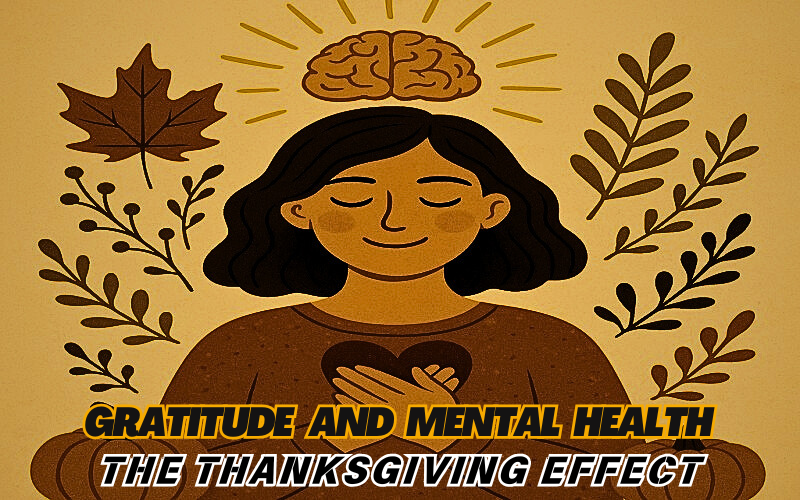
In a world that’s often fast-paced, demanding, and filled with uncertainties, it’s easy to focus on what we lack. We stress over missed opportunities, compare ourselves to others, and dwell on things we can’t control. But there’s one timeless practice that can shift our perspective, boost our well-being, and strengthen our emotional resilience: gratitude.
While Thanksgiving may be the one time each year we formally give thanks, the truth is that gratitude isn’t just a holiday tradition—it’s a powerful mental health tool. More than a warm sentiment or polite gesture, gratitude is a scientifically validated practice that can rewire our brains, foster deeper connections, and help us navigate life’s challenges with a more grounded and joyful heart.
This blog explores The Thanksgiving Effect—how a mindset of gratitude can impact mental health not just during the holidays, but all year long. You’ll discover the science behind it, its benefits, and practical ways to make gratitude a daily habit that nourishes your mind and soul.
What Is Gratitude, Really?
Gratitude is the acknowledgment and appreciation of the good things in life—whether they’re big or small. It can be directed toward people, circumstances, nature, or even abstract concepts like peace or hope. There are two key types of gratitude:- State Gratitude – A temporary feeling, such as saying “thank you” or feeling thankful after receiving help or a gift.
- Trait Gratitude – A consistent attitude of appreciation, where one actively looks for and acknowledges goodness in life.
The Neuroscience of Gratitude
Gratitude isn’t just feel-good fluff; it has concrete biological effects. Studies have shown that gratitude:- Activates the brain’s reward center. When we practice gratitude, we stimulate the ventromedial prefrontal cortex, associated with decision-making and feelings of pleasure.
- Releases dopamine and serotonin. These are neurotransmitters that help regulate mood and combat stress and anxiety.
- Reduces activity in the amygdala. This is the part of the brain responsible for fear and negative emotions.
- Encourages neuroplasticity. Over time, consistent gratitude practice can reshape the brain to focus more on positive experiences.
Mental Health Benefits of Gratitude
Here’s how cultivating gratitude improves emotional well-being, supported by research and clinical practice:- Reduces Stress and Anxiety
- A 2017 study in the journal Frontiers in Psychology found that gratitude can serve as a natural stress buffer.
- Practicing gratitude regularly has been linked to lower levels of generalized anxiety disorder.
- Alleviates Depression
- In a study published in Psychotherapy Research, participants who wrote gratitude letters reported significantly better mental health four weeks and even 12 weeks after the intervention.
- Gratitude encourages positive reframing, helping individuals see even difficult situations through a lens of resilience and growth.
- Improves Sleep
- A 2009 study found that people who spent 15 minutes writing down things they were grateful for before bed fell asleep faster and slept longer.
- Enhances Self-Esteem
- Gratitude reduces social comparison—a common source of low self-esteem and depression, especially in the age of social media.
- Boosts Resilience and Coping Ability
- Research on survivors of 9/11 and war veterans shows that those who practice gratitude experience fewer symptoms of PTSD and greater psychological resilience.
Gratitude and Relationships
Gratitude isn’t only good for your inner world—it also enriches your external relationships.- Increases empathy and reduces aggression. Grateful people are more likely to forgive and less likely to hold grudges or retaliate.
- Strengthens bonds. Expressing gratitude in relationships (whether romantic, familial, or platonic) leads to more trust, intimacy, and connection.
- Encourages reciprocity. When people feel appreciated, they’re more likely to “pay it forward,” creating a ripple effect of kindness and support.
Gratitude in Action: How to Practice Daily
Transforming gratitude from a seasonal practice into a lifestyle doesn’t require a lot of time—just intention. Here are some evidence-based methods to incorporate gratitude into everyday life:- Gratitude Journaling
- Be specific. Instead of “I’m grateful for my family,” write “I’m grateful for the way my sister listened to me today.”
- Reflect on why you’re grateful.
- Do it in the morning to set a positive tone or at night to calm your mind.
- Gratitude Letters (Even If You Don’t Send Them)
- Gratitude Jar or Board
- Mindful Gratitude Practice
- Say It Out Loud
Gratitude Isn’t Toxic Positivity
It’s important to acknowledge that practicing gratitude doesn’t mean denying pain, trauma, or struggle. Gratitude is not:- Ignoring negative feelings
- Pretending everything is okay
- Forcing yourself to be cheerful when you’re hurting
Gratitude During the Holidays—and Beyond
Thanksgiving reminds us to pause, reflect, and appreciate. But what if we carried that feeling through December, January, and all year long? Try this:- Start a “Thanksgiving All Year” challenge. Each week, write a gratitude note or share one at dinner.
- Create a family or group gratitude ritual. It can be as simple as a weekly check-in or group text.
- Practice gratitude in hard moments. When facing stress or disappointment, ask: “What lesson, support, or small grace can I find in this?”
The Ripple Effect: Gratitude Is Contagious
Studies show that expressing gratitude not only boosts the well-being of the giver—but also of the receiver. It strengthens communities, reduces loneliness, and fosters a sense of belonging. In workplaces, gratitude leads to better teamwork and morale. In families, it builds emotional safety. In society, it reminds us of our shared humanity. Just like the Thanksgiving table brings people together, gratitude connects us to something larger than ourselves.Closing Thoughts: The Gift of Thanks
Gratitude isn’t about having a perfect life. It’s about recognizing the beauty and meaning in the life we already have. It’s noticing the kindness of a stranger, the comfort of a warm meal, the breath in our lungs, the people who love us—even imperfectly. The Thanksgiving Effect reminds us of the power in those moments. But you don’t need a holiday to feel thankful. Gratitude is always within reach—waiting quietly to change the way you think, feel, and connect. So as you move forward into the season—or any season—consider this simple practice: Pause. Breathe. Reflect. Give thanks. Not because everything is good, but because some things are—and that’s enough to begin healing, growing, and thriving. Your Gratitude Challenge: Start today. Name one thing you’re thankful for. Tomorrow, name two. Watch what happens—not just in your life, but in your mind. Gratitude doesn’t cost a thing, but it changes everything.
Comments
Leave a comment Replying to
Comments are reviewed before they appear. Your email is never published.