
Folk and Traditional Performing Arts as Cultural Education
Explore how folk and traditional performing arts serve as powerful tools for cultural education, identity, and heritage preservation.
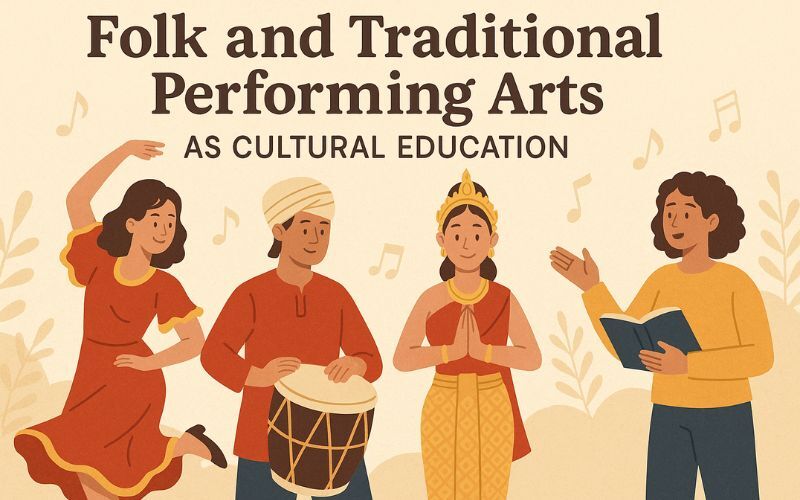
In today’s fast-paced, globalized world, the importance of cultural education cannot be overstated. While science and technology drive much of our development, the soul of a society lies in its traditions, stories, and values. One of the most compelling and immersive ways to transmit cultural heritage is through folk and traditional performing arts. These forms are not only creative expressions but also tools of education, preservation, and social cohesion.
From the rhythmic beat of tribal drums in Africa to the lyrical ballads of Indian villages, from Japanese Noh theatre to Mexican folkloric dances—folk and traditional arts embody the values, struggles, joys, and collective memories of communities. They serve as powerful instruments for educating younger generations and preserving cultural identity.
Understanding Folk and Traditional Performing Arts
Folk and traditional performing arts are artistic practices that have evolved within specific communities over time. Passed from generation to generation, these include folk music, dance, theatre, puppetry, storytelling, rituals, and oral traditions. Unlike classical or commercial arts, they are rooted in community experiences and often reflect local customs, languages, beliefs, and ecological contexts. In India, for instance, we find a rich array of folk traditions like the Baul songs of Bengal, Lavani dance of Maharashtra, Yakshagana theatre of Karnataka, and Bhavai of Gujarat. Each of these forms serves not only as entertainment but also as carriers of wisdom, moral teachings, and social values.Cultural Education Through the Performing Arts
1. Preserving Heritage and Identity
One of the primary roles of traditional arts is to preserve cultural heritage. In a world where modern media often homogenizes global culture, these traditional practices keep local identities alive. When children learn a folk dance or participate in a local drama, they gain an appreciation for their own history, environment, and community values. This sense of rootedness is essential for personal identity and national pride. For instance, a child who learns the stories of the Ramayana through traditional shadow puppetry not only enjoys a creative performance but also learns about ethics, mythology, and community values in a memorable and meaningful way.2. Intergenerational Learning
Folk arts are often passed down orally or through apprenticeships, where elders teach the younger generation. This intergenerational learning strengthens community bonds and ensures continuity of traditions. It also builds respect for older generations and fosters a collaborative spirit. In many indigenous communities, dance and music are integral to rites of passage. As young people participate in these rituals, they don't just learn artistic skills—they also learn their roles and responsibilities within the community.3. Holistic and Experiential Learning
Traditional performing arts engage multiple senses and learning styles. They incorporate movement, music, language, memory, and emotion, making them a holistic educational tool. Unlike rote classroom learning, these experiences promote creativity, emotional intelligence, teamwork, and critical thinking. Storytelling, for example, can help children develop listening skills, empathy, and imagination. Dance and music improve coordination, rhythm, and self-expression. Participating in theatre builds confidence, public speaking skills, and collaboration.4. Cultural Tolerance and Diversity
In multicultural societies, incorporating folk arts from various communities into the educational system fosters cultural tolerance and mutual respect. Learning about other cultures through their music, dance, or rituals encourages empathy and reduces prejudice. For example, when students in a classroom explore African drumming, Japanese Kabuki, and Indian Bihu dance, they begin to appreciate the richness of global heritage. This understanding helps combat ethnocentrism and promotes global citizenship.Integrating Folk Arts into Education
Integrating folk and traditional arts into modern educational systems can be both enriching and impactful. Here are a few ways schools and educators can adopt these art forms:- Workshops by Local Artists: Inviting folk musicians, dancers, and storytellers to conduct sessions in schools introduces children to living traditions.
- Curriculum Integration: Folk tales, songs, and history can be included in subjects like literature, history, and moral science.
- Field Trips: Visiting folk festivals, heritage museums, or live performances enhances experiential learning.
- School Events and Dramas: Encouraging students to perform local folk plays or dances in school functions promotes active participation.
- Cultural Exchange Programs: Engaging in cultural exchanges with schools from other regions or countries helps students explore diverse traditions.
Challenges in Preserving Folk Arts
Despite their importance, folk and traditional arts are facing numerous threats:- Urbanization and Migration: As people move to cities, they often lose connection with their rural roots and traditions.
- Lack of Documentation: Many traditions are not written down or recorded, making them vulnerable to extinction.
- Commercialization: Folk arts adapted for commercial tourism or mass entertainment often lose their original essence.
- Neglect in Formal Education: Schools often prioritize mainstream subjects, ignoring folk arts due to lack of awareness or resources.
The Role of Technology
Technology can play a vital role in preserving and sharing traditional arts. Digital archives, podcasts, video recordings, and interactive learning apps can make folk traditions accessible to young audiences. Virtual workshops and online platforms allow artists to reach wider audiences and teach globally. For example, platforms like YouTube now host thousands of traditional music and dance performances, making them available to students and researchers worldwide.Conclusion
Folk and traditional performing arts are more than cultural expressions—they are living libraries of our shared human experience. As tools for cultural education, they connect individuals to their roots, foster empathy, and nurture a holistic understanding of life.
Comments
Leave a comment Replying to
Comments are reviewed before they appear. Your email is never published.