
How to Build a Lifestyle That Respects People and the Planet
Learn how to build a lifestyle that values people and protects the planet through mindful choices, sustainability, and ethics.
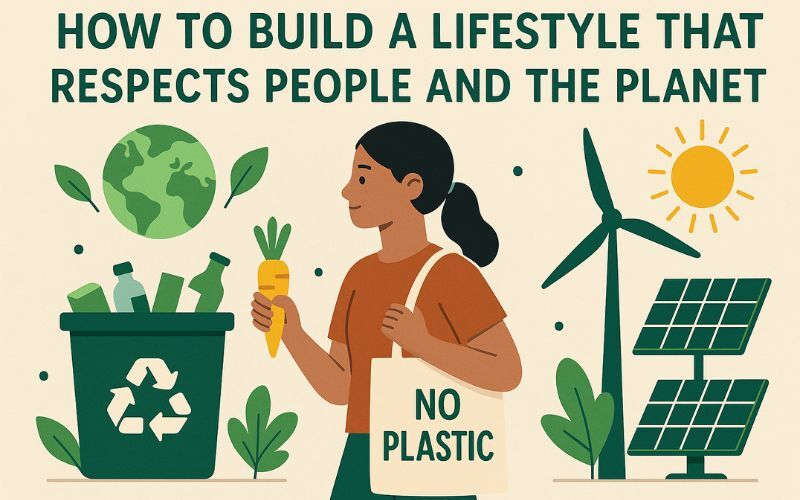
In today’s fast-paced, consumer-driven world, learning how to build a lifestyle that respects both people and the planet is more essential than ever. With climate change, social injustice, and unsustainable consumption affecting us all, these challenges are no longer future threats — they are current realities. The good news is that your everyday choices — from your diet and wardrobe to your travel habits and social interactions — can be powerful tools for change. Here's how to build a lifestyle that supports both humanity and the Earth, without giving up comfort or joy.
- Start With Awareness
- Adopt Mindful Consumption Habits
- Choose quality over quantity.
- Support ethical and fair-trade brands.
- Shop secondhand or participate in clothing swaps.
- Before buying, ask yourself: Do I really need this?
- Eat for the Earth and People
- Eat more plant-based meals — it reduces your carbon footprint and conserves resources.
- Buy local and seasonal produce to support local farmers and reduce transportation emissions.
- Choose fair-trade and organic products when possible.
- Reduce food waste by meal planning and storing food properly.
- Reduce, Reuse, Recycle — Rethink
- Carry reusable bags, bottles, and utensils.
- Avoid single-use plastics.
- Upcycle old furniture or clothing instead of throwing it away.
- Compost your kitchen waste to enrich soil instead of adding to landfills.
- Choose Sustainable Transportation
- Walk or bike for short trips.
- Use public transportation.
- Carpool when possible.
- If buying a car, consider an electric or hybrid model.
- Support Ethical and Local Businesses
- Shop at farmers’ markets and local shops.
- Research company ethics before purchasing.
- Avoid brands known for human rights violations or environmental damage.
- Promote businesses that practice transparency and sustainability.
- Engage With Your Community
- Join community gardens or clean-up events.
- Attend town meetings or support local environmental policies.
- Volunteer with organizations that protect both people and the planet.
- Share knowledge and encourage others to make small changes.
- Advocate and Use Your Voice
- Voting for leaders who support environmental and social equity.
- Signing petitions or joining climate marches.
- Contacting brands and asking about their practices.
- Using social media to raise awareness.
- Practice Gratitude and Simplicity
- Enjoy nature.
- Practice gratitude for your resources.
- Simplify your routines to reduce stress and waste.
- Focus on experiences rather than possessions.
Final Thoughts
Building a lifestyle that respects people and the planet is not about being perfect — it’s about being conscious and intentional. Every choice we make either contributes to the problem or becomes part of the solution. You don’t need to do everything at once. Start where you are, do what you can, and keep moving forward.
Comments
Leave a comment Replying to
Comments are reviewed before they appear. Your email is never published.