
Nutrition Basics Everyone Should Know: Eat Smart, Live Strong
Understand essential nutrition basics to make smarter food choices, boost your health, and live a stronger, more energized life.
In a world flooded with diet trends, superfoods, and health hacks, it’s easy to overlook the foundation of good health: understanding the basics of nutrition. Whether you're aiming for weight management, improved energy, or long-term disease prevention, knowing how to eat smart is the first step toward living strong. This guide breaks down the essential nutrition basics that everyone—regardless of age or lifestyle—should know.
- What Is Nutrition?
- Macronutrients: Carbohydrates, proteins, and fats.
- Micronutrients: Vitamins and minerals.
- Water: Often overlooked, but absolutely vital for nearly every body function.
- Macronutrients: The Big Three
Carbohydrates
Carbs are the body’s main source of energy. Found in fruits, vegetables, grains, and legumes, they fuel everything from brain function to physical activity. Smart tips:- Choose complex carbs like brown rice, quinoa, oats, and whole-grain bread.
- Limit simple sugars found in sodas, pastries, and processed snacks.
Proteins
Proteins help build and repair tissues. They’re essential for muscle health, immunity, and hormone production. Good sources include:- Lean meats, poultry, fish
- Eggs, dairy
- Legumes, tofu, nuts, and seeds (especially for a plant-based lifestyle)
Fats
Despite their bad reputation, healthy fats are crucial for brain health, hormone production, and absorbing fat-soluble vitamins (A, D, E, and K). Choose:- Unsaturated fats: olive oil, avocados, nuts, seeds
- Omega-3s: fatty fish (like salmon), flaxseeds, walnuts
- Trans fats and excessive saturated fats from fried foods and processed snacks.
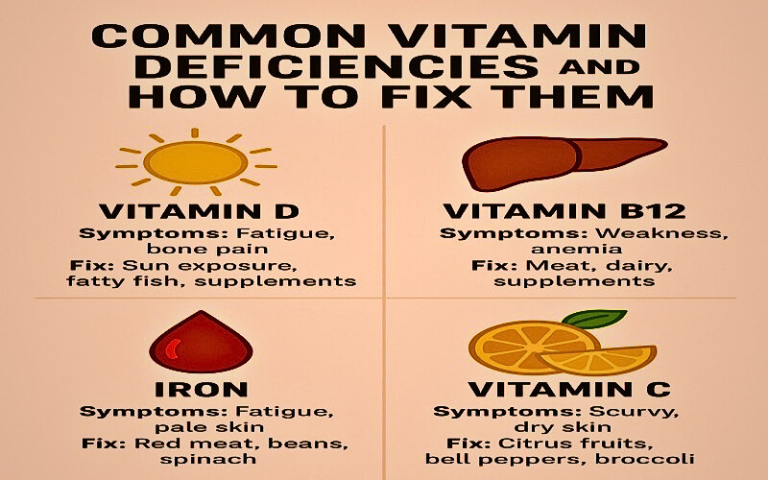
- Micronutrients: Small but Mighty
- Calcium & Vitamin D for bone health
- Iron for transporting oxygen in the blood
- Vitamin C for immune function and skin repair
- Hydration: The Silent Powerhouse
- Aim for at least 8 cups (2 liters) of water daily, more if you’re active or live in a hot climate.
- Watch out for sugary sodas and energy drinks; opt for herbal teas or infused water for variety.
- Portion Control and Balanced Meals
- ½ plate fruits and vegetables
- ¼ plate lean protein
- ¼ plate whole grains
- Add a small serving of healthy fats and hydrate with water
- Avoid the Pitfalls: Sugar, Salt, and Processed Foods
- Choose fresh or frozen produce over canned with added salt or syrup.
- Snack on nuts, fruits, or yogurt instead of chips or candy.
- Read labels and aim for foods with fewer than five recognizable ingredients.
- Mindful Eating and Lifestyle Habits
- Eat slowly and savor each bite.
- Listen to your body’s hunger and fullness cues.
- Avoid distractions like screens during meals.
- Meal prep to support a healthier daily routine.
- Don’t skip meals—especially breakfast.
- Special Considerations: Every Body Is Different
- Children and teens need more calcium and protein for growth.
- Older adults may need more vitamin B12 and fiber.
- Athletes need more carbs and hydration for endurance and recovery.
- Supplements: Helpful or Hype?
- Focus on food first.
- Use supplements as a backup, not a foundation.
- Choose reputable brands with third-party testing.
- Nutrition Is a Journey, Not a Destination
Final Thoughts: Eat Smart, Live Strong
Understanding nutrition basics empowers you to make informed choices. Instead of chasing the next diet fad, focus on balanced meals, whole foods, hydration, and a mindful approach to eating. These simple yet powerful habits can help you build a healthier lifestyle that lasts a lifetime.
Comments
Leave a comment Replying to
Comments are reviewed before they appear. Your email is never published.