
How Music Impacts Brain Function and Mood
Explore how music impacts brain function and mood, enhancing focus, relaxation, and emotional well-being through sound.
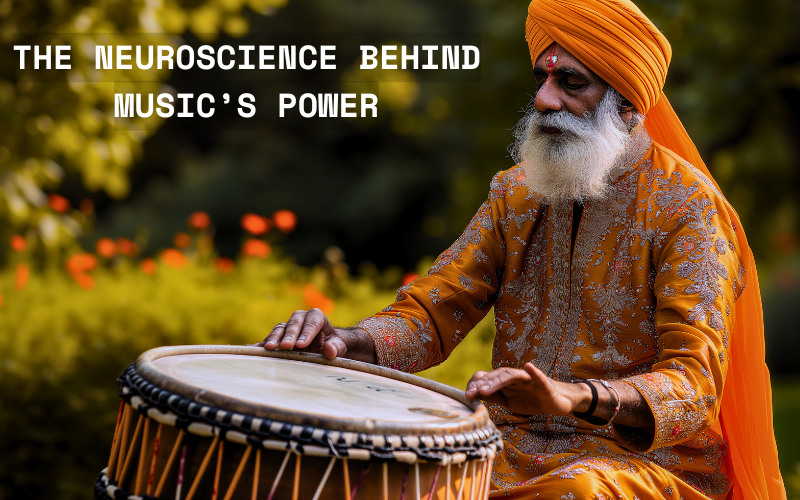
Music is a universal language that transcends barriers, cultures, and time. Whether it's a lullaby, a symphony, or a rock anthem, music has the power to move us emotionally, mentally, and even physically. But have you ever wondered how music impacts the brain? How can a simple tune make us feel joy, nostalgia, sadness, or peace?
In recent decades, neuroscientists and psychologists have been delving deep into the relationship between music and the brain. Their findings reveal that music does more than entertain—it shapes brain function, influences our emotional states, enhances cognitive abilities, and even heals.
Let’s explore how music affects the brain and mood in profound, scientifically backed ways.
Music and Brain Activation: A Full-Brain Experience
Unlike many tasks that are confined to a specific region, listening to music activates multiple areas of the brain simultaneously. These include:
- Auditory cortex: Processes the sound.
- Prefrontal cortex: Analyzes and interprets patterns and structures.
- Motor cortex: Engaged when we tap our feet or dance.
- Amygdala: Processes emotions like fear, pleasure, and sadness.
- Hippocampus: Involved in memory and emotional associations.
- Nucleus accumbens and ventral tegmental area (VTA): Responsible for pleasure and reward.
Neurochemical Reactions to Music
Music triggers the release of several key brain chemicals:- Dopamine – The “Feel-Good” Chemical
- Serotonin – Mood Regulator
- Oxytocin – The “Love Hormone”
- Cortisol – Stress Hormone Reduction
The Emotional Impact of Music
Mood Induction
Music can quickly alter our emotional state. Upbeat music may energize and uplift, while slow, minor-key music may evoke melancholy or introspection. This is often used intentionally in:- Therapy (music therapy sessions)
- Movies (to enhance emotional impact)
- Retail environments (to influence customer behavior)
Empathy and Emotional Processing
Listening to emotionally expressive music can increase empathy by simulating other people’s emotional experiences. This is why we sometimes cry when hearing a moving piece—we’re emotionally “mirroring” the mood of the music.Emotional Memory Retrieval
Music is closely linked to memory, particularly emotional memories. Hearing a certain song can instantly bring back a vivid recollection of a person, place, or moment. This is often used therapeutically with Alzheimer’s patients to retrieve lost memories.Music and Cognitive Function
Music does more than evoke feelings—it enhances brain performance.Boosting Attention and Focus
Background music, especially instrumental or classical music, can improve focus during cognitive tasks. Known as the "Mozart Effect", early studies suggested that listening to Mozart temporarily enhances spatial-temporal reasoning. While this effect has been debated, it’s clear that:- Low-tempo music can improve concentration
- Repetitive, lyric-free tracks aid in studying and reading
Enhancing Learning and Memory
Music can aid memorization through rhythm and rhyme (think ABC songs). Musical training is linked to:- Improved verbal memory
- Better executive functioning
- Increased IQ scores in children
Creativity and Problem Solving
Improvisational music or exposure to unfamiliar genres may activate the default mode network, a part of the brain associated with creativity and divergent thinking.Music and Mental Health
Music is increasingly being recognized as a therapeutic tool in clinical psychology and psychiatry.Music Therapy
Professional music therapy uses music to achieve specific therapeutic goals such as reducing anxiety, improving mood, enhancing communication, and managing pain. Applications include:- PTSD and trauma recovery
- Autism spectrum therapy
- Depression and mood disorders
- Palliative care and hospice settings
Music as Self-Therapy
Even outside clinical settings, people use music for self-regulation. Playlists curated for relaxation, motivation, or sadness are common self-care tools. Music gives people a safe outlet to express and explore emotions that are hard to verbalize.Music and Brain Plasticity
Musicians’ brains are structured and function differently from non-musicians’. Years of training result in:- Increased gray matter volume in auditory, motor, and visuospatial regions
- Enhanced connectivity between hemispheres
- Stronger working memory and language skills
Music Genres and Their Unique Effects
Different genres can impact the brain and mood in unique ways:- Classical: Promotes relaxation, reduces anxiety, and boosts concentration.
- Jazz: Enhances creativity and may improve mood due to its improvisational nature.
- Pop: Can uplift and energize due to its catchy rhythms and optimistic lyrics.
- Rock/Metal: Surprisingly, can be cathartic and help listeners process anger or frustration.
- Electronic/Lo-fi: Often used as background music for studying or working.
- Religious/Spiritual music: Enhances feelings of peace, connectedness, and transcendence.
Music in Daily Life: Practical Uses
Integrating music intentionally into your routine can have powerful mental benefits:Morning Routine
Upbeat music can energize you and increase motivation.Study Sessions
Instrumental or ambient music may boost focus and retention.Exercise
Fast-paced tracks improve physical performance and reduce perceived effort.Sleep
Soft, slow music promotes relaxation and helps improve sleep quality.Coping with Emotions
Creating personal playlists for sadness, anxiety, or joy can help regulate emotions more effectively than words alone.What Science Still Wants to Discover
Though we've made major strides in understanding music’s effects on the brain, some mysteries remain:- Why do certain musical structures universally evoke emotions across cultures?
- How does musical preference form neurologically?
- Can personalized music treatments be developed for mental illnesses?
- What is the neurological basis of musical "chills" or frisson?
Conclusion: Music as Medicine for the Mind
Music is more than art or entertainment—it's a form of neural nourishment. Whether you're a listener, performer, or creator, music can enhance your emotional well-being, cognitive health, and social bonds. From stress relief to memory enhancement, the benefits are both broad and deeply personal. As neuroscientist Daniel Levitin famously said, "Music is the most direct path to the soul and the brain." So next time you put on your favorite song, remember—you’re not just enjoying a tune; you’re engaging a powerful force for brain function, emotional health, and inner balance.


Comments
Leave a comment Replying to
Comments are reviewed before they appear. Your email is never published.