


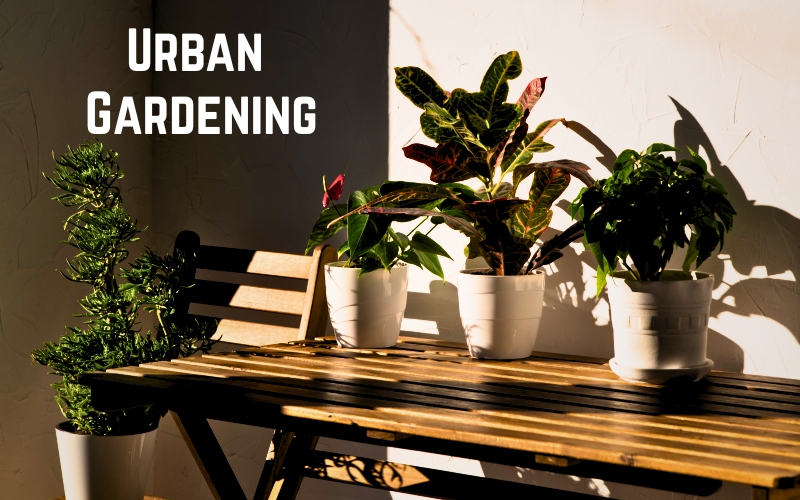
In the age of concrete jungles and vertical skylines, a quiet revolution is unfolding—urban gardening. As cities grow denser and environmental concerns escalate, the idea of growing food in the heart of urban environments is not only appealing but increasingly necessary. Urban gardening in 2025 is more than just a hobby; it’s a sustainable solution that intersects food security, mental well-being, and ecological responsibility.
🌱 What is Urban Gardening?
Urban gardening refers to the practice of cultivating plants—especially food crops—within city limits. It includes a wide range of methods such as:
- Rooftop gardens
- Balcony and container gardening
- Vertical gardening
- Community gardens
- Hydroponics and aquaponics
Whether it’s a few pots of herbs on a balcony or an expansive rooftop farm, urban gardening empowers individuals and communities to participate in local food production.
🏙️ Why Urban Gardening Matters in 2025
As we face challenges like climate change, overpopulation, and shrinking arable land, urban gardening addresses several pressing global issues:
- Food Security
Urban agriculture contributes to local food systems by:
- Reducing dependence on long-distance supply chains
- Providing fresh, nutrient-rich food in food deserts
- Lowering the carbon footprint of food transportation
In cities like Mumbai and New York, urban farms now produce a portion of the city’s fresh vegetables, ensuring resilience during supply chain disruptions.
- Environmental Benefits
Urban gardens contribute to greener, cleaner cities by:
- Reducing air pollution through carbon dioxide absorption
- Decreasing urban heat islands via rooftop vegetation
- Improving stormwater management by reducing runoff
- Encouraging biodiversity with pollinator-friendly plants
- Mental and Physical Health
Gardening is therapeutic. In 2025, as mental health awareness grows, urban gardening serves as a natural antidote to stress and anxiety. Benefits include:
- Reduced stress hormones (like cortisol)
- Improved mood and concentration
- Moderate physical exercise
🛠️ Techniques and Technologies Powering Urban Gardening in 2025
Today’s urban gardens are no longer just soil and seeds. They’re powered by smart technologies and innovative practices:
🔹 Vertical Farming
Maximizes limited space using stacked layers, often integrated with LED grow lights and automated watering systems. Ideal for apartments and rooftops.
🔹 Hydroponics & Aquaponics
- Hydroponics: Soil-free growing using nutrient-rich water
- Aquaponics: Combines fish farming with hydroponics, where fish waste fertilizes plants
These methods use up to 90% less water than traditional farming, crucial for water-scarce urban areas.
🔹 Smart Gardening Tools
- IoT-enabled sensors monitor soil moisture and pH
- Mobile apps track plant health, watering schedules, and even pest threats
- AI-assisted planting systems recommend optimal growing conditions
🧑🤝🧑 The Rise of Community Gardens
One of the most powerful aspects of urban gardening is its ability to build community:
Benefits of Community Gardens:
- Promote social cohesion across age, class, and cultural lines
- Educate youth about sustainable living and nutrition
- Create safe, green communal spaces in urban neighborhoods
In 2025, cities are integrating these gardens into urban planning frameworks. Governments in countries like Singapore and Germany offer grants and land to support community-led garden projects.
🌍 Sustainability and Urban Policy Support
Urban gardening aligns with several UN Sustainable Development Goals, including:
- Goal 2: Zero Hunger
- Goal 11: Sustainable Cities and Communities
- Goal 13: Climate Action
Policy Examples in 2025:
- Tokyo offers tax rebates for rooftop gardens
- Toronto mandates green roofs on new buildings
- Bangalore includes urban gardens in municipal planning schemes
These policy shifts demonstrate that urban agriculture is no longer fringe—it’s mainstream.
🧠 Psychological and Lifestyle Benefits
Urban gardening improves not just the environment, but personal well-being. In the fast-paced world of 2025, green spaces offer an escape and a chance to reconnect with nature.
Mental and Emotional Benefits:
- Reduced depression and anxiety
- Increased mindfulness and presence
- Greater sense of accomplishment and purpose
Lifestyle Advantages:
- Encourages healthier eating habits
- Promotes time outdoors and away from screens
- Inspires creative and educational activities for families and children
🛑 Challenges to Urban Gardening
Despite its many benefits, urban gardening faces some hurdles:
Common Challenges:
- Limited space in densely populated areas
- Initial costs of setting up advanced systems
- Lack of gardening knowledge among city dwellers
- Zoning regulations or lack of access to shared land
Solutions Emerging in 2025:
- Modular, stackable garden kits for small apartments
- Workshops, community training programs, and online platforms
- Policy reforms easing zoning laws for urban agriculture
🔮 The Future of Urban Gardening
In 2025, urban gardening is not just surviving—it’s thriving. With the fusion of technology, sustainability, and policy support, the future holds even more promise:
What’s Next?
- AI-designed gardens that adapt to real-time weather and crop needs
- Blockchain-based food tracing from urban garden to table
- Crowdfunded urban farms enabling food cooperatives in low-income areas
- AR gardening apps that guide users step-by-step with virtual overlays
The next phase of urban gardening is about accessibility, innovation, and resilience. It’s about transforming cities from gray to green—one rooftop, balcony, and community plot at a time.
🌟 Final Thoughts
Urban gardening in 2025 is a dynamic intersection of sustainability, community, and personal well-being. Whether you’re an apartment dweller with a few potted herbs or a city planner advocating for rooftop farms, your efforts contribute to a broader movement of ecological resilience and urban renewal.
As the world grows more urbanized, our gardens grow more vital. In cultivating plants, we cultivate healthier lives, stronger communities, and a greener future.