
Nutrition & Diet in 2025: How to Eat Well Without the Stress
Discover how tech, personalized plans, and mindful eating make stress-free healthy nutrition a reality in 2025.
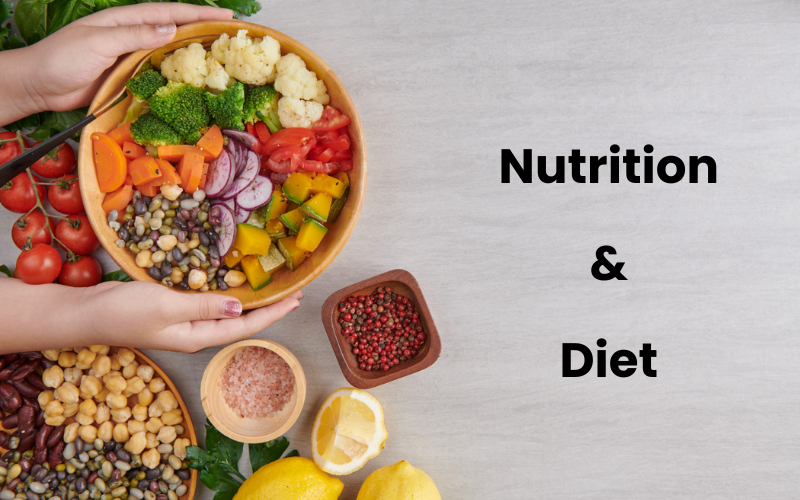
In today’s fast-paced world, eating well often feels like a luxury or a confusing puzzle. With fad diets, celebrity meal plans, and ever-changing trends flooding your feed, it's easy to wonder: What does healthy eating really mean in 2025? The good news is that nutrition doesn't have to be restrictive or complicated. With a few mindful tweaks, anyone can create a sustainable, balanced diet that fuels energy, improves mood, and supports long-term health.
In this blog, we’ll break down practical nutrition strategies that work, debunk popular myths, and show you how to eat better without spending a fortune or counting every calorie.
These small changes add up quickly and help reduce sugar, improve digestion, and boost nutrient intake.
🍎 The Fundamentals of Good Nutrition
Let’s start with the basics. A healthy diet is one that:- Provides essential nutrients: vitamins, minerals, fiber, protein, healthy fats, and complex carbs.
- Supports your individual goals: whether that’s muscle gain, weight loss, energy, or just feeling better.
- Is sustainable: you can stick to it long term without feeling deprived.
- ½ plate of vegetables or fruit
- ¼ plate of protein (animal or plant-based)
- ¼ plate of whole grains or complex carbs
- A small amount of healthy fat (like olive oil, avocado, or nuts)
🚫 Myth-Busting: Common Diet Misconceptions
- Carbs Are Bad
- Whole grains (brown rice, quinoa, oats)
- Starchy vegetables (sweet potatoes, squash)
- Legumes (lentils, chickpeas)
- You Need to Count Every Calorie
- Fat Makes You Fat
🥑 2025 Food Trends Worth Trying
As we embrace more conscious and sustainable lifestyles, here are some nutrition trends gaining momentum that are actually beneficial:✅ Plant-Forward Eating
More people are shifting to flexitarian diets—mostly plant-based, but not strictly vegetarian. This boosts fiber intake, reduces inflammation, and supports gut health. Try:- Swapping one meat-based meal per day with a plant-protein alternative like lentils or tofu.
✅ Personalized Nutrition
With affordable access to blood tests, food sensitivity kits, and DNA-based diets, tailored eating is becoming the norm. Understanding how your body responds to gluten, dairy, or caffeine helps you optimize digestion and mood.✅ Tech-Assisted Meal Planning
AI-powered apps now help plan meals, reduce food waste, and ensure nutritional balance. Some even integrate with wearables to match meals with your energy expenditure.💡 Smart Food Swaps You Can Make Today
Healthy eating doesn’t mean giving up flavor or enjoyment. Try these realistic swaps:| Instead of | Try This |
| Sugary cereal | Overnight oats with berries |
| Soda or juice | Sparkling water with lemon |
| White rice | Cauliflower rice or quinoa |
| Chips | Roasted chickpeas or air-popped popcorn |
| Ice cream | Greek yogurt with honey and nuts |
🛒 Eating Healthy on a Budget
It’s a myth that you need to spend more to eat well. Here are tips to keep costs low:- Buy in bulk: Items like oats, lentils, and brown rice are inexpensive and versatile.
- Frozen is fine: Frozen vegetables retain nutrients and often cost less than fresh.
- Meal prep: Cook once, eat multiple times. Prepare meals on Sunday to save time and avoid unhealthy takeout midweek.
- Seasonal shopping: Buy produce that’s in season—it’s fresher, tastier, and cheaper.
🥤 The Importance of Hydration
Nutrition isn’t just about what you eat—what you drink matters too. Staying hydrated improves focus, digestion, and metabolism. Here’s how to stay on top of your hydration:- Drink 6–8 glasses of water a day
- Add cucumber, lemon, or mint for flavor
- Reduce sugary drinks and caffeine
- Start your day with a glass of water before coffee
🧠 How Nutrition Affects Mental Health
Emerging research shows a clear connection between gut health and brain function. Nutrients like omega-3 fatty acids, B-vitamins, magnesium, and probiotics support emotional balance and cognitive performance. Boost your mood with:- Fatty fish (salmon, mackerel)
- Leafy greens (spinach, kale)
- Fermented foods (yogurt, kimchi, sauerkraut)
- Dark chocolate (in moderation!)
📅 A Sample Day of Eating Well
Here’s what a simple, balanced day of eating might look like:- Breakfast: Overnight oats with chia seeds, banana, and almond butter
- Snack: Handful of almonds + apple
- Lunch: Grilled chicken or tofu salad with olive oil dressing, whole-grain toast
- Snack: Greek yogurt with berries
- Dinner: Baked salmon, quinoa, and roasted vegetables
- Dessert (if desired): A few squares of dark chocolate or a homemade smoothie
🔄 Consistency > Perfection
The key to better nutrition isn’t restriction—it’s consistency. It’s okay to enjoy pizza on a Friday night or a slice of cake on your birthday. What matters is what you do most of the time, not every single time.✨ Final Thoughts
Healthy eating in 2025 is all about balance, personalization, and simplicity. It’s not about diets or deprivation—it’s about nourishing your body in a way that feels good, supports your goals, and fits your lifestyle. You don’t have to overhaul everything at once. Start small:- Add more veggies to your meals
- Drink more water
- Read ingredient labels
- Cook more at home
Comments
Leave a comment Replying to
Comments are reviewed before they appear. Your email is never published.