
The Effects of Screen Time on Mental Health
Excessive screen time can impact mental health—causing stress, sleep issues, and anxiety. Learn how to find a healthy balance.
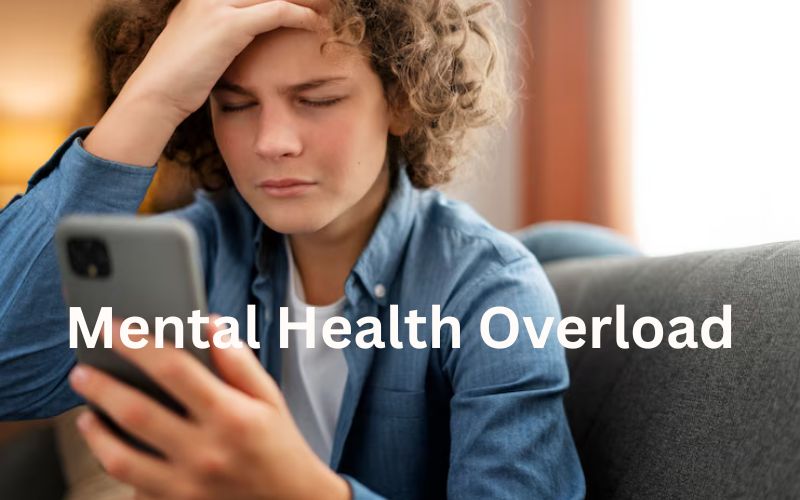
In the 21st century, digital screens have become an integral part of daily life. From smartphones and tablets to laptops and televisions, screens surround us at work, school, and home. While technology has transformed how we communicate, learn, and entertain ourselves, the rising amount of screen time has sparked concerns about its impact on our mental health.
Recent studies indicate that the average adult spends over 7 hours daily on screens, with teenagers often exceeding this amount. With such extensive use, it’s important to understand how prolonged screen exposure affects our emotional and psychological well-being.
Understanding the Relationship Between Screen Time and Mental Health
Research over the years has consistently found connections between heavy screen use and various mental health challenges. People who spend excessive time on digital devices report higher instances of anxiety, depression, stress, and feelings of loneliness. However, it’s crucial to note that screen time itself isn’t inherently harmful—rather, the quantity, quality, and context of use make a significant difference. Passive consumption of content, constant multitasking, or unhealthy social media habits tend to contribute more to mental strain than purposeful, balanced screen engagement.How Screens Impact Attention and Emotional Well-being
The nature of digital interaction often requires rapid switching between apps, notifications, and tasks. This constant interruption can degrade our ability to focus and maintain sustained attention on tasks. Over time, this fragmented attention can lead to feelings of mental fatigue and difficulty concentrating. Additionally, the overstimulation from an endless stream of information and multimedia content can overwhelm our emotional resources, increasing anxiety levels and reducing overall mood stability. This mental clutter can make it challenging to unwind or engage in reflective, creative thinking.The Social Media Paradox: Connection vs. Comparison
Social media platforms are designed to keep users engaged by providing constant updates and social feedback. While they enable us to stay connected with friends, family, and communities across distances, they also encourage an unrelenting cycle of comparison. Users typically present the best versions of their lives on social media—carefully curated photos, career highlights, and social events. This selective sharing can foster unrealistic expectations and feelings of inadequacy among viewers. Particularly for teenagers and young adults, who are in formative stages of identity and self-esteem development, social media exposure is linked to higher risks of low self-worth, anxiety, depression, and loneliness. The habit of comparing one’s real life to others’ highlight reels can lead to dissatisfaction and negative self-image.The Impact of Screens on Sleep Quality and Mental Health
One of the most significant ways screen time affects mental health is through disruption of sleep. Screens, especially handheld devices like smartphones and tablets, emit blue light which suppresses the production of melatonin, the hormone responsible for regulating our sleep-wake cycle. Using devices late into the evening can confuse our bodies into staying alert when it’s time to rest. Poor sleep quality and insufficient rest are strongly linked with increased risk of depression, anxiety, mood disorders, and cognitive impairments. Chronic sleep deprivation caused by late-night screen use can weaken emotional regulation and reduce resilience to stress, making individuals more vulnerable to mental health problems.The Stress of Constant Connectivity
Modern technology enables us to be connected 24/7. While this can be convenient, it also generates constant pressure to respond to messages, emails, and notifications immediately. This “always on” culture can lead to chronic stress and anxiety. Many people experience what is known as “phantom phone vibrations”—the sensation that their phone is buzzing even when it isn’t—demonstrating the extent to which digital alerts have conditioned our nervous systems to remain on edge. Furthermore, the fear of missing out (FOMO) keeps users checking their devices compulsively, even during inappropriate moments like meals or social gatherings. This can erode present-moment awareness and reduce the ability to relax and recharge mentally.Children, Teens, and Screen Time: Special Considerations
Young people are among the most vulnerable to the mental health impacts of excessive screen exposure. Their brains and social skills are still developing, making them more sensitive to the negative influences of digital media. Excessive screen time in children and adolescents has been associated with:- Delayed social skill development due to reduced face-to-face interaction
- Attention problems and hyperactivity
- Lower academic achievement
- Decreased physical activity, which also affects mental well-being
Can Screen Time Be Healthy?
It’s important to remember that screens themselves are not the enemy. When used intentionally, technology offers incredible benefits for learning, creativity, and maintaining social bonds. Positive screen time includes:- Educational content such as documentaries, online courses, and skill-building apps
- Video calls with friends and family, especially when distance separates loved ones
- Therapeutic tools such as mental health apps providing mindfulness exercises, counseling, or mood tracking
- Creative expression through digital art, music production, and writing platforms
Practical Strategies to Manage Screen Time and Protect Mental Health
To maintain a healthy balance and safeguard mental well-being, consider adopting these strategies:- Set Screen Time Limits: Use device settings or third-party apps to monitor and restrict time spent on certain platforms.
- Designate Tech-Free Zones: Keep bedrooms, dining areas, and social spaces free from devices to encourage real-world connection.
- Take Regular Breaks: Apply the 20-20-20 rule — every 20 minutes, look at something 20 feet away for 20 seconds to reduce eye strain and mental fatigue.
- Turn Off Non-Essential Notifications: Minimizing interruptions lowers stress and improves focus.
- Prioritize Offline Activities: Engage in exercise, hobbies, reading, and social interactions that don’t involve screens.
- Use “Do Not Disturb” Modes: Especially during sleep hours or focused work to avoid distractions.
- Create a Consistent Sleep Routine: Avoid screens at least one hour before bedtime to improve sleep quality.
- Be Intentional: Reflect on your screen use. Ask yourself if it serves a meaningful purpose or if it’s simply a habit.
Final Thoughts
Screen time is an unavoidable feature of modern life, but how we interact with our digital devices has profound effects on mental health. Excessive or poorly managed screen use can contribute to anxiety, depression, stress, poor sleep, and social isolation. On the other hand, mindful use of technology can enhance learning, creativity, and social connection. The goal is to foster a balanced relationship with screens—using them as tools that support well-being rather than detract from it. By setting healthy boundaries, prioritizing offline experiences, and being mindful about our digital habits, we can protect our mental health in an increasingly connected world.

Comments
Leave a comment Replying to
Comments are reviewed before they appear. Your email is never published.