
How Plant-Based Diets Are Evolving in 2025
Plant-based diets in 2025 are smarter, tastier, and more sustainable—driven by innovation, health trends, and conscious eating.

Over the past decade, plant-based diets have shifted from niche lifestyles to mainstream nutrition movements. From celebrity endorsements to fast food chains adding plant-powered options, it’s clear that eating less meat and more plants isn’t just a trend—it’s a transformation. But in 2025, with new technologies, changing health concerns, and evolving food culture, plant-based diets are undergoing significant changes.
So, how exactly are plant-based diets evolving in 2025—and are they still worth your attention? Let’s take a closer look at the innovations, motivations, and challenges shaping the future of plant-based living.
A Quick Look Back: The Rise of Plant-Based Eating
In the early 2020s, plant-based diets surged in popularity thanks to growing awareness about climate change, animal welfare, and personal health. Brands like Beyond Meat and Impossible Foods introduced meat alternatives that mimicked animal protein more closely than ever. People weren’t just going vegan—they were becoming “flexitarians,” reducing meat intake while embracing more plant-forward meals. Now, in 2025, the landscape is more sophisticated, diverse, and data-driven than ever before.How Plant-Based Diets Are Changing in 2025
- Tech-Driven Nutrition: Personalized Plant-Based Plans
- A New Wave of Plant-Based Proteins
- Fava bean and hemp-based meat alternatives
- Mycelium protein (a fungi-based product high in nutrients and low in processing)
- Fermented protein blends that boost gut health
- Insect-free lab-grown proteins with zero animal harm
- Mainstream Adoption by Restaurants and Schools
- Environmentally Conscious Choices
- Plant-Based Doesn’t Mean Processed Anymore
- Whole grains
- Legumes
- Vegetables
- Nuts and seeds
- Fermented foods
Is It Still Worth Going Plant-Based?
The short answer: Yes—but with more intention than ever.Health Benefits (Backed by Research)
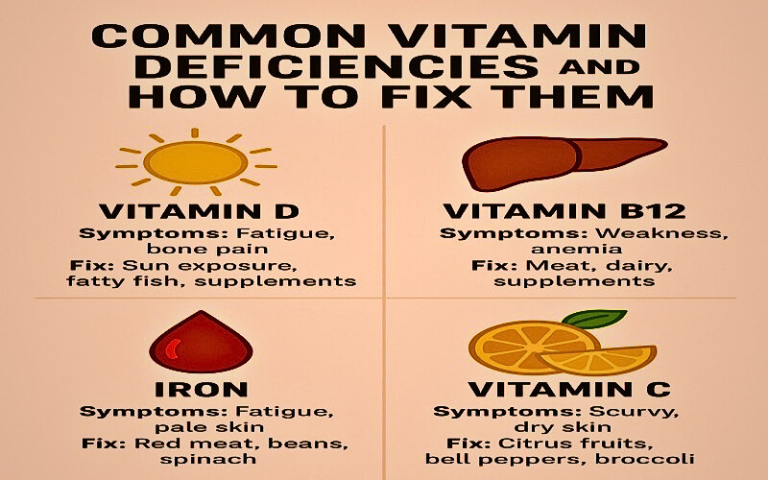
New long-term studies in 2025 show that well-planned plant-based diets are linked to reduced risk of heart disease, Type 2 diabetes, obesity, and even cognitive decline. However, nutritionists stress the importance of balance—especially regarding protein, calcium, and certain vitamins.Mental Wellbeing and Energy
Many people report better mood, digestion, and energy levels on whole-food plant-based diets, especially when ultra-processed foods are minimized. Diet diversity is key—eating a rainbow of plants, herbs, and spices keeps your gut microbiome happy.Sustainability Matters
If you're concerned about the environment, a plant-based lifestyle remains one of the most impactful personal choices you can make. New food tech ensures you don’t have to sacrifice taste or nutrition.Challenges to Consider
Plant-based diets aren’t a magic bullet, and they’re not for everyone in the same way. Some challenges include:- Nutritional planning: It takes effort to ensure you're not missing essential nutrients.
- Cost: Whole plant foods can be affordable, but high-tech meat substitutes are still pricey.
- Cultural disconnect: In some regions, traditional diets are meat-heavy, and plant-based options are limited.
The Future of Food Is Flexible
In 2025, being plant-based doesn’t have to be all-or-nothing. Many people are embracing flexibility—what some call "plant-forward" or "climatarian" eating. The goal isn't perfection; it's progress. Whether you're vegan, vegetarian, flexitarian, or simply curious, the evolution of plant-based diets gives you more tools and options than ever to eat in a way that supports your health and the planet. Final Thought: How plant-based diets are evolving in 2025 proves one thing—this isn’t a fad, it’s a food revolution. And it’s still very much worth being a part of.
Comments
Leave a comment Replying to
Comments are reviewed before they appear. Your email is never published.